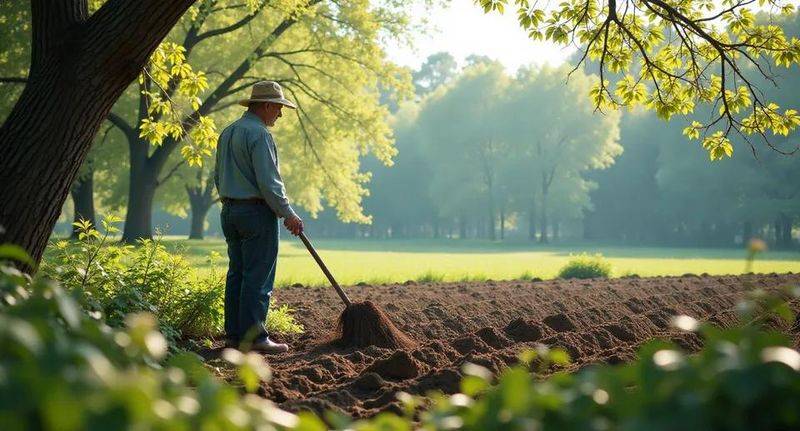
The issue of children left behind is one of the social phenomena that has received much attention in chinese society in recent years. With the rapid growth of the economy and the process of urbanization, an increasing number of rural families have chosen to work outside their homes to improve their living conditions and to keep their children in their ancestral homes. While this phenomenon has somewhat eased family economic pressure, it has also brought with it many social, educational and psychological problems. This paper will analyse the current situation of children left behind, problems, national attitudes and future policy directions。
Status and problems of children left behind
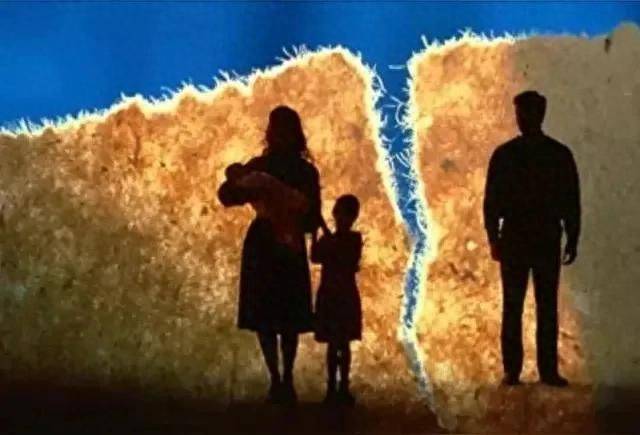
Children left behind are mainly minors whose parents work outside the home and whose children are cared for by their ancestors or other relatives. According to statistics, by 2023, the number of children left behind exceeded 10 million, representing a large proportion of the total number of minors in rural areas. Because of the long absence of parents, children left behind face many challenges in their lives, learning and mental health。
First, the problem of living habits and behaviour is prominent. Some of the children left behind lack day-to-day parental supervision at home and are prone to recreational activities such as playing games, shopping, eating and drinking, leading to reduced academic achievement and behavioural biases. At the same time, there is a lack of family warmth and parental care, and mental health problems are becoming more acute, manifested in isolation, anxiety, depression, etc。
Secondly, education is also becoming increasingly prominent. Some of the children left behind did not achieve the desired results and even dropped out of school because of the lack of family guidance. Teachers have repeatedly stated that the lack of motivation and motivation of the children left behind is a major reason for the lack of family education。
Thirdly, there are social and livelihood security risks. Children left behind may be exposed to risks such as security incidents, bullying and unlawful assault in the absence of supervision. In some areas, children left behind also have social problems such as early marriage, early childbearing and school dropout。
Ii. State attitudes and responses
The state attaches great importance to the issue of children left behind and has adopted a series of policy measures to guarantee the rights and well-being of children left behind。
Legal and regulatory guarantees: the 2006 law on the protection of minors explicitly provides for the protection of the rights and interests of minors, with special emphasis on the care and protection of children left behind. In 2020, the revised law on the protection of minors further strengthened family, school and social responsibilities. Educational support: the state promotes the balanced development of compulsory education in rural areas, improves the conditions of schooling in rural schools, increases the treatment and training of rural teachers and ensures that children left behind have access to good education. At the same time, distance education and online classrooms have been promoted to provide more learning resources for children in remote areas. The system of care services: establishment of a system of care and protection for children left behind in rural areas, establishment of care centres, counselling services, psychological counselling and legal assistance for children left behind. In many places, “homes for children left behind” have been set up to provide learning, recreation and psychological counselling. Family and community responsibilities: encourage family members, especially ancestor, to increase their child-friendly education and strengthen community guardianship responsibilities. Promotion of volunteer services, establishment of “parent schools” or “guardian training” projects to raise awareness of the responsibilities of guardians. Participation of social forces: encourage the involvement of enterprises, social organizations and volunteers in the support of children left behind, and provide financial assistance, psychological support and cultural entertainment。

Iii. Policy directions and perspectives for the future
In the future, the state will continue to deepen the care and protection of the children left behind and take a concerted approach to ensure that the children left behind are able to grow up healthy。
Improving the legal system: accelerating the development and implementation of laws and regulations that specifically target children left behind, clarifying the responsibilities of all levels of government, schools and society, and strengthening law enforcement. Promoting equity in rural education: increasing rural education investment, improving rural school infrastructure, upgrading teachers ' treatment and professionalism and ensuring that rural children have the same educational resources as urban ones. Strengthening the function of the family: promoting the rule of law in family education, promoting the return of parents to start up their businesses or employment and reducing the number of children left behind. At the same time, the capacity of guardians, such as grandparents, is supported to enhance the educational and care capacities of families. Development of smart education and distance services: use of modern information technology to promote smart schools and distance education to compensate for the lack of resources for education in rural areas. Building a mental health service system: a network of mental health services covering rural areas to provide professional counselling and counselling for children left behind. The system of social support has been improved: social organizations and volunteers have been encouraged to reach out to rural areas, special activities have been carried out to care for children left behind, and a multi-sectoral system of government guidance, social participation and family cooperation has been established。
Concluding remarks
The issue of children left behind had to do with the future of the country and the stability and harmony of society. Despite current challenges, the state is constantly improving its policies, strengthening legal safeguards, promoting equity in education, emphasizing the responsibility of the family and society, and working to create a safe, warm and healthy environment for children left behind. In the future, with the concerted efforts of all sectors of society, it is believed that the living conditions of the children left behind will improve significantly, and that they will be better able to enjoy equitable and quality education, grow up healthy and happy and contribute to the prosperity and development of the country。