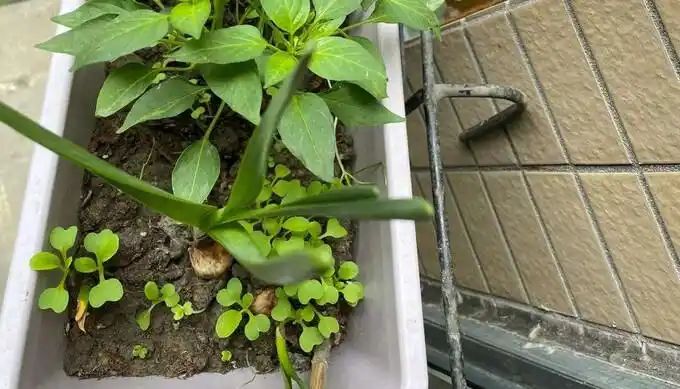
In the upper examination geography, “suspended vegetable” is a typical case of agricultural location analysis, often involving agricultural location factors, modern agricultural development, regional economic characteristics and sustainable development。
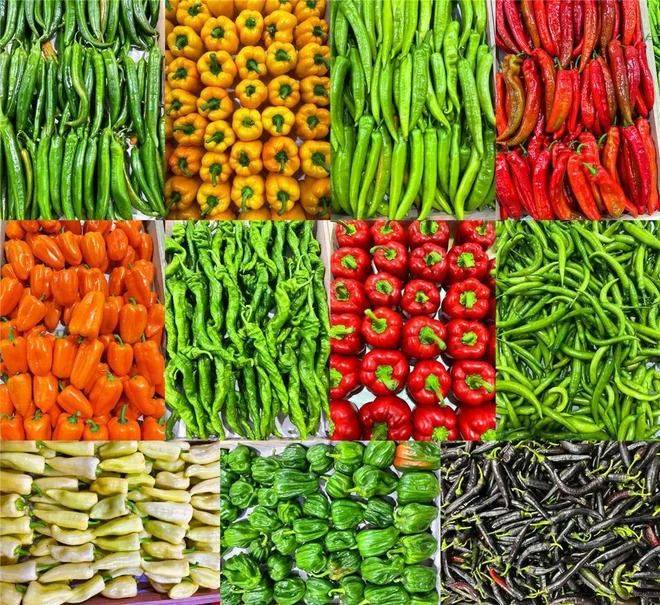
I. Basic background of lavish vegetables
1. Geographical location
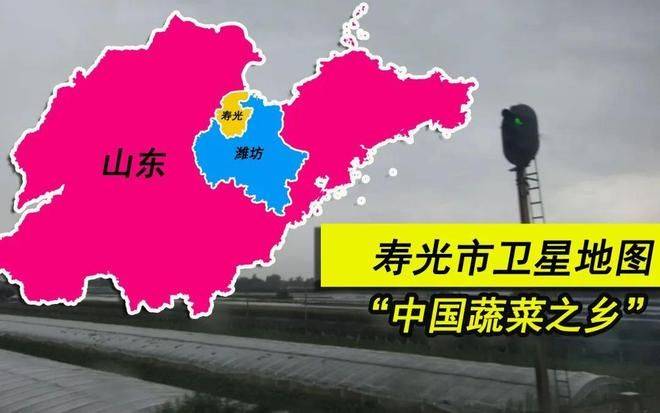
The city is situated in the central north of shandong province, on the southern shore of the bay of al-kailai state, in a temperate zone of monsoon weather, with adequate light and heat resources, soil fertility (mainly tidal soil) and suitable for vegetable cultivation。
2. Status and characteristics
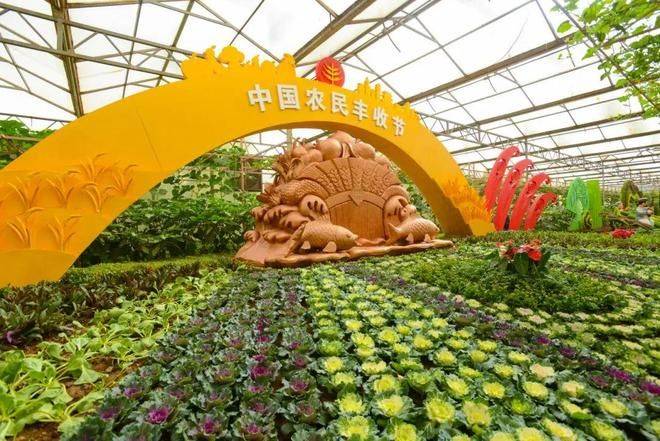
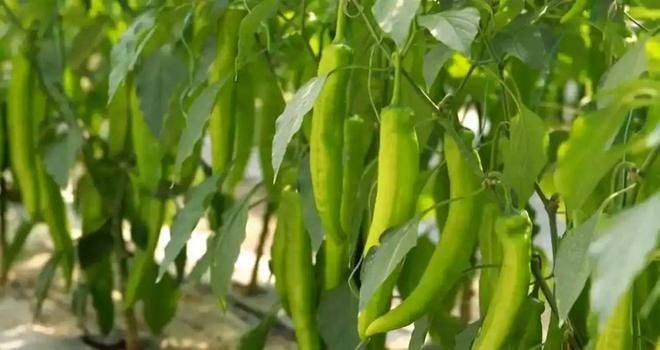
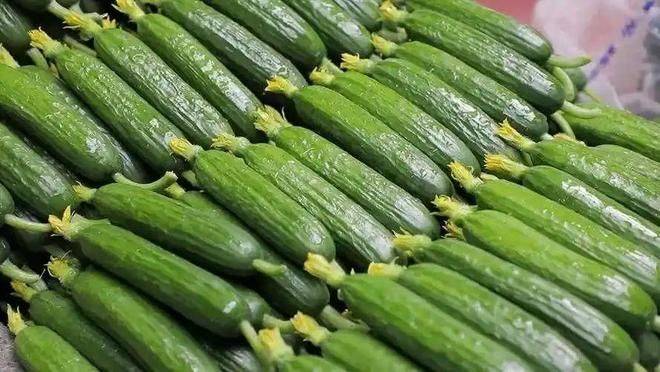
(1) china's largest vegetable production base, referred to as “the village of chinese vegetables”。
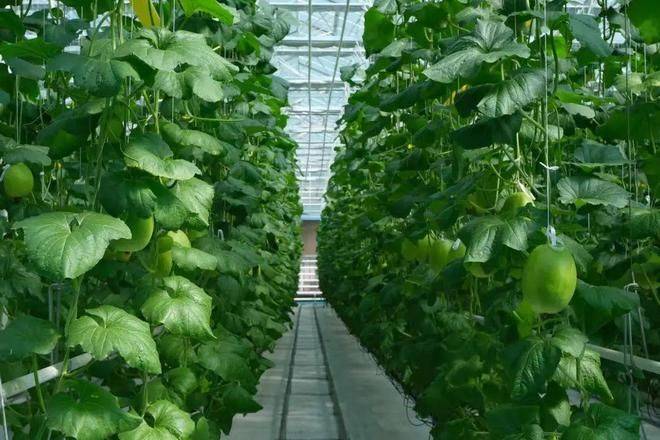
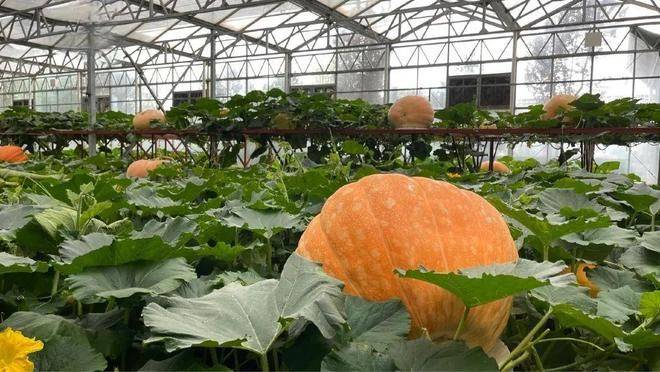
(2) the production of vegetables against seasons is known for the technology of winter-heated vegetable sheds。
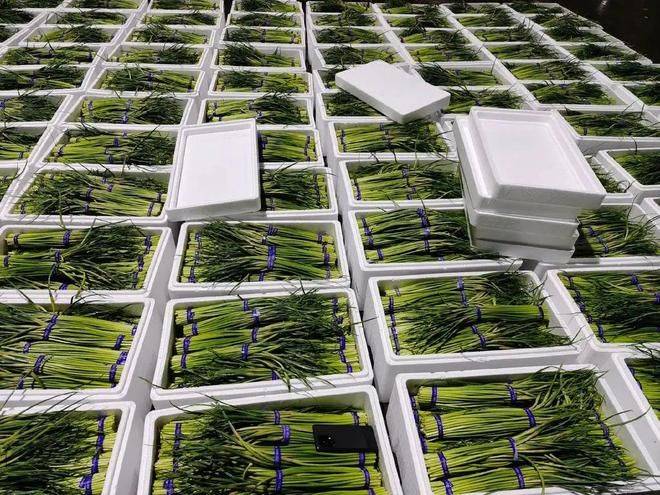
(3) an integrated industrial chain of “production-processing-sales” has been formed, with products sold both domestically and internationally。
Ii. Zone factors in the development of radiant vegetables
Natural conditions
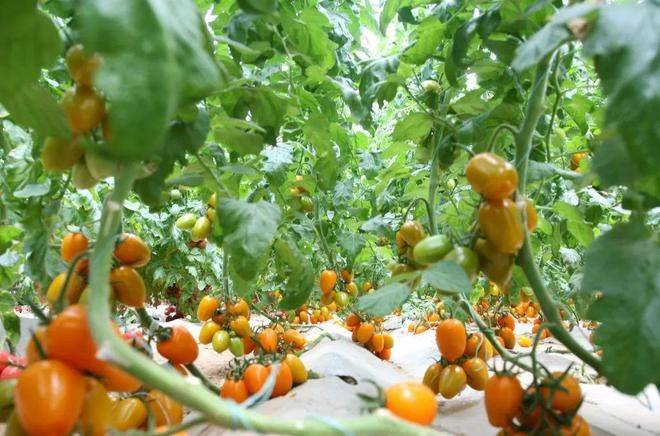
(i) climate: temperate monsoon climate, during the same period of rain heat, with sufficient light, with high temperature differentials during the day and night, which contribute to the accumulation of vegetable sugar。
(2) water: groundwater is abundant, rivers (e. G. Meh) and irrigation facilities are improved。
(3) soil: alluvial plain soil is fertile and organic content is high。
2. Socio-economic conditions
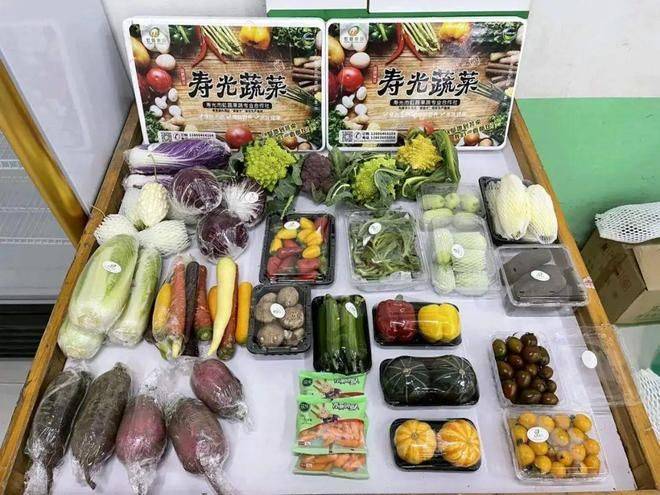
(i) markets: close to economically developed regions such as kyoto, the long triangle, where demand is high; international markets for exports (e. G. Japan, russia)。
(2) transportation: the road and rail networks are dense, close to the qing island port, and logistics is easy。

(3) technology
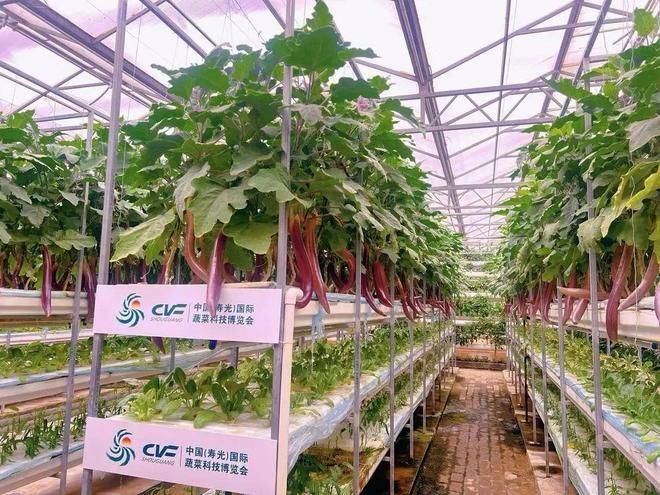
1 agricultural science, technology and innovation (e. G. Shack technology, soilless farming, smart temperature control)。
In cooperation with scientific institutions, promote quality varieties and green farming technologies。
(4) policy: the government supports the industrialization of agriculture by creating a “lifelight model” (standardized production + branding)。
(5) labour force: population-intensive, agricultural labour force rich and experienced。
Historical basis
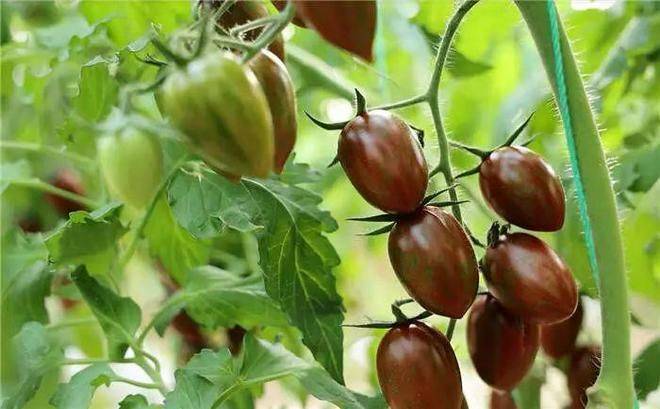
1 long tradition of vegetable cultivation, intergenerational transmission of farmers ' technical experience。
The first winter-heated vegetable shed was established in 1989 and triggered a national “basket revolution”。
Iii. Common questions and directions for advanced examination
What are the locational conditions for lifelight to become “the village of chinese vegetables”
(1) natural conditions (climate, water, soil) + socio-economic conditions (market, transport, technology, policy)。
(2) the typical answer is: “survivors are in the temperate zone of monsoon climate, where the heat is abundant; the terrain of the plains is easy to grow on a scale; government policies support the industrialization of agriculture; scientific and technological innovations (e. G., shed technology) break natural constraints and achieve counter-season production; and markets are extensive near coastal ports and developed urban groups.”
The lessons learned from the development of the luminous vegetable industry for other regions
Development of niche agriculture
2. Strengthening scientific and technological inputs and modernizing agriculture
3 improving industrial chains (integrated production, processing, logistics, marketing)
4 branding to increase product value added
The focus is on ecological conservation and the promotion of green agricultural technologies。
3. Challenges and measures in the radiant vegetable industry
(1) challenges
Overdependence on groundwater leads to water scarcity
2 prolonged combinations leading to soil salinization and increased pests
3 market competition has increased (the development of the vegetable industry in other regions)。
(2) measures
1 promote irrigation techniques (e. G. Drip irrigation)
(b) development of organic agriculture and restoration of land by shifting cultivation
3. Strengthen research and development of new varieties to improve quality and competitiveness
4 development of “internet+agriculture” and expansion of the electrician distribution channels。
Iv. Outreach of linkages
Sustainable agricultural development: the promotion of “breed reactor technology” (reduce fertilizer use), eco-cycle agricultural models。
2. Regional economic collaboration: lifelight as the agricultural pillar of the mountain mountain city group, complementary to neighbouring cities。
3. Climate change impacts: threats to vegetable production from extreme weather events (such as cold tides, heavy rains) and responses。
Answering techniques
1. Case-specific analysis: avoid generalizations and close to the geographical and industrial characteristics of eugenic light。
A multi-dimensional approach: from nature to humanity, from strengths to problems, reflecting a combination of geographic thinking。
Linking policy and science and technology: highlighting the role of technological innovation and industrial upgrading in the “lifelight model”。
The above is an effective response to the high-frequency examination of agricultural location analysis, sustainable development measures and so forth。