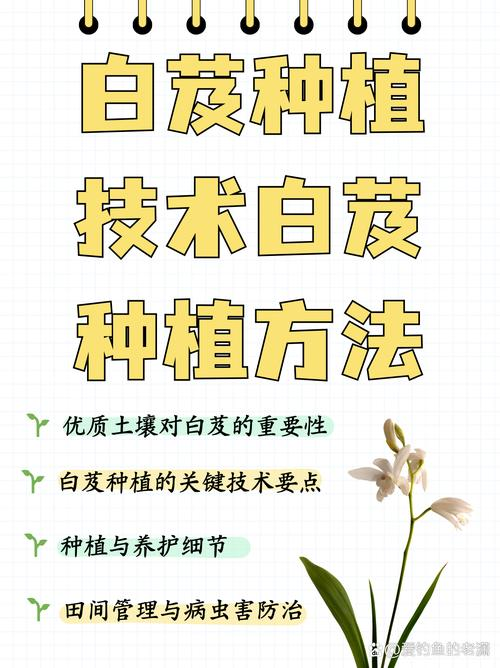
Technical points for white palladium cultivation, x x x x x x x x
Catalogue of plant-specific reproduction methods for field-based management of harvesting and processing applications and outlooks
01 botanical properties
The roots of the platinum are irregularly flat, with two to three branches, with most of the root. The leaves of the morphological glyphs are in the shape of a cape or a wide cape, with a tip of the front end, a girdle of the base, a deep green top, a light green bottom, and a purple vein. The fragrances of the platinum are in total order, yellow and green, with short plumes and male flowers; female and male luminous length; male and female, purple on top and yellow on bottom; and female, white. Sequence
The platinum is a multi-year grassland, warm, humid and intolerant. The platinum is suitable for growth in estranged, fertile, drained sandy soils, and is thin. The period is april-may and the period is june-july. Growing habits
It is mainly located in anhui, zhejiang, fujian,* jiangxi, hunan, guangdong and guangxi. The plumes are born under a range of 100 to 320 metres above sea level, at the edge of the forest, in the bush, by the stream and on the grass. Distribution and habitat
02 reproduction methods
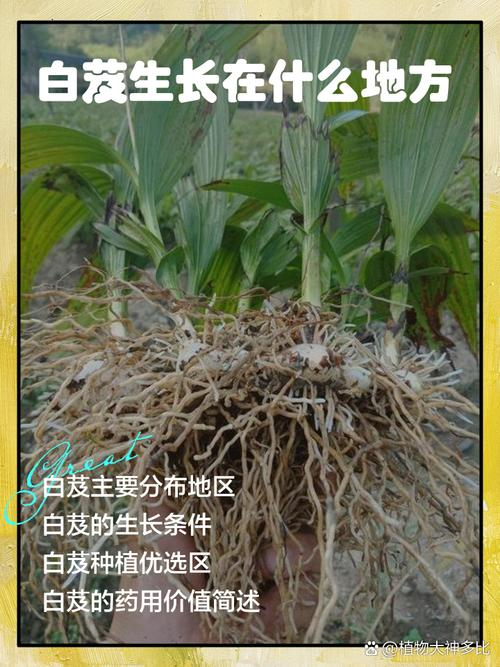
Soils are selected for lax and well-drained soil, with deep tillage and base fattening. When the seed is ripe, the seed is harvested and treated in a timely manner to maintain its vitality. The seeds are spread evenly on the soil surface, covering a thin layer of soil and humidizing. Seed reproduction
In the spring or autumn, separate plants are divided, at a time when temperature is appropriate and they are conducive to rooting. The individual plant is selected over time for a growing plant, divided into small strains with a minimum of 2-3 sprouts per plant. Small strains are planted in lax and well drained soils, wetting and management are enhanced. Zero-three breeds 0201
In the autumn or spring, the plume of a white sap is excavated and treated, and healthy truncheons are selected for planting. The tubing collection divides the tubing into small blocks, each with at least 2-3 buds. The stubble stubble burys the stubble in a loose, well-drained soil, wetting and improving management. Cultivation
The group gathers small, white tissues or roots for disinfection. The collection organization induces the division of the breeding plant, which inoculates the tissue on the basis of the division culture, and is divided and divided by cells, resulting in the formation of the healing tissue. (c) transfer of the tissue to the breeding ground for the next generation and increase the number of reproductions. (c) transplanting of bacterium seedlings from breeding into greenhouses or fields for improved management until they grow into mature plants。
3 plantation technology
The selection of fertile and well-drained plots of soil avoids planting in low-lying, salinous environments that are not conducive to the growth of white lumbers. The selection of the land has resulted in the removal of debris, stones, etc. From the soil, while the land has been softened and the soil has become more fertile. The whole place and the whole place
Cultivation density, based on the characteristics of white poignant growth, is reasonably organized at 10-15 plants per square metre. The depth of cultivation of the platinum should be kept between 5 and 8 cm, which is too shallow for its growth. Plantation density and depth
The base fertilizer is used as the base for the purpose of increasing soil fertility through the application of morbid farm or fertilizer to the ground. The timely application of fertilizer to the growth of the white fertilizer normally takes two to three times a year. Fertilizing
Timely irrigation and soil humidity are required during white guillotine growth, especially during dry seasons. During periods of more rainy season irrigation requires attention to drainage, avoiding the accumulation of water on land and affecting the normal growth of white guillotines. Drain irrigation and drainage
04 field management
Artificial weeding takes place during all periods of white-leaved growth by removing or removing weeds manually and keeping the fields clean. Chemical herbicides use herbicides for directed sprays, which can quickly kill weeds, but care needs to be taken to select herbicides that are not harmful to white tungstens, and to provide directional cover during spraying to avoid the fluids drifting onto the white tungsten plant. Weeding
The use of fast-activated fertilizers is appropriately complemented by organic fertilizers, such as decomposed farm fertilizer, composting, etc. The pursuit of fertilizers is carried out at different stages of the growth of white tungstens, such as before spring gestation, before flowering and before fruit production. The fertilization time is flexible in the application of fertilisation to avoid over-fertilization resulting in burns, depending on the growth of white tampons and soil fertility. Fertilization
Physical control uses lighting booby traps, artificial capture, as well as rational fertilization and irrigation, increasing resistance to plant and reducing the incidence of pests and diseases. Biological control uses biological resources such as natural insects, microbes, etc., such as parasitic bees, biopesticides, etc. Chemical control uses chemical pesticides, where necessary, but care needs to be taken to select low-toxic, efficient and low-residency pesticides and to strictly control the quantity and frequency of uses to avoid contamination of the environment and white thorium. Pest control
Cultivated pine land is often cultivated in the medium, increasing soil permeability and promoting the growth and development of the white root system. Irrigated drainage is irrigated in a timely manner in accordance with the need for white guillotine growth and soil moisture, while attention is paid to drainage to prevent the accumulation of water in the field. The whole branch is trimmed as necessary to remove the strains from the disease, the weak branches, the overt branches, etc., so as to maintain a well-ventilated plant and improve production and quality. Other management measures
05 collection and processing
The harvest time is usually in the spring or autumn, when the plant is growing and the tubers are nourished. Before harvesting, it is necessary to remove the dead branch leaves from the field and then dig out the tubing with tools, with care not to damage it. Time and manner of collection
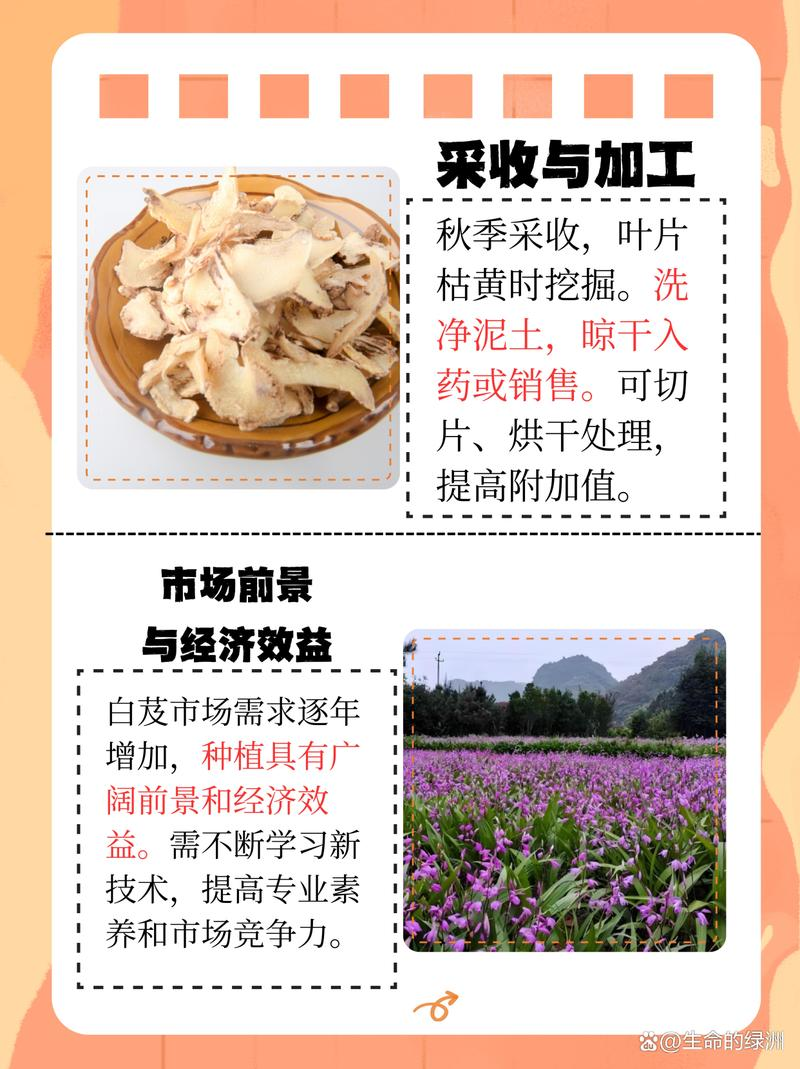
The processing method washes the excavated white plume, strips or slices. The process requires that the integrity and beauty of the tubing be maintained during the process, with care to remove impurities and pests. Processes and processes
The well-processed white saps must be dryed and stored in dry, ventilated, cool areas to avoid tide and sun. During transport, white plumes are not squeezed or collided to avoid damage and deterioration. Storage and transport
06 applications and outlook
It has a long history of application in chinese medicine and has the effect of constricting bleeding and swollen muscles, which can be used to treat haemorrhages such as coughing, spitting blood, urine blood and so forth, as well as ulcer and broken arms and feet. Clinical applications of platinum include herbal herbicides, mesopharmaceuticals and chinese injections, and involve the treatment of multiple diseases and assistive treatments. The pharmaceutical value of white tungsten and clinical applications
The platinum is of high value in horticulture, viewing and viewing, and can be used in flowering, flowering and gardening. White tarts are also used in such areas as cosmetics, health care, etc., for the production of facials, health-care drinks, etc. Application of the white ribbon in other fields
The industrial development and prospects of the white haze are increasingly being used for the treatment and health care of diseases such as bleeding, ulcer and other diseases, and market demand is growing. In the future, the white platinum industry will move further towards scale, regulation and high-end development, with the promise of becoming one of the internationally competitive chinese pharmaceutical industries. With the modernization of chinese medicine and the upgrading of the industry, the cultivation and processing of white platinum has been increasing, and the industry has gradually expanded。
Thanks thanks for watching