Technical program for quality improvement and efficiency enhancement of peaches in peri-zone
Wang jolly
In recent years, the walnut cultivation industry has continued to develop and grow on an ever-increasing scale in the coastal zone of the city. However, the low productivity of walnuts in the process of growing walnuts has had a direct impact on the expansion of the walnut industry, and therefore the adoption of more advanced efficiency measures to improve the quality and production of walnuts is the goal of a large number of walnut growers。
1 status of walnut industry development in the zone
The fertile soil, sufficient light and abundant rainfall in the methambang region are the best breeding grounds for walnuts. Since 2004, the peri-zone has identified the walnut industry as the dominant industry, along the lines of “developing the walnut industry and effectively increasing farmers' incomes”, and has taken effective measures to bring about rapid growth of the walnut industry. To date, walnuts have grown to 20,000 hm2, walnuts to 15,000 hm2 and walnut nuts to 194,000 t, with an annual production value of 323 million yuan. They have been awarded the title “major production base of the walnut industry in shaanxi province” and have played an important role in boosting rural renewal. In may 2018, on the basis of the combined advantages of the natural conditions, size of the base, level of production, quality characteristics, market branding, industrial efficiency, pet applied for registration of the geographical sign of the “pet” to certify the trademark, and in october 2020, pet was awarded the state geographical sign to certify the trademark. At the same time, a number of walnut-processing enterprises, such as minami city, nanjo natural specialty co. Ltd. And quiyang agricultural development co. Ltd., have emerged and, thanks to the combined efforts of the government and enterprises, there are wide-ranging prospects for the development of the walnut industry in the zone。
2 several problems in the development of the walnut industry
In recent years, the cultivation of walnuts has expanded year by year, creating favourable conditions for local farmers to become rich and increasing their incomes. However, there are many problems with local walnut cultivation. Some walnut growers lack sufficient awareness of the walnut industry, focus only on planting and management, allow walnut trees to grow, lack effective technical support and scientific management, adversely affect the growth of walnut trees, and are inefficient in walnut cultivation, creating some obstacles to the development of the local walnut industry。
2. 1 problems at the time of construction
The selection of varieties is not appropriate, and fruit farmers focus only on early and productive varieties, without taking into account local adaptation. Inadequate site selection and failure to take account of factors such as the soil environment and the climate of the park, thus affecting yields and quality. Cultivation density is unreasonable, with most planting density of 3 m x 4 m in pursuit of high pre-production, resulting in late-horticulture condensation, deterioration of ventilation, death of the inner-barrel branch and deterioration of the quality of the fruit. The lack of a rational distribution of pollination trees also affects the production and quality of walnuts。
2. 2 inadequate management after planting
Walnut cultivation usually takes three years to see the fruit, and it takes five years to grow to the scale of the economy. In the process of walnut cultivation, many farmers do not pay much attention to the cultivation of walnut trees, which are considered common economic species and do not focus on day-to-day management, affecting their production and quality. In day-to-day management, poor management of soil and water fertilizers, care, pest control and so on, seriously affects the quality of the fruit of walnuts and the lack of a regulated market order, which has a significant impact on the motivation and economic efficiency of walnut growers。
2. 3 industrial synergy and weak policy support
The low level of government support in the development of the walnut industry has led to a weak industrial chain, incomplete development of the walnut industry, weak brand awareness and uneven levels of walnut-planting management among farmers, which has led to insufficient application of advanced technologies in the management process and ineffective upgrading of yields and quality。
3 technical highlights of walnut efficiency enhancements
3. 1 science parks
3. 1. 1 the area to be selected for the walnut garden must have adequate light conditions, good drainage facilities, preferably in the desert and hill areas, with a slow slope and a large slope, which is controlled at 15° ~ 20°. When the slope is over, it needs to be either in the form of a ladder or properly grounded。
3. 1. 2 in recent years, the pre-dependant zone has mainly promoted highly resilient, productive and high-quality varieties such as the shanling, liao core, and the united states walnuts (figure 1), which are more suitable for semi-arid climatic conditions in mean。
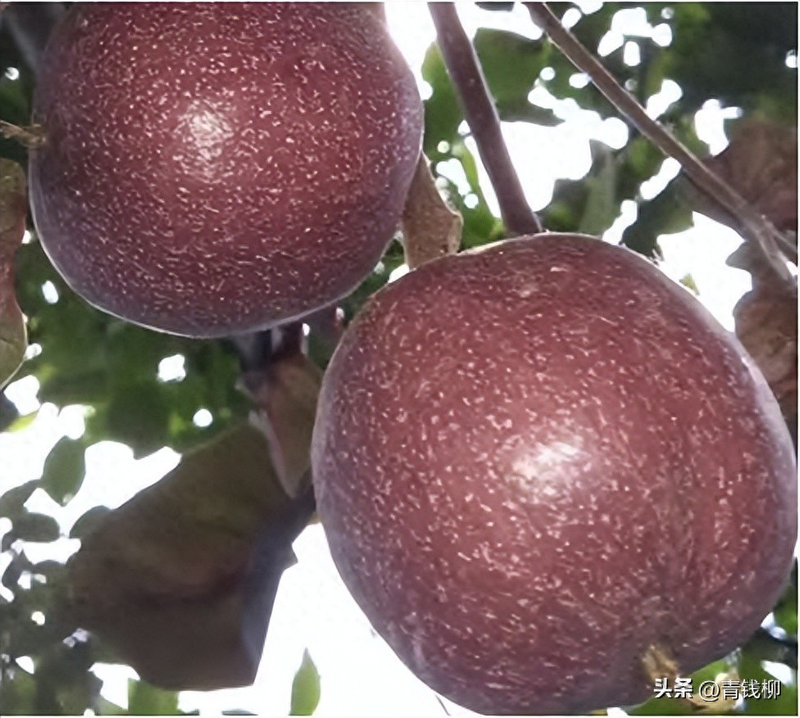
Figure 1 results of american walnuts
3. 1. 3 the planting density of walnuts is one of the major factors affecting the production and economic efficiency of walnuts. The planting density of pecan trees in the impregnated zone should be reasonably adjusted to the local soil type, annual precipitation, soil fertility and variety characteristics, usually covering 42 to 56 plants per 667 m2, i. E. The spacing of trees is generally controlled at 3 to 5 m and the spacing of 4 to 6 m. At the same time, the specific density of walnut trees in different ecological environments and varieties should be adjusted to local conditions to achieve good yield benefits. In addition, in combination with the main plant varieties, pollination trees are configured, usually with a ratio of 5°1-8°1, with the selection of the pollination varieties lin1 and silin-3 to increase pollination rates。
3. 2 post-plant management
3. 2. 1 soil management for mature walnuts, deep soils are required, soil structures are optimized, and soil fattening conditions in fruit trees are improved。
3. 2. 2 scientific fertilization. During walnut cultivation, appropriate and appropriate science is applied in accordance with the actual conditions of the walnut cultivation grounds. Fertilizers are used to catch fat and base fat. In practical management, fertilization is generally based on soil fertility, walnut nutrient demand and walnut growth. Fertilizers are generally divided into spring and autumn seasons, and base fats should be in autumn. Fertilizer pursuit is usually used three times according to the walnut tree shape. Fertilizers are applied mainly on the basis of base fat and in pursuit of fat. It is mainly based on organic fat for agricultural households and combines with compound fat. The earlier the application of the base weight, the better, the farmer's fattening of 30-50 kg per larvae, the farmer's fattening of 50-100 kg at the beginning, and the farmer's fattening of 100-200 kg at the beginning of the season. The fertilization process is divided into three stages, pre-flowering, pre-precipitous expansion, and hard core of fruit. Fertilizer components are mainly ammonium phosphate and urea, which must be watered every time they are followed up。
3. 2. 3 during the planting process, the application of drip irrigation, seepage techniques and integrated water fertilizer techniques is promoted to ensure adequate water supply during the embryonic, fruit expansion and hard core periods, which should normally be irrigated 15-20d times during the dry season。
3. 2. 4 inadequate management of some model walnut plantations, resulting in low yield and poor growth of walnut trees, should be performed in a timely manner, with drying and stretching, and good walnut tree structure。
Intracting should be based on the principle of “in the form of trees, in the form of branches, in the physical and intangible form”. That is to say, by artificially trimping and growing tree canopies, the walnut tree forms a good structure, enhances its position and improves its outcome rate。
Nuts can be trimmed by choosing the cut time based on the age of the tree and the direction of the tree in order to achieve the optimal cut effect. The walnut tree is trimmed in accordance with different stages of growth. Pre-emergence trimmed to the early stages of the leaf, promoting new growth and budding. The light cutting, heart-picking or wiring of branches during the boom period helps to adjust tree crown structure and light conditions. Cultivation of the main branch, control of the long branch and the second branch, removal of the tight branch and treatment of the back branch. After harvest and before leaves fall, appropriate parts of the branches are removed and ventilation is improved. Short cut-off of growing branches, preservation of the buds of the foundation, and promotion of new branches. They've been retweeting for years, updating old branches. The normal trim is 1 to 2 cm away from water loss in the marrow, which affects the growth of the lumber, and the balance between tree growth and results (figure 2)。
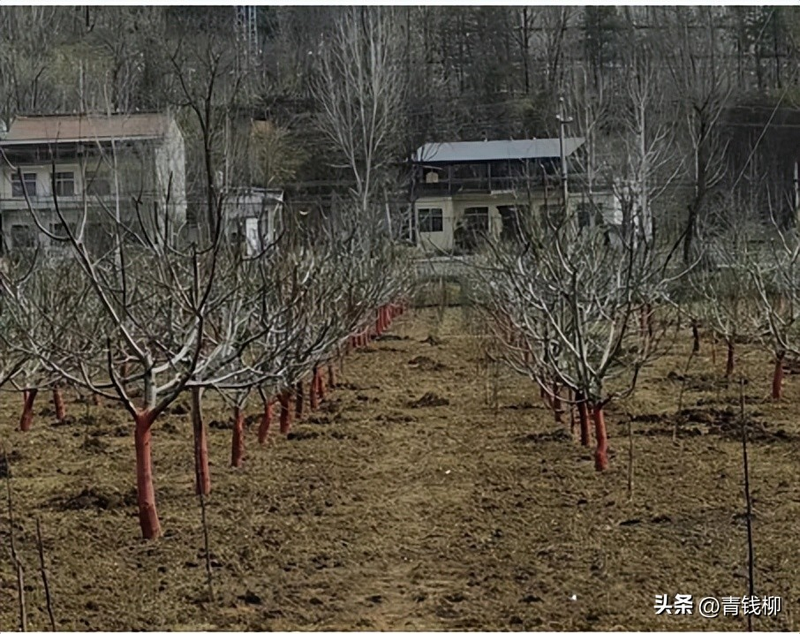
Figure 2
3. 2. 5 high-level switching and optimization of varieties. For example, plugging generally selects smooth aluminum surfaces, cutting down a depth of 1. 5 cm vertically with a knife, cutting out a 4-5 cm slope of the ear, and inserting it into the skin of aluminum, so that it and aluminum can be effectively tightened, while at the same time managing the succession to improve healing and survival rates (figure 3)。
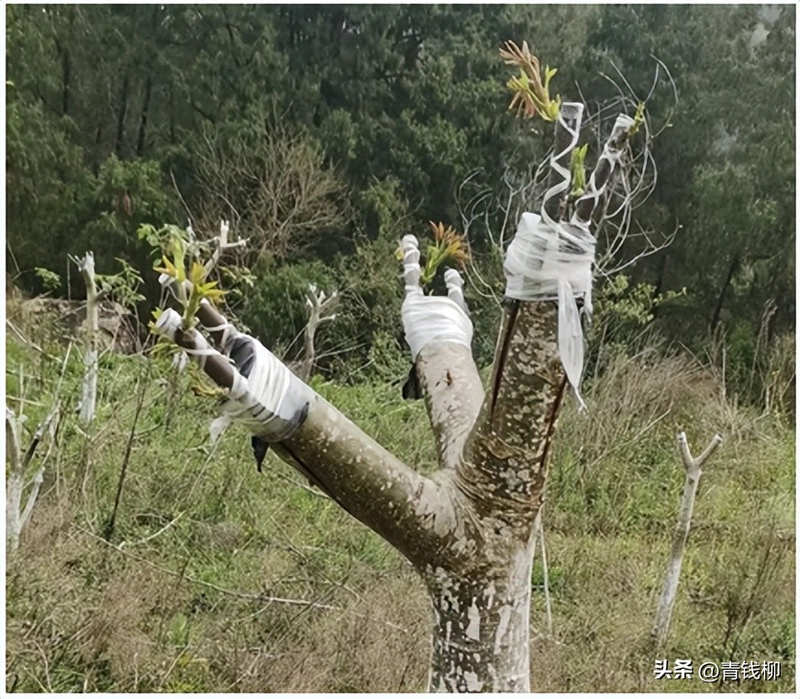
Figure 3. High-tech walnut trees
3. 2. 6 in order to effectively combat walnut pests and diseases, it is necessary to adhere to the principle of “preventive and integrated management” and to take effective measures to improve walnut growth conditions, upgrade management levels, continuously increase tree strength and improve disease resistance. It also protects the natural enemies of walnut pests for the purpose of physical control。
Before the walnut tree sprouts, it was necessary at the beginning of april to spray a walnut tree with thiomers to reduce the incidence of pests. In may-august, when temperatures and wet temperatures are high, pests are easily produced, and walnut and silver moths are checked. The most effective preventive measure is biopharmaceutical spraying, which takes half a month to redo the agent when the pest is severe, and the agent must rotate. During the winter, the plate should be farmed on the basis of specific pecan tree fertilization. Cleaning of walnut gardens, cutting off branches with pests or extra branches and concentrating on cleaning and burning。
Where possible, biological agents should be used to combat diseases such as walnut tree decomposition for drug spraying or smear control. Effectively controlling the use of chemical agents, when necessary, should also select low-toxic substances. Scratches of the stoves were scraped before they were painted, and they were painted 4-5 times, and stopped when the conditions improved so as not to cause pesticide residues and contaminate the environment. Due attention must be paid to walnut pest control and, when pests and diseases occur, effective measures should be taken to respond positively and avoid greater economic loss。
3. 3 industrial synergy and policy support
3. 3. 1 intensive technical training: based on the principles of “good seeding, regionalization, quality, efficiency”, using the approach “led by the forestry sector, organized by technical extension agencies, town and village collaboration, skilled farmer technicians, and the benefits of mass care”, to effectively scale up technical training in low-yielding walnuts, “big wholeness, change and upgrading” techniques to help forest farmers turn down, dry, decoupling, improving ventilation, increasing tree capacity, increasing unit area production, and increasing the technical level of forest farming and confidence in the management of forest areas。
3. 3. 2 increased policy support is directed at the short chain of walnut industries, the lack of walnut processing equipment, the late processing of walnuts, the lack of quality assurance of walnut products, low commodity rates, low-cost sales of green fruits and poor fruit sales, among other issues. The district government should provide priority villages for various industries, as well as poor villages, with walnuts, washing agents and dryers. The walnut nut commodity rate could also be increased by more than 20 per cent, up by $2-4/kg from previous prices. Improving the processing capacity of walnuts, extending the industrial chain and increasing their resilience to market risk is only an important step towards improving the efficiency of the walnut industry. Deep processing of walnuts is particularly important in order for the walnut industry to continue to develop. Processing the production of amber walnuts, chocolate walnuts, date palm pies, roasted walnuts (figure 4), dates and walnuts, among others, increases their economic value by a factor of one, making sure that farmers' walnuts, walnuts and walnuts are actually converted into money, making sure that the walnut industry can help farmers to prosper。
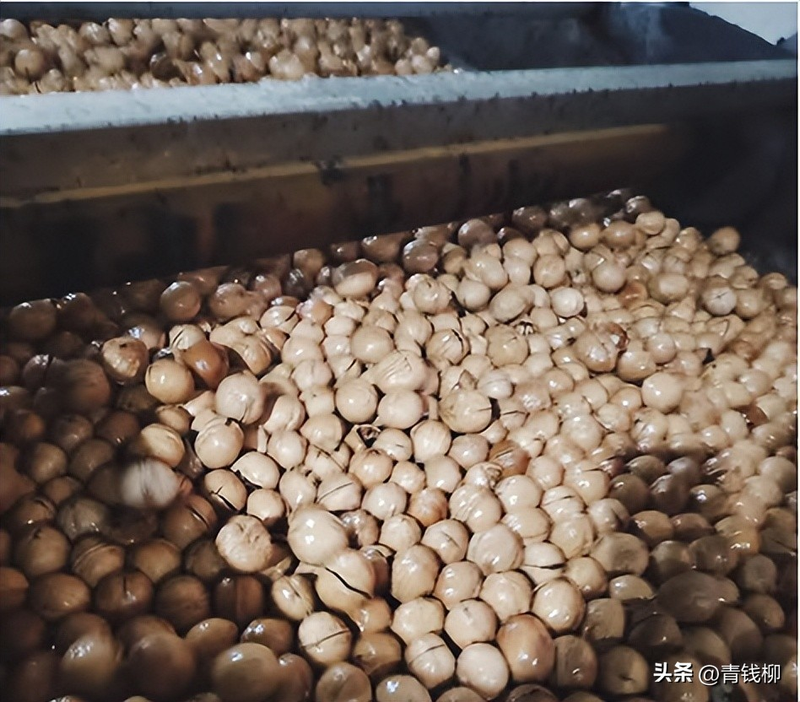
Figure 4
The results of the year when the walnut seedlings of paper-covered red walnuts were gravitated into thin walnut walnuts were planted in the north and south