On 15 december, xinhua daily telegraph published a commentary entitled new energy car repairs, moving out of the “big cost of minor repairs”。
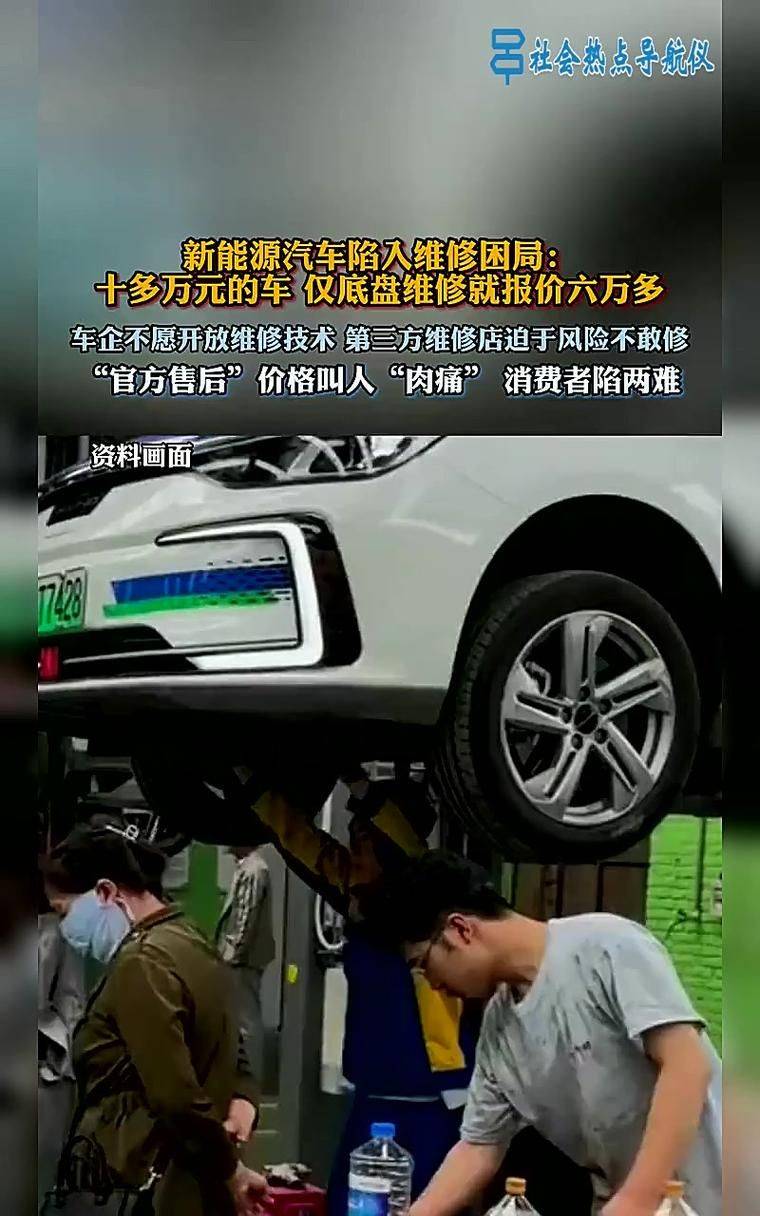
According to the new kyoto newspaper, in the event of a slight tumble, the cost of repairing new energy vehicles was twice to 2. 5 times that of fuel trucks. Small malfunctions such as sprinting, spare parts and so forth, which cost hundreds of dollars, have become a problem for many new energy car owners。
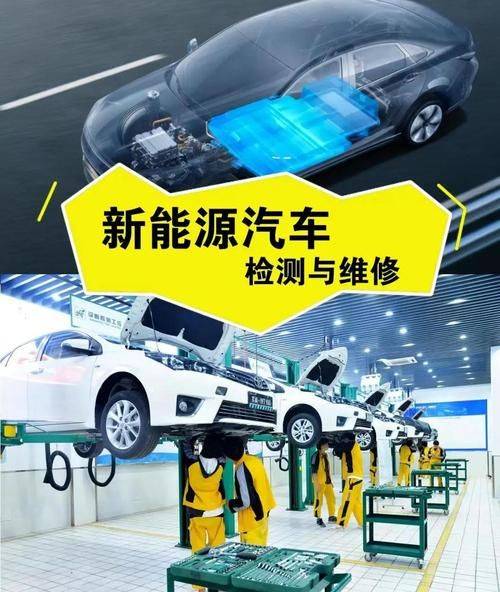
The application of new materials and technologies is the advantage of new energy vehicles and one of the reasons why new energy vehicles are more difficult and expensive to maintain. In addition to this, multiple factors have pushed up the price of “small repairs” to new energy vehicles:
First, maintenance is reserved for 4s stores, making it somewhat difficult to market prices for general maintenance. A number of automobile companies have given consumers the option of repairing 4s for reasons such as “outside maintenance affecting quality assurance”. In contrast, the maintenance market for fuel trucks has evolved over the years, creating a “4s + large maintenance chain + small and medium-sized repair plants” multi-supply pattern that also provides consumers with more choice。
Second, the degree of standardization of spare parts needs to be improved, as spare parts for different types of vehicles and for the same enterprise are not common, pushing up maintenance prices. New energy vehicles have been innovative in recent years, but the variety of “shows” at the factory level has also contributed, to some extent, to the low prevalence and standardization of new energy vehicle parts. This has not only turned maintenance into “separation”, but has also increased surrounding costs such as logistics, storage and so forth. In addition, the high degree of integration of new energy vehicles and small problems with some of their models requires the replacement of entire modules, which will necessarily cost a great deal. This is also a problem that is often stigmatized by consumers。
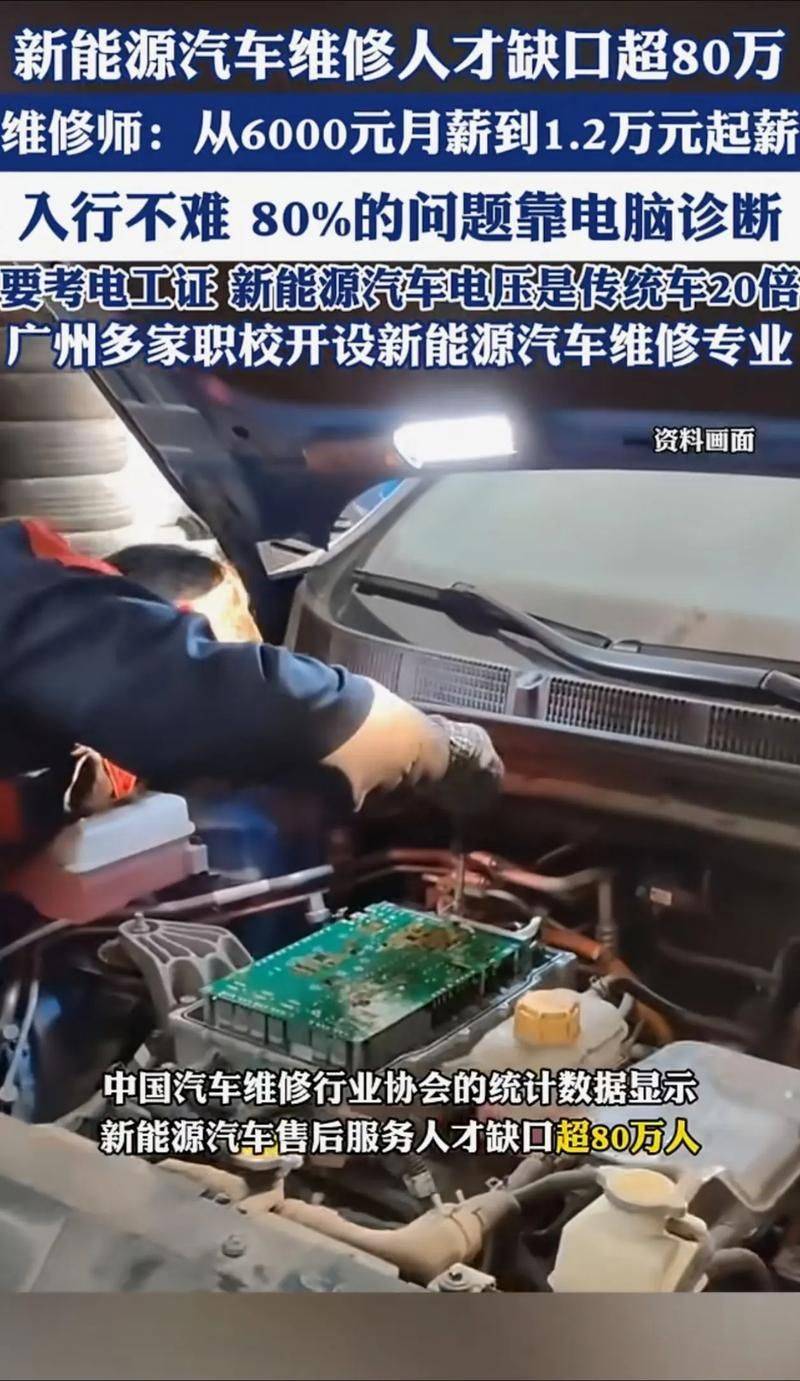
In addition, the overall number of maintenance staff is insufficient, raising the cost of new energy vehicle maintenance. Reports indicate that the post-sales service gap for new energy vehicles is about 842,000, and that fewer than 100,000 national certified maintenance technicians are available. Traditional mechanics have short-range capabilities in high-voltage electrical controls, software diagnostics, etc., while the development of composite technicians requires systematic training to meet market demand in a short time。
After many years of development, the new energy automobile market has developed a developed distribution network. Maintenance, on the other hand, is one of the most demanding branches of the car life cycle, with large markets and high growth potential. To make new energy vehicles more accessible to the general population, there is still a need to speed up the construction of complete, accessible and cost-effective after-sales service systems。
In response, management is also developing policies to promote the new energy vehicle maintenance sector. In january of this year, the guidance on deepening reforms and strengthening regulation for the high-quality development of new energy vehicle risks, jointly produced by the financial supervisory authority and four other departments, made it clear that it would help reduce maintenance costs. To enrich the supply channels and types of parts and components for the maintenance of new energy vehicles, encourage the promotion of new energy automobiles and power battery enterprises to open up technology, enhance the maintenance economy of power batteries and support their own or authorized networks to sell “triple power system” accessories to society. The maintenance market has also responded positively and is gradually diversifying. For example, the ningde era introduced the ning family service, which opened up battery maintenance and replacement services to the market. Some businesses focusing on the maintenance of new energy vehicles are also growing。
We look forward to working together to make the new energy car “small repairs” less expensive。