Article 17 the villagers ' conference consists of villagers over the age of 18。
The village meeting shall be held with the participation of a majority of the villagers over the age of eighteen, or with the participation of representatives of more than two thirds of the household of the village, and the decision shall be adopted by a majority of the participants. When necessary, representatives of enterprises, enterprises and mass organizations based in the village may be invited to attend village meetings。
[interpret] this article is about the provisions of the village assembly。
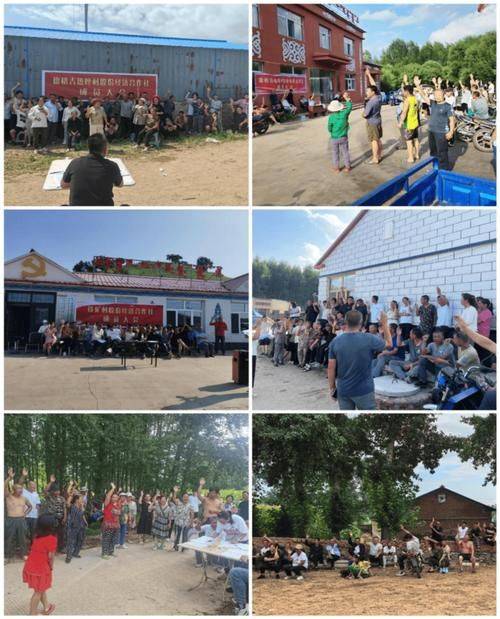
Villagers ' meetings are an organizational form of collective discussion among villagers to determine issues of interest to villagers throughout the village and are the fundamental means and forms for villagers to exercise their right to self-government. Issues that affect the vital interests of villagers throughout the village are discussed collectively by the village assembly and are of paramount importance for the full development of democracy, the development of democratic living habits among villagers, the promotion of a sense of ownership among villagers and the genuine self-government of villagers。
I. Composition of villagers ' meetings
Paragraph 1 of this article provides that the village assembly shall consist of villagers over the age of 18. In this regard, the following points should be taken into account: first, the villagers attending the villagers ' meeting shall be 18 years of age or older. Under article 34 of our constitution, citizens of the people's republic of china who have attained the age of eighteen have the right to vote and to be elected, except for those who are deprived of their political rights. Article 11 of the general civil code stipulates that citizens over the age of 18 are adults, have full civil capacity, can carry out civil activities independently and are persons of full civil capacity. Persons under the age of 18 are minors and do not have full civil capacity, and cannot participate in village meetings, not forming part of them, even if they have taken part in productive work and are dependent on their income. The second is that the village's villagers must be present in the village, i. E. They must be resident in the village and have a local household account. Thirdly, the right of villagers from their villages who have been deprived of their political rights in accordance with the law to participate in village meetings is not regulated by law. Under article 54 of the penal code, deprivation of political rights means deprivation of the right to vote and to be elected; freedom of expression, publication, assembly, association, procession and demonstration; the right to hold office in state bodies; and the right to hold positions of leadership in state-owned companies, enterprises, undertakings and popular associations. Other rights enshrined in the constitution, such as the right to work, the right to rest, the right to education, the right to property, the right to inheritance, etc., are enjoyed in the same way as citizens in general. Thus, persons deprived of their political rights under the law, as members of the villagers, should be able to attend village meetings and express their views on the issues discussed at the village meetings, but they do not have the right to vote and be elected when electing the members of the village council; they do not have the right to vote when removing the members of the village council。
Ii. Format of village meetings
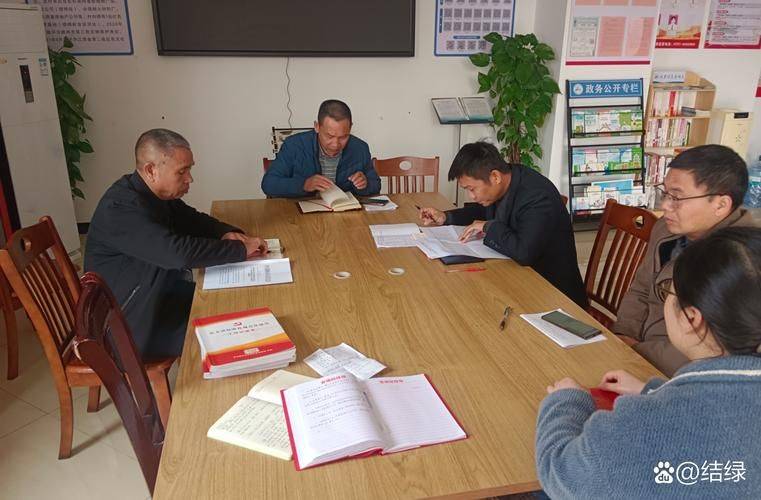
Under paragraph 2 of this article, village meetings take two forms. One meeting, attended by villagers over the age of 18, is the highest and most complete form of village meetings. The other is a meeting attended by representatives of each household, which is an incomplete village meeting in exceptional circumstances. The main consideration in providing for this form of village meetings is that, at this stage, the country's most basic economic system in rural areas is still family contracting and will remain unchanged for a considerable period of time. As a result, rural families are a production unit, each with a common economic interest and demand, represented by a household, and are generally able to reflect the views of the villagers in the village. Of course, as the rural socialist economy continues to develop, the individual consciousness of farmers has gradually increased and, as a rule, villagers ' meetings should insist on the form of participation of villagers over the age of 18. It takes the form of a family representative only where the population is dispersed or out of the country where it is difficult for the entire village to assemble. Major village activities, such as the election of members of village committees, the removal of members of village committees and the discussion of the adoption of village self-government charters, cannot take the form of village meetings with representatives of the families. In order to ensure that village meetings are held with the participation of an overwhelming majority of villagers, which reflects the fundamental principle of village self-government, this article also provides that a majority of villagers over 18 years of age, or more than two-thirds of the households, shall be represented。
Voting at village meetings
An important principle of rural grass-roots self-government is democratic concentration. The so-called centralized democracy is a centralized democracy based on democracy and guided by it. It is neither anarchism nor individual dictatorship. It is an organic combination of democracy and concentration. This principle is reflected in the voting system of the villagers ' meetings, where the majority is subject to a majority, i. E. Decisions taken by the villagers ' meetings shall be adopted by a majority of the members present, and only such decisions shall be binding on the villagers as a whole。
Iv. On attendance at village meetings
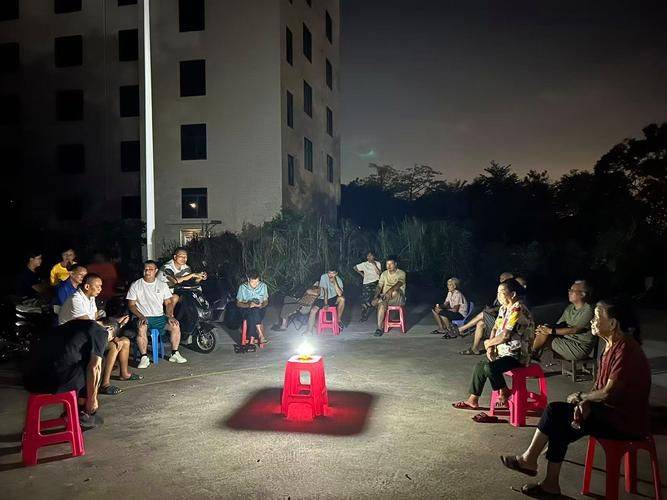
As the rural socialist economy continues to develop, the village councils are increasingly connected to the outside world, and there are a number of businesses, businesses and mass organizations in the village, with which they have various interests. Villagers are often invited to send their representatives to the village meetings when they discuss village affairs. Representatives present and voting shall not have the right to vote but shall seek their consent when they are required to contribute financially。