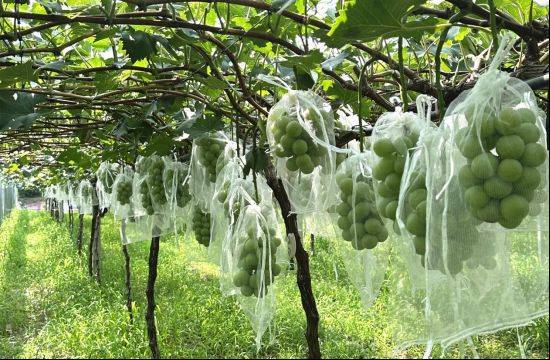
It's very rich, it's very drunk, and it's very fragrance. Entering a professional co-operative for luscious grape cultivation in the new west hamed region, a row of vines was formed in a row, a string of grapes was luminous and was gathering sugar in the sun. Although the park was opened only in early september, every day, an old client called wang, the director of the professional cooperative for the cultivation of grapes, who had just asked whether grapes could be picked, and everyone was waiting。
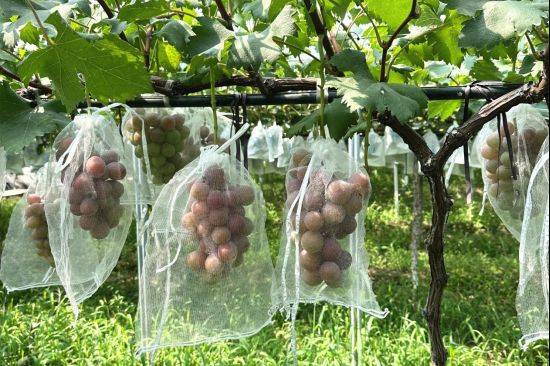
In the xinhan region, the new city of qinhan, which runs the village of qinjiang, is surrounded by key national cultural preservation units, such as the zhou mau and the han yan maung, which are more suitable for agricultural development. It has a history of growing grapes for more than 30 years and serves as a model base for the country's “one village, one product”, with a certain level of visibility and prestige. However, there is a monoculture of cultivation and the market for old varieties is losing. By august, daejeon had grown rain-fed weather, with more pests and diseases, and by the time it matured, many grapes were rotting on vines。
Wang has just been the first farmer to develop herds of grapes in the village of zhang jia jiu, testing new varieties, improving planting techniques and increasing their scale, leading to wealth. In 2021, with the support of the agricultural sector, wang has led a coalition of farmers from around the country to set up professional cooperatives for grape cultivation, which maximize the benefits for members of the community in areas such as seeding, management, technology and marketing, and bring about mutual enrichment among parents and families。
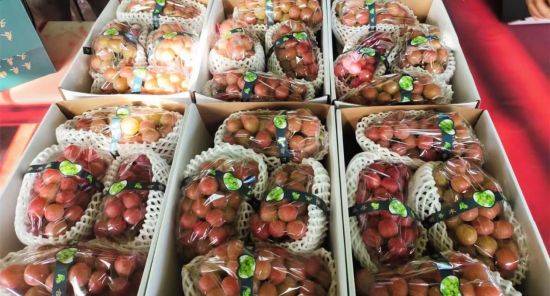
In january 2021, when the cooperative was first established, there were only eight or nine farming households, with 10 acres. As a result of the cooperative's integrated services for farmers, such as integrated management, consolidated purchase of agricultural resources and consolidated marketing, the incomes of growers have increased significantly, attracting more growers from the surrounding areas and increasing the size of the cooperative's industry. The cooperative currently has more than 110 acres of vineyards and more than 300 acres of irradiated agricultural development facilities in surrounding households。
As chairman of the cooperative, wang has regularly gone to the grapes association of shaanxi province, yang linggung university, and the country's famous orchard to learn farming techniques, management models and then to share his experience. Cooperatives have moved away from the firm concept of “low-quality production” in the diaspora era and have moved from production to production. In the case of farmers who experience technical problems during planting, they also seek the help of cooperatives, such as romantic insalubation, the uneven size of sun roses, etc., and wang has just helped farmers with his own knowledge by applying fertilizing and circumcising。
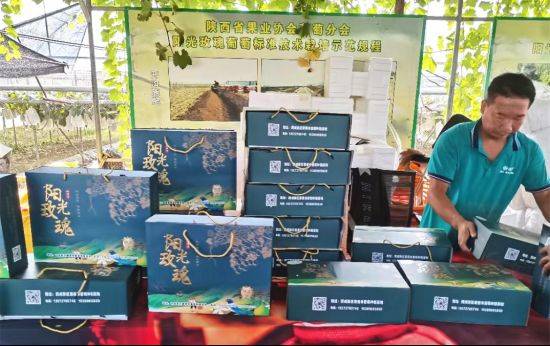
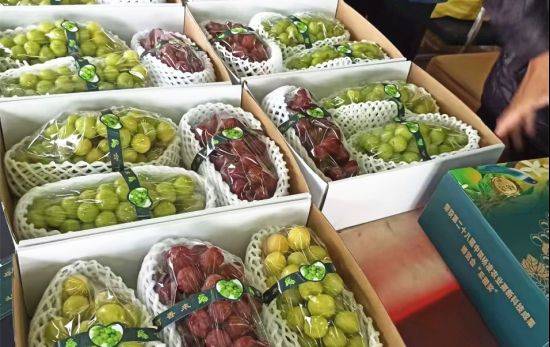
Since its establishment, cooperatives have sold grapes from fresh food harvesting, buying and marketing, and have sold them to hong kong, guangzhou, shenzhen, shanghai and beijing. Last year, the cooperative built a freezer to store more than 20,000 pounds of grapes, and to keep fresh grapes sold until spring. We put the red, red and green grapes of romantic roses and roses in the box, and we built the classic couple's gift costumes, and we got a lot of customers for them and we sold them well. These are all innovative marketing methods explored by cooperatives。
Before the mid-autumn festival each year, the most popular gathering time, the vineyards also provide a venue for tourists to barbecue. For several times a year, wang and some of his clients became friends, and he said, “there is a client who comes to pick with relatives and friends every year, and he feels that the sun roses here don't smell like many grapes in the streets, and the roses smell so strong and sweet.”
Turning to the biggest change in the establishment of a professional partnership for the cultivation of grapes, the farmer said, “when the field was growing on earth for food, it is now in the sheds to be managed without fear of weather problems; once an acre received a million dollars, now it has doubled
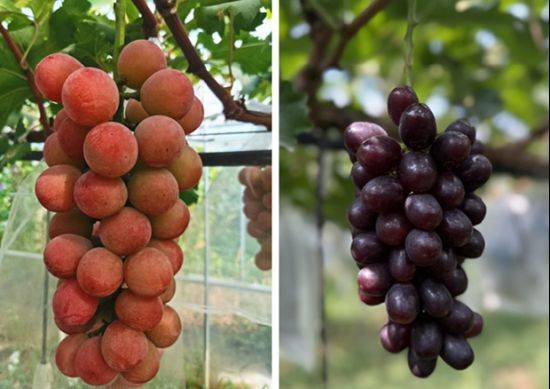
Ms. Farmo liu, pointing to an orchard, said: “the sun roses that had been seeded in previous years were sweet, durable and market-recognized. The hottest queen nina on the market this year, with 1,500 pounds of control per acre, smells of fragrance and sweetness, has been watched by many.”
Today, on the basis of the cultivation of grapes, new exploration has begun in cooperatives, and branding has become the next direction. Co-operatives have integrated the competitive advantages of the market, the characteristics of the product and the culture of identity, and also registered the “portuguese” trademark, which was used in the first year of this year and printed on the box, “it is also a reminder that we are more responsible for the quality of grapes.” wang just said。