Chinese medicine is a thousand years old in our country's culture and technology, and chinese medicine has much to learn from its health-care technologies. Today, the junior editor of the medical education network is bringing to you the theme “health management in chinese medicine: health education promotion in diabetes”
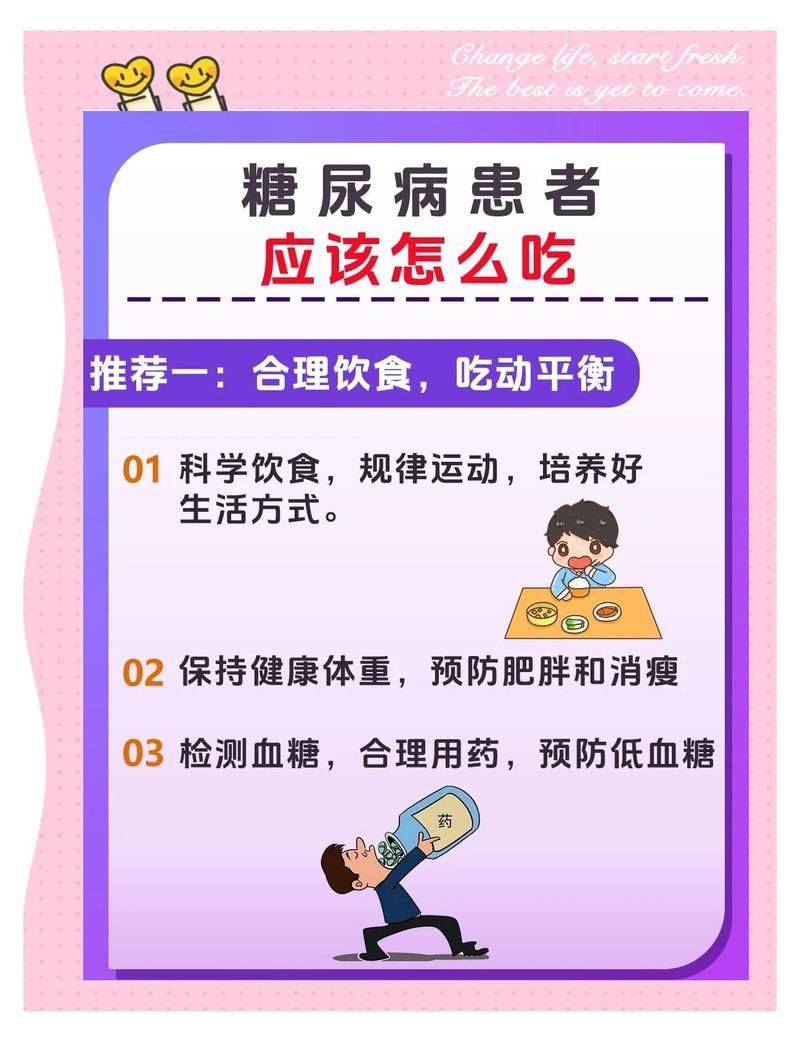
Watch your diet
No. 1 diabetes
Diabetes is a common disease and a multiple disease, and it is the second most harmful to the human body after cancer, and the country's diabetes patients are on the rise every year, seriously threatening human health。
Diabetes is a group of metabolic diseases characterized by high blood sugar, with two main causes: insulin being unable to produce enough or cell insensitivity to insulin. It is characterized by patients whose blood sugar is chronically above standard and whose high sugar causes what is commonly known as “more than one” symptoms: over-eating, drinking, urinating and weight loss。
No. 2 diabetes dietary guidance
To achieve and ensure, as far as possible, standard body weight (height-105 = standard body weight > 10%)。
2. Balance the diet. Sufficient proteins, sugars, fats, vitamins, inorganic salt, trace elements and food fibres are available in daily diets, and they are non-prejudicable。
3. Strict control of total calories。
4 two to six taels per day of staple foods, with fine and coarse food. To avoid eating foods that are too high in single sugar, such as candy, jam, pastry, red dates, cuisine, lily, honey, etc。

5. Daily fat intake should be less than 50 grams, with less than 20 grams of cooking oil, and vegetable oils such as peanut oil, sesame oil and even olive oil, which contain much unsaturated fatty acid, are recommended for cooking. Avoid eating food rich in saturated fat, such as fat beef, lamb, pork and butter. Cooking should be done more often in the form of cooking, such as steam, cooking, stew, mixing, halogen, etc., avoiding the use of fried, fried, etc。
6. Daily protein 1. 0-1. 5 g/kg body weight. Sufficient amounts of good quality protein are beneficial for the rehabilitation of insulin. Every day, at least one bottle of milk and one egg should be guaranteed. In addition, one or two bean products, two or three poultry meats and two or three fish shrimps per day are used to ensure daily protein requirements。
7 more than 500 grams of fresh vegetables are guaranteed per day. Vitamins and inorganic salt contained in vegetables are essential nutrients for regulating insulin functions. Vitamin b can prevent and control diabetes complications and is abundant in dried beans and coarse grains. Vegetables also contain sufficient dietary fibres, which can adsorb many harmful substances in humans, including adsorption of sugar, slowing its absorption, thus contributing to the reduction of blood sugar, blood resin, constipation and cancer prevention。
On fruit. Fruits also contain abundant vitamin minerals and dietary fibres, with some benefits for diabetes patients. However, fruit can be easily absorbed, so patients with higher blood sugar are not edible. An empty abdominal glucose stable below 7. 0 mmol/l can be eaten, before and after eating fruit monitoring changes in blood sugar, adjusted for changes in blood sugar, and the schedule for eating fruit is between meals。
Reduce salt intake by less than 6 grams per day。
10. It is desirable in principle not to drink alcohol。
Sports diets promote the participation of diabetics in physical exercise to the extent possible. They play an important role in improving physical quality, controlling blood sugar and preventing and delaying complications. In the exercise, attention is paid to the following issues: (1) no exercise immediately after feeding should take place one to two hours after meal. (2) if the exercise is longer, appropriate food can be eaten before, during or after the exercise to prevent low blood sugar in the exercise. (3) food consumption can be increased appropriately within 24 hours of the end of the campaign。
No. 3 guidance on neurotic health disorders around diabetes
Dietary guidance
Frozen blood bruises tend to eat soybeans, lentils, chickens, muds, mushrooms, clover blues. Frozen blood bruises are wet and fit to eat. Influenium; in case of loss of liver and kidneys, it is better to eat thin pork, duck, turtle meat, radish; in the case of plumbing bruises, beef, mackerel, pickles, bees and bee glue; in the case of onions, onions, broccoli, algae, seaweeds, sea belts, purple, carrots and gold oranges. The patient may also be selected for therapeutic treatment, such as porridge porridge (sorghum, pox, pox, chestnut, rice); porcupine soup (cooked tablets, ginger, dog flesh); liver and kidney failure, and muscular atrophy (crum, porridge, pox, pork) or ginger lamb soup (return, ginger, lamb)。
Health guidance
The patient's activities are numerous, and it is important to note that they are carried out after meals, with a moderate, variable, gradual and constant level of activity, with a view to choosing comfortable and air-efficient shoes and a flat road。
No. 4 health guidance for diabetes renal disease
Dietary guidance
Patients should have good quality low-protein, vitamin-rich diets, and plant proteins such as pulses should be restricted. Oedema and hypertension should limit sodium salt intake. Medical meals are given to the patient in order to balance the sun, to correct the obscenity, and to correct the evil. Foods such as beryllies, dog meat, sheep bones, shrimps, cinnamon, etc. Are more likely to be eaten in the case of renal euphoria; foods such as gills, sauerkrauts, turtles, wooden ears, silver ears, etc. In the case of renal euphoria; lentils, quills, mountain medicine, lotions, etc., in the case of renal euphoria; and horse teeth, fishgrasss, green beans, red beans, etc. In the case of respiratory sples. In addition, therapeutic formulas may be selected for the patient's condition, e. G. Spleen and kidneys, porridges (yellow porridge, pharmacies) and oedema. Porridges (polypony, rice) or cucumbers (polymeal, melons)。
Sports guidance
Traditional exercise techniques such as tai chi fist, five fowls, eight crane stakes and strong work can be used early in a disease, and appropriate activity is not appropriate; kidney failure should be based on bed rest and activity should not be excessive or excessive, with the option of static work such as a gas effort. The aim is to balance the body with the sun, to reconcile the aerobics and to improve the flow of communication, with a view to contributing to the recovery of the condition。
No. 5 diabetes pediatric health guidance
Dietary guidance
Patients use the principles of low sugar, high protein, high cellulose and adequate fat. Descendants, less or no high heat, high cholesterol, low vitamins, low minerals and fried foods. Food for fresh vegetables and algae, increased intake of coarse grains and increased food fibre content such as maize, millet, oats, whole wheat flour, bitter wheat and soybean flour。
Sports guidance
Appropriate exercise can control weight and improve the overall quality of the patient's body. Patients should exercise in a manner appropriate to themselves, step by step and be consistent. However, care must be taken to alleviate the burden and oppression of the pathological rectum of the foot and not to stand for long periods and to use crutches while walking. Limit movement, reduce body weight loads and lift limbs, as necessary, to facilitate the return of blood from the lower limbs. In addition, care must be taken to protect the foot from injury。
Psychological guidance
Because of the high rate of diabetes and amputations and the length of the treatment process, patients need to be explained, their fear reduced, and their courage to overcome the disease increased in order to relieve them of the burden of thought, maintain optimistic life stances and cooperate actively with the treatment。
Special guidance
Guidance for foot care and health education for diabetes patients. Most diabetic patients suffer from loss of feel in their feet, with special attention to the avoidance of trauma and heat injuries, the wearing of loose and suitable cotton stockings, moderate soft-floor shoes, etc。
The above-mentioned “health management in chinese medicine: health education campaigns for diabetes mellitus” is organized by the medical education network (mede) to increase knowledge about healthy chinese medicine and to raise children
Edit recommendations:
Health management classes in chinese medicine: frequent celery, detoxification, reduction of liver pressure
Acupuncture therapy for appropriate technology classification in chinese medicine
What is the difference between chinese medical extraterritoriality and internality