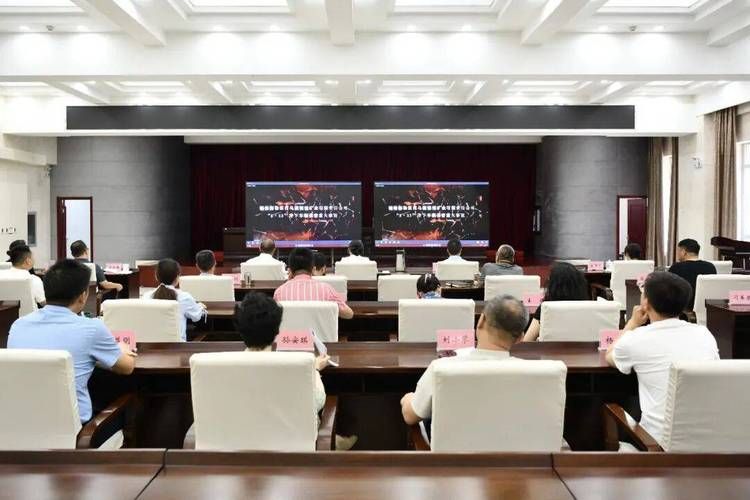
Diabetes, a typical chronic non-communicable disease, is particularly critical in the context of the country's strong drive to integrate the management of slow diseases with the management of “portal migration” and “control and sanitation”. Improving the effectiveness of treatment and improving the quality of life of patients through innovative patient education and scientific health management has become an important issue in the field of endocrines. In recent days, a pilot hospital visit to the 2025 diabetes quality management capacity improvement (ema) project has been successfully conducted at the first central hospital in tianjin city. At the event, we had the privilege of inviting professor lijun of the college to share his practical research on the education and science of diabetes patients in order to advance the development of a pluralistic, individualized and digital model of diabetes education。
International diabetes
What are the innovative initiatives being undertaken by your office in the areas of “personal education” and “physical lectures”
Professor duan lijun:
The concept of disease management is moving from passive treatment to active prevention, and the involvement of the medical, care and patient communities is central to improving the quality of management. In this context, our section has undertaken a number of innovative initiatives:
An experiential diet education: a catering contest for diabetics, a nutritionally balanced meal sticker, and a custom-made “healthy food” for traditional festivals;2 a variety of scientific writings: integration of diabetes prevention and treatment into accessible artistic expressions through short video, animation, cartoons, hand paintings, tweets and short plays, and acoustics;3 “diabetics together” public service lectures: one issue per month, involving multiple interactions between doctors, nurses, patients and family members; four self-determined learning platforms: production of a series of educational materials covering diabetes diets, sports, blood sugar surveillance, obesity management, etc., where patients have access to professional guidance based on their individual needs, making efficient use of fragmentation time; and five immersion sessions: launching of the sunflower programme for children/adolescent groups, integrating health education and interactive experiences. In short, our section is committed to breaking the limits of traditional one-way education, integrating health management into the scenes of patients ' daily lives and stimulating its core drive for self-management。
International diabetes
Please share a typical case of a type 2 diabetes (t2dm) patient with poor blood sugar control, disease and insufficient awareness of treatment, and how can innovative education and tools be used to help them develop a scientific vision of disease and to promote proactive collaboration in treatment leading to long-term stabilization of blood sugar
Professor duan lijun:
I am impressed by the case of a middle-aged male with an overweight occupation of university physical education teacher, admitted to hospital due to very high levels of blood sugar and diabetes. However, the patient strongly contradicted t2dm's diagnosis, believing that he could not have contracted the disease. Through multidimensional in-depth communication, combined with human composition analysis, laboratory examination results and assessment of the dietary structure, the scientific understanding of age growth, metabolic changes and total calorie overdose is central to the patient's morbidity。
After detoxicating from high sugar toxicity, the patients were contacted and jointly selected for treatment by the smegluper, who benefited from both sugar and weight reduction and multiple metabolism. At the same time, they are guided in the adaptation of their diets and use their professional advantages for quality physical intervention. After one year of treatment, the emptiness of blood sugar dropped to 5. 5 mmol/l, after two hours of meals to 7. 5 mmol/l, hba1c to 6. 0 per cent and weight loss to about 15 kg. Subsequently, patients stopped taking drugs, continued to maintain adapted dietary structures and sports habits, and conducted regular monthly follow-up visits. After three months of detoxification, the patient hba1c remained at 6. 0% and reviewed oral glucose tolerance tests (ogtt) and insulin release levels to t2dm relief。
The case confirms that combining innovative drugs with precision individualized education is a key path to improving dependence on treatment, long-term blood sugar stabilization and even disease mitigation。
International diabetes
In recent years, the insulin insulin-1 receptor agonizer (glp-1ra), represented by smegluper, has become a cure. In clinical practice, how can you integrate these innovative drugs with patient education strategies to increase patient acceptance and dependence
Professor duan lijun:
Maximizing the value of innovative medicines depends on accurate patient education. With regard to drugs such as smegrum, which have multiple benefits, we insist on a “patient-centred” approach that summarizes the “three-step communication approach” and delivers key messages in a clear and efficient manner through strategies such as the dismantling of drug knowledge, scenario education, interpretation tools and integration dynamics support。
First, abstract mechanisms can be visualized by means of a living metaphor. In the form of cartoon cards, media materials, etc., displaying the work of the drug in the body - intelligently regulating blood sugar levels to regulate insulin distribution, slowing down stomach drains, inhibiting appetites, etc., thus achieving the effects of sugar and weight reduction。
Second, emphasis is placed on individualized value, matching drug characteristics to the needs of the patient himself. Through scenario education, scientific research data are translated into perceived health benefits for patients — not only sugar, weight reduction, but also long-term care, kidney preservation. For example, in the sustain-6 study, smegroute significantly reduced the risk of major cardiovascular malformations by 26 per cent, and in the flow study, 24 per cent of the risk of major kidney complex endpoints, greatly enhancing patients ' therapeutic confidence。
Finally, full escort to manage expected adverse reactions. In advance, clear information is given to patients about the possible gastrointestinal reaction at the initial stage of the drug use, teaching them coping strategies such as diets, diets and meals, and emphasizing the scientific use of the term “low-dose start, slow-up” to avoid interruption of treatment due to initial discomfort, so that the entire range of escorts from “prescription” to “hospital achievement” is actually achieved。
International diabetes
The extension of in-house education outside the institution is a key element in achieving long-term patient management. What is the exploration and practice of your office in developing integrated hospital-community-family management closed loops using digital tools? What are the valuable experiences that deserve to be drawn upon at the grass-roots level
Professor duan lijun:
Patient discharge is not the end point of health management, but the starting point for continuity. Today, we have a seamless connection between in-house and out-of-hospital education through digital tools such as micro-credit, patient management app and smart hospitals. At the same time, with the introduction of wearable equipment, such as continuous blood sugar monitors, patient health data are synchronized in real time to the management platform, allowing for data-based and accurate intervention by health teams. This model of integrated hospital-community-family management extends professional medical care to the daily lives of patients。
Building a successful system of diabetes education requires systematic planning, with four main elements at its core: precision content, interdisciplinary collaboration, closed loop feedback and long-term assurance. Education must be people-centred and respectful of patients' preferences, needs and values; management requires multi-player synergy to develop dynamic optimization mechanisms through periodic assessments. For grass-roots health-care institutions, it is recommended to streamline core educational content and produce accessible information materials; to activate community power, train “star sugar friends” volunteers and build the power of peer support; and to make good use of existing tools, such as an active twitter community, as a cost-effective communication and education platform for patients and patients. In short, as long as patient-centred, adapted and innovative practices are maintained, all levels of health care can explore ways to manage high-quality diabetes for themselves。
Concluding remarks
High-quality management of diabetes should be based on patient education, with innovative drugs as a tool, digital technology as a wing, and ultimately a fundamental shift from disease control to health empowerment. This requires that we combine science, wisdom and humanistic care to fight side by side with the patient, to face the challenge of disease and to embrace a better quality of life. It is expected that these patient-centred models of innovative management will sow wider horizons and light the hopes of more patients。
Introduction by experts
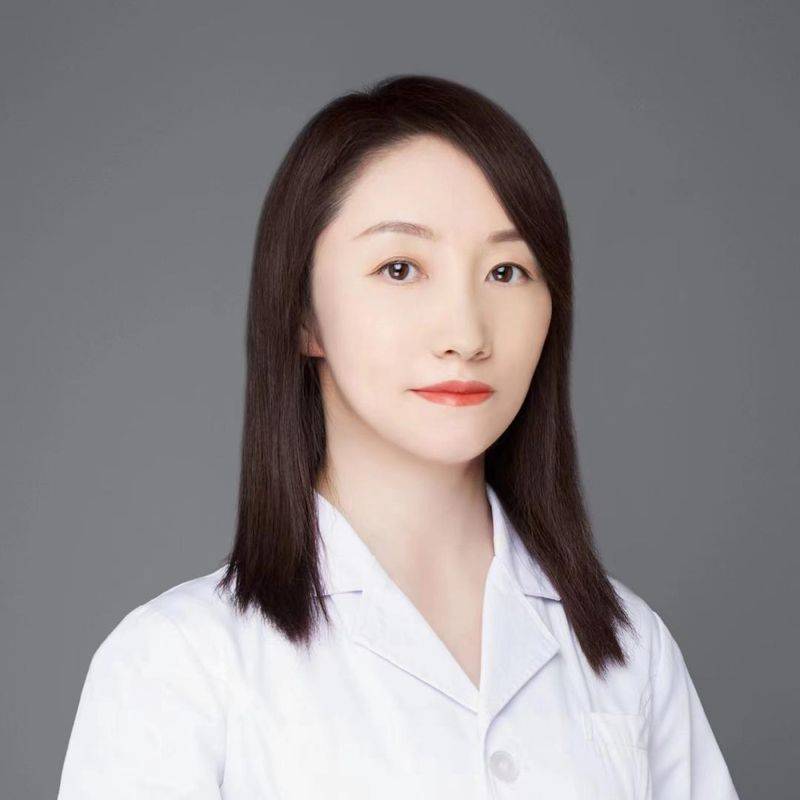
Duan lijun, professor