This is a crucial time for the elderly to have a high incidence of chronic diseases and rising health risks. In an effort to improve the health and self-care capacity of the elderly in the bailiwick, the social worker's station in nanto street, tiancai district, has recently launched a project entitled “happiness and health together” in the new village of the coast. The activities are supported by the theory of social support and the perspective of merit, with a total of six sections of systematic services covering 15 elderly persons, and the establishment of a network of “doors to the home” for elderly persons in the bailiwick by the professional social workers。
The event focused precisely on the health needs of older persons and progressively promoted services around the four core elements of disease prevention, scientific diets, birth control and psychological support, using the multifaceted form of “knowledge learning + hands-on training + fun interaction + professional diagnostics”。
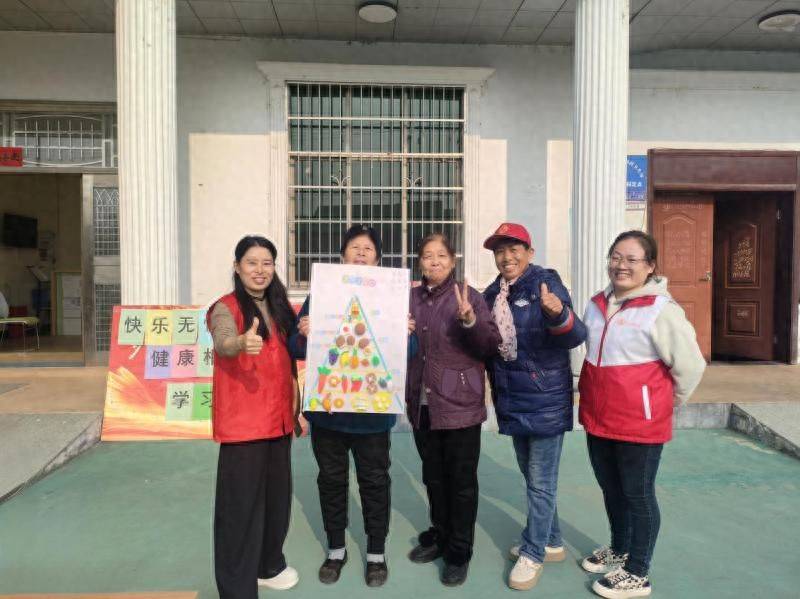
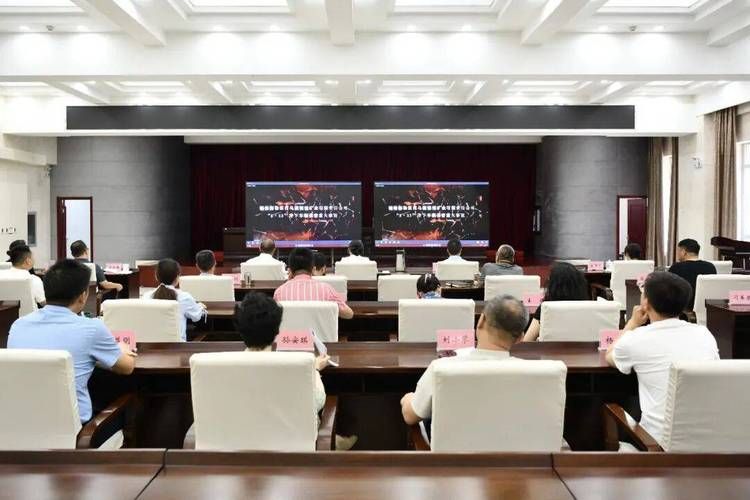
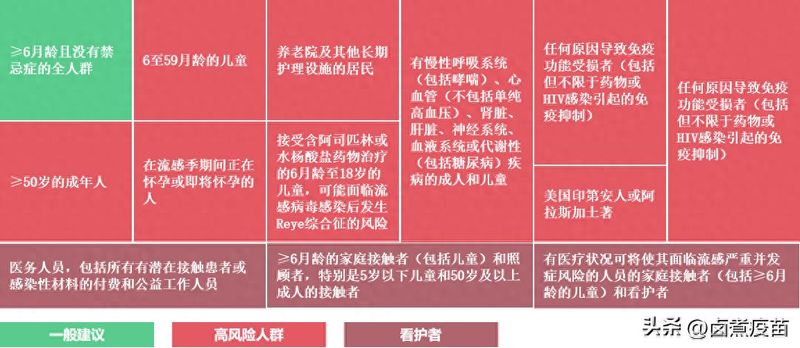
During the relationship-building and climate-building phase, social workers break the ice with a game of “high cups” to guide older people to work together on a group convention that quickly eliminates strangers and creates a safe and inclusive group environment. Starting with the second section, the group gradually moves into the skills learning and knowledge transfer chain: hand-to-fingered hand-to-hand training to promote circulation; hand-to-hand food pyramid courses to help the elderly visualize the proper mix of meals; lectures by community doctors on the prevention of common diseases such as winter and spring flu, hypertension, diabetes, etc., and on-site services such as blood pressure glucose measurements, middle-level physiotherapy and the delivery of professional health guidance to the elderly。
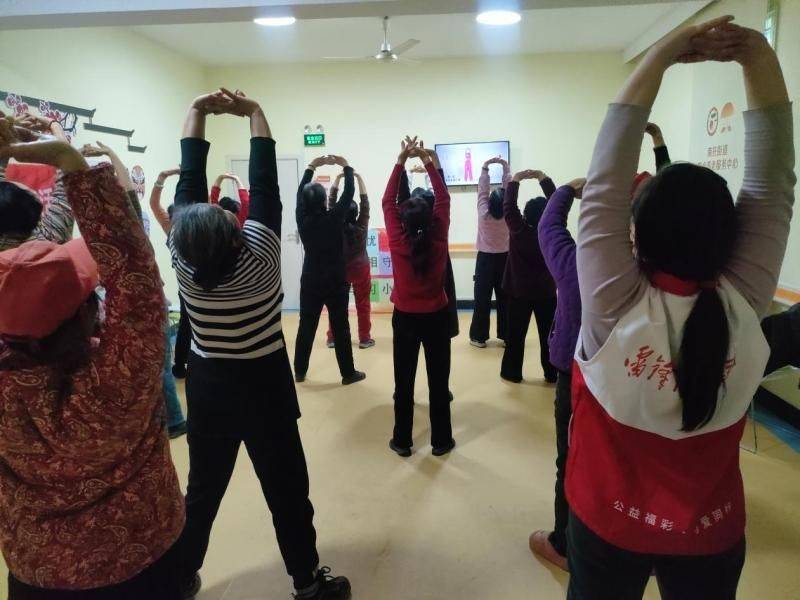
In the context of sports, the social work union (swi) community health services centre provides eight teaching sessions, one by one, to break down the movement, to combine respiratory guidance, to balance safety and learning accessibility, and to enable the elderly to stretch their bones and regulate their gas blood during the restive exercise. A lot of old people said, "it's not hard to follow, it's easy, it's better."
In order to consolidate learning outcomes, the group ends with a healthy knowledge pool, a comprehensive examination of disease prevention, diet, fingers, eight bands of knowledge, etc., in the form of answers, answers, etc. The old people are very active in answering questions and showing them, strengthening their memories in the light of their interactions, and achieving “isai for learning and learning for use”。
In terms of the effectiveness of professional services, the three objectives of the group, namely, knowledge, skills and emotions, were achieved with high quality: more than 90 per cent of older persons are able to state three or more points of prevention, 85 per cent are able to distinguish between levels of consumption in food pyramids and are skilled in fingering and eight fundamentals; the team has moved from passive participation to active sharing, mutual support, and group cohesion and the sense of belonging to the elderly has increased significantly。
The head of the south street social worker's station stated that the campaign was based on the real needs of the older population, integrating professional social workers' approaches with medical resources, both by promoting health literacy, upgrading health-care skills for the elderly, implementing the concept of the “silver age helper” service, and by providing peer support to alleviate the loneliness of the elderly, achieving a dual “body” and “heart” care, with the core requirement of “helping one another”. As a next step, street social workers'stations will use the event as a model to distil replicable and learning practical experiences, continuously optimize silver-age health services, and do their best to protect the defence of silver-age happiness。