A summary of the sports rehabilitation dissection points of liao shengwei
General description of anatomy
Anatomy is one of the basic disciplines of medicine and science of the relationship between the structure of objects and the organization of graduate students. It consists mainly of human and animal anatomy. Human anatomy is the science of human tectonics and an important basic discipline in biomedical science. Animal anatomy, on the other hand, is a scientific study of the external structure of various animals and an important branch of biology. Anatomy is widely used in medicine, especially in the field of physical rehabilitation。
️2, anatomy point for physical rehabilitation
The physical rehabilitation knowledge points include, inter alia, skeletal system anatomy, muscle system anatomy, joint system anatomy and nervous system anatomy。
1. Skeletal system autopsy
The skeletal system is the strongest frame for the human body and consists of bones and joints. Bones play an important role in the protection of important organs of the human body, the maintenance of body form, the support of body gravity, the protection of dirty instruments and the storage of minerals. The joint, on the other hand, is the part that connects the bones and enables the various parts of the body to coordinate their movements and to absorb the vibrations of their movements。
Anatomy knowledge point:
1 composition of the skeletal system: the human skeletal system consists of 206 skeletal bones, consisting mainly of skulls, torso bones, limbs and pelvis. Bones are connected through joints。
Functions of the 2 skeletal system: the main functions of the skeletal system include support, protection, blood generation, mineral storage and movement。
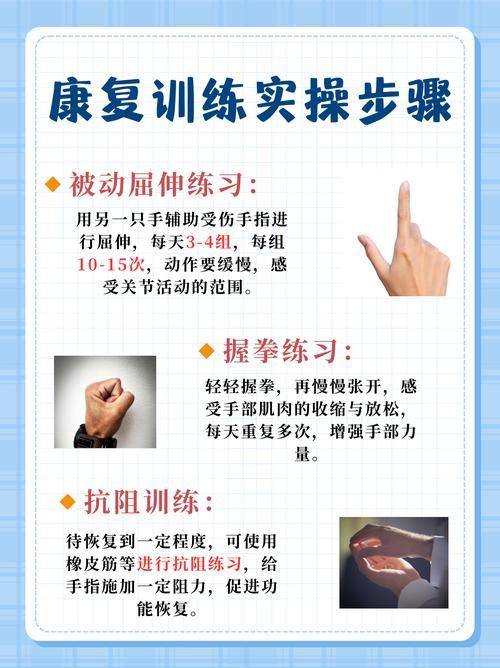
Growth, development and restoration of the bones: the bones are constantly changing during growth and development, while fractures and fracture healing are also issues requiring attention during physical rehabilitation。
2. Muscle system anatomy
The muscular system is one of the motor systems of the human body and consists of muscles and ligaments. The muscles can be connected to the bones by muscles, and the movement and movement of humans can be achieved by contraction and relaxation. Resiliency is the tissue that connects the bones and bones and acts as a stabilizing and supportive force。
Anatomy knowledge point:
1 composition of muscles: there are nearly 700 muscles in the human body, divided into bone muscles, myocardial muscles and smoother muscles. The skeletal muscles are responsible for the movement of the human body, the heart muscles are an important part of the heart, and the smooth muscles are mainly found in internal organs。
2 muscle function: the main functions of muscle include motion, support, protection and heat generation。
Neural regulation of muscles: the movement of muscles needs to be regulated through the nervous system, which transmits the instructions received to the muscles, thus enabling the movement and movement of humans。
3. Artificial section
The joint system consists mainly of bones, joint bladders, the liquids within the joint bladders and the ligaments. The joint is the part that connects the bone, allowing the various parts of the body to coordinate movement and absorb motion vibrations。
Anatomy knowledge point:
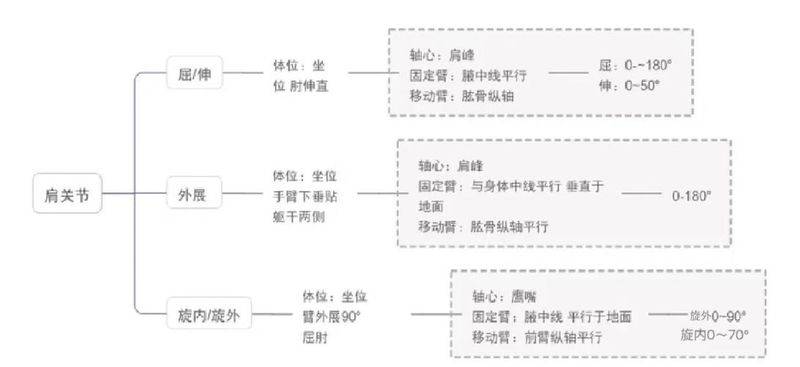
Classification of joints: depending on the manner in which the bones are connected, the joints can be divided into various types such as glitch joints, bone cartilage joints, fibre link joints and cartilage link joints。
Structure of 2 joints: the joints include components such as joint cavity, joint bladders, joint cartilages and internal fluids。
Function of joints: the joints play an important role in the movement of human beings, which enables the various parts of the body to coordinate and absorb the vibrations of the movement。
4. Neuro-system anatomy
The nervous system is one of the regulating systems of the human body and includes both the central nervous system and the surrounding nervous system. The central nervous system includes the brain and spinal cord, while the surrounding nervous system includes the brain and spinal nerves, among others。
Anatomy knowledge point:
1 composition of the nervous system: the nervous system includes both the central nervous system and the surrounding nervous system。
2 functions of the nervous system: the nervous system is responsible for the perception, exercise control and regulation of internal and internal functions of the human body。
3 diseases of the nervous system: diseases of the nervous system are issues requiring attention in motor rehabilitation, and common diseases of the nervous system include strokes, concussions and spinal cord damage。
️3. The clinical application of sports rehabilitation anatomy
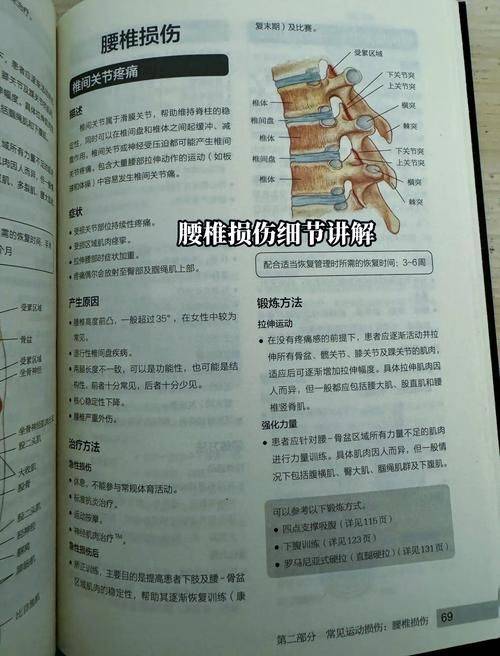
Physical rehabilitation anatomy has important application value in clinical settings and plays a crucial role in the field of physical rehabilitation。
1. Physical rehabilitation
Physical rehabilitation anatomy is essential for rehabilitation treatment, understanding the relationship between the structure and organization of the body and helping medical personnel to better develop rehabilitation programmes and training。
2. Physical injury prevention
Physical rehabilitation anatomical knowledge can help athletes and trainers to better understand the functioning of human structures and musculoskeletal systems, thus developing more scientific sports training programmes to prevent physical damage。
3. Guidance for physical rehabilitation
Physical rehabilitation anatomy can help rehabilitation therapists to better understand the structure and function of the body, thus improving rehabilitation training and guidance。
Concluding remarks
Physical rehabilitation anatomy is an important component of physical rehabilitation and is important for understanding and analysing the relationship between human structures and tissues. Therefore, sports rehabilitation professionals need to be better informed about anatomy in order to provide better rehabilitation treatment and guidance. This is only a brief summary of the points of knowledge on the rehabilitation of sports。