Industrial robotic overhaul and maintenance
With the rapid development of industrial automation, industrial robots are widely used in all areas of manufacturing. In order to ensure the proper operation of industrial robots and the extension of their useful lives, repairs and maintenance are particularly important. This paper will provide a detailed description of industrial robotics for overhaul and maintenance, providing the necessary expertise and practical guidance to relevant practitioners。
Overview of industrial robots
Industrial robots are robotic systems capable of performing tasks automatically, often consisting of multiple parts of mechanical structures, control systems and implementers. Industrial robots are highly efficient, stable and reliable and can work long hours in harsh conditions. However, due to long-term use and environmental factors, industrial robots may also experience a variety of failures, so overhaul and maintenance work is critical。
Ii. Importance of overhaul and maintenance
1. Ensuring the proper functioning of robots: through periodic overhaul and maintenance, the robot's various components can be ensured in good condition, thereby ensuring the normal functioning of robots。
2. Extension of useful life: timely overhaul and maintenance can identify and repair potential problems in a timely manner, thereby extending the useful life of robots。
3. Improving production efficiency: maintaining robotics in good condition can improve production efficiency and reduce production costs。
Iii. Research and maintenance technology
1. Periodic inspections: periodic inspections of robots, including mechanical structures, electrical systems, control systems, etc. During inspections, attention should be paid to abnormal conditions of robotic operation, vibration, temperature, etc。
Mechanical structural maintenance: inspection of parts such as joints, bearings, gears, etc. Of robots to ensure that they are not worn, relaxed or leaked. Regular replacement of lubricants and maintenance of mechanical structures。
3. Maintenance of electrical systems: inspection of electrical components such as cables, terminals and electrical appliances to ensure that they are not damaged or ageing. Regular clean-up of dust and dirt in the electrical system and maintenance of cleaning of the electrical system。
4. Control system maintenance: check the software and hardware of the control system to ensure the proper functioning of the system. Regular backup system data to prevent data loss。
5. Disability diagnosis and removal: when a robot fails, a failure diagnosis should first be performed to determine the cause and location of the failure. Based on failure information, appropriate measures were taken to repair the damage. Complex malfunctions can be checked with specialized diagnostic tools and equipment。
6. Preventive maintenance: in addition to periodic overhauls, preventive maintenance should be carried out, including periodic replacement of vulnerable items and optimization of robotic operating parameters. Preventive maintenance reduces the probability of failure and increases the operational efficiency of robots。
7. Backup and upgrade: system data and control procedures for regular backup robots to prevent data loss. At the same time, attention is paid to information on the upgrading of control systems and the timely upgrading of systems to improve robot performance and use experience。
Iv. Notes
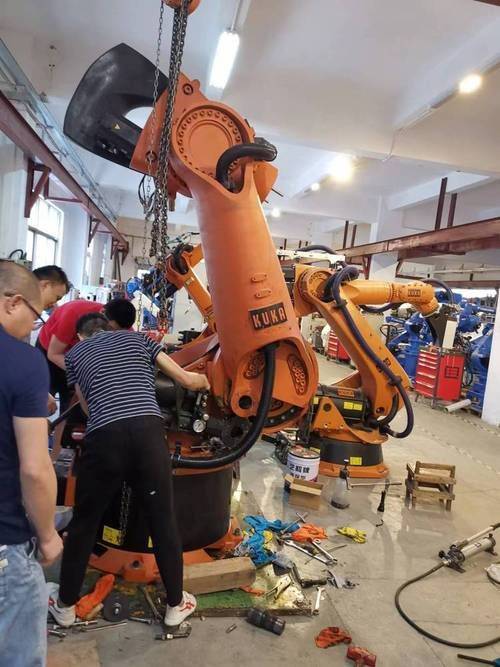
1. Safety first: when performing inspections and maintenance, strict safety protocols shall be observed to ensure physical safety。
2. Professional training: inspection and maintenance should be carried out by professionals to ensure the accuracy and safety of operations。
3. Comply with the plant's proposal to perform repairs and maintenance work in accordance with the maintenance manuals and recommendations provided by the plant to ensure the normal operation and extended useful life of the robot。
The overhaul and maintenance of industrial robots is important to ensure their proper operation and to extend their useful lives. This paper presents the technology for the overhaul and maintenance of industrial robots, including periodic inspections, maintenance of mechanical structures, maintenance of electrical systems, maintenance of control systems, failure diagnosis and removal, preventive maintenance and backup and upgrading. In practical applications, measures to ensure the good state of robots should be tailored to specific circumstances。
Industrial robotic overhaul and maintenance
With the rapid development of industrial automation, industrial robots are widely used in all areas of manufacturing. In order to ensure the proper functioning of industrial robots and to extend their useful life, overhaul and maintenance techniques are particularly important. This paper will provide detailed information on industrial robotics and maintenance techniques to help readers better understand and master relevant skills。
Overview of industrial robots
Industrial robots are an automated machine system that is widely used in industrial production areas such as welding, assembly, handling, composing and testing. Industrial robots are made up of components such as controllers, drives, mechanical structures, etc., and have high accuracy, efficiency and reliability。
Ii. Methodology
1. General inspections
Conventional inspections are the basis for the maintenance of industrial robots, mainly to check the normality of robotic structures, electrical systems, sensors, etc. The checks need to be carried out with regard to the robot's operational status, noise, vibration, etc., and to identify potential problems in a timely manner。
2. Disorder diagnosis
When robots fail, failure diagnosis is required. The diagnosis of failure can be done through observation, hearing, touch, etc., with the help of fault diagnostic instruments and tools such as oscillators, universal meters, etc. The diagnosis process requires an understanding of the failure phenomenon, analysis of the cause of the failure and appropriate measures to address it。
3. Maintenance process
During maintenance, certain processes are followed. First, to understand the failure of robots and their maintenance history; second, to analyse the cause of the failure and determine the maintenance programme; then to operate under the maintenance programme to replace damaged components; and, finally, to perform debugging and testing to ensure that robots return to normal operation。
Iii. Maintenance techniques
Preventive maintenance
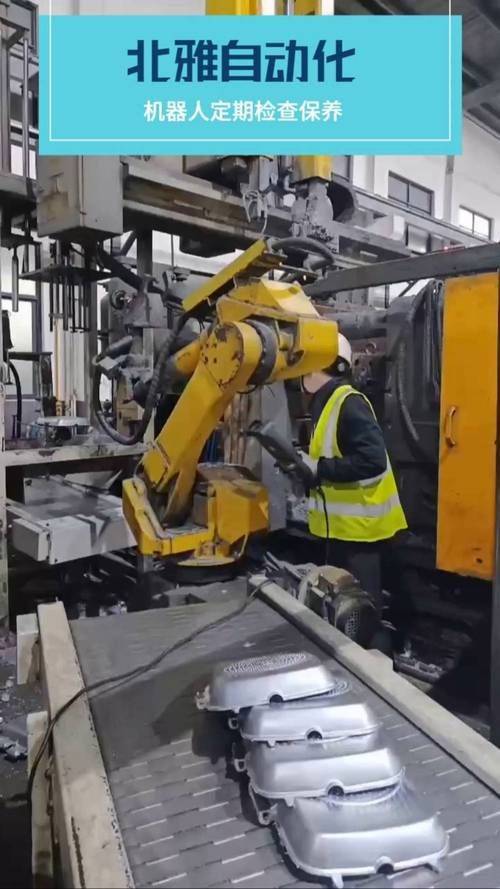
Preventive maintenance is an important means of maintaining robotic performance. The robots are regularly inspected, cleaned and secured to prevent malfunctions. Preventive maintenance includes periodic inspections of wear and tear of parts such as mechanical structures, electrical systems, sensors and the timely replacement of severely worn components。
2. Lubrication management
Lubrication management is an important component of robotic maintenance. The various parts of the robot are regularly lubricated to ensure the proper functioning of the mechanical structure. In the case of lubricants, care should be taken of the type, quantity and replacement period of the lubricant in order to avoid failure of the robot due to inappropriate lubrication。
3. Maintenance of controllers and drivers
Controls and drivers are core parts of robots and require special attention. Periodically check the operational status of the controller and drive to ensure their normal operation. If anomalies are detected, damaged components should be processed and replaced in a timely manner。
Iv. Notes
1. Safety first
Safety is paramount in robotic overhaul and maintenance. It is important to follow robotic safety protocols to ensure physical safety and the safety of equipment。
2. Professional training
Professional knowledge and skills are required to overhaul and maintain industrial robots. Operators need professional training in robotic structures, principles and maintenance methods to ensure quality and efficiency of maintenance。
3. Compliance with plant regulations
Industrial robots may differ from one manufacturer to another and are subject to factory requirements for overhaul and maintenance. Use original plant accessories and tools to ensure robot performance and lifetime。
The rehabilitation and maintenance of industrial robots is important to ensure their proper functioning and to extend their useful lives. Operators need to be aware of and equipped with relevant skills and comply with safety protocols and plant requirements to ensure the quality and efficiency of inspections and maintenance。
The articles on industrial robotic overhaul and maintenance technologies could contain the following core elements:
Introduction
Briefly describe the importance of industrial robotic overhaul and maintenance, and the growing demand for industrial robotic overhaul and maintenance technologies as industrial automation becomes more widespread。
Overview of industrial robots
Briefly describe the basic concepts, areas of application and main components of industrial robotics, and prepare the way for follow-up presentations on overhaul and maintenance techniques。
Iii. Industrial robotic overhaul techniques
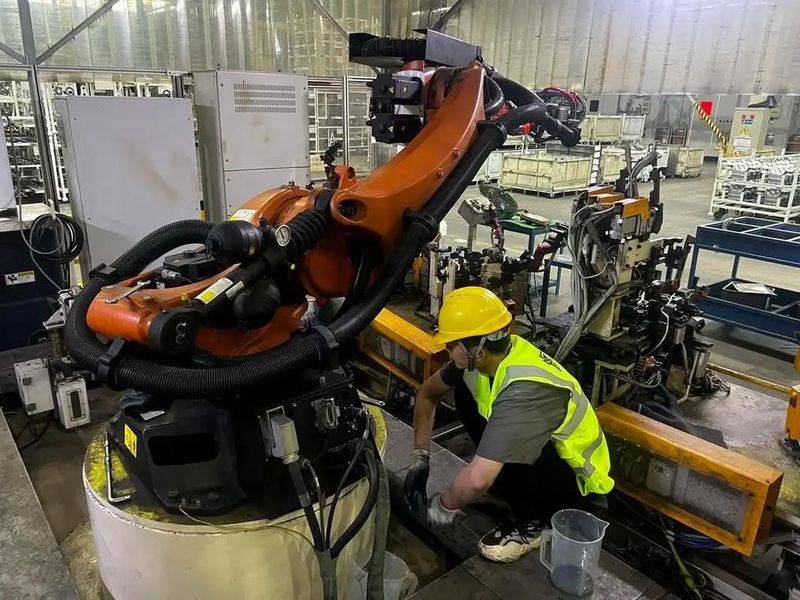
Detail the basic steps and methods of industrial robotic overhaul, including:
1. The daily inspection content of robots, such as mechanical structures, electrical systems, sensors, etc。
Common trouble analysis and diagnostic methods, such as failure diagnosis through software tools, analysis of data, etc。
3. Maintenance strategies and processes, including spare parts replacement, system calibration, etc。
Iv. Maintenance techniques for industrial robots
Details of the maintenance processes and technologies of industrial robots, including:
Regular maintenance plans, including routine inspections and regular maintenance plans。
2. Replacement cycles and standards for lubricants and vulnerable items。
3. Care and safety practices in the maintenance process。
V. Case analysis
Practical examples of the practical operation and problems encountered by industrial robots in the process of repair and maintenance, as well as solutions. This helps readers to better understand the practical application of overhaul and maintenance techniques。
Vi. Trends and prospects
Discussion of trends in industrial robotic overhaul and maintenance technologies and possible future challenges and opportunities. At the same time, proposals for learning and further training are being made to encourage readers to continue learning and master new technologies。
Conclusion
The full summary highlights the importance of industrial robotic overhaul and maintenance technologies and encourages readers to build experience and skills in practice。
In writing articles, parts should be concise and clear, avoiding the use of overly complex sentences and terminology. Articles can be made more lively and comprehensible through the use of graphics, pictures, etc. At the same time, care should be taken to maintain an objective and neutral position and to avoid excessive publicity or exaggeration。