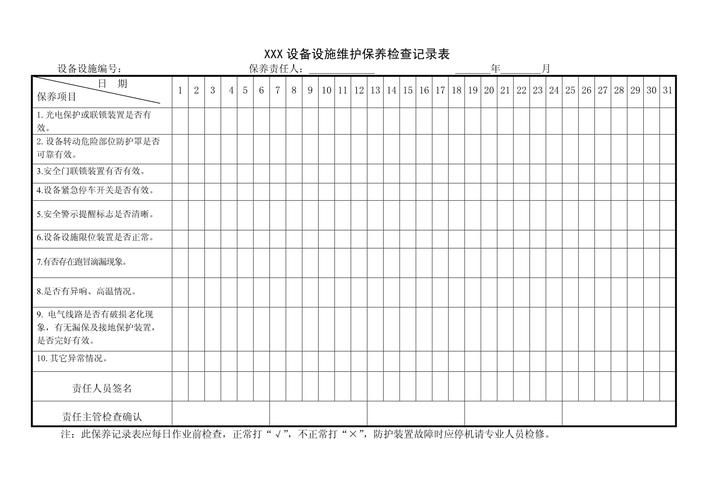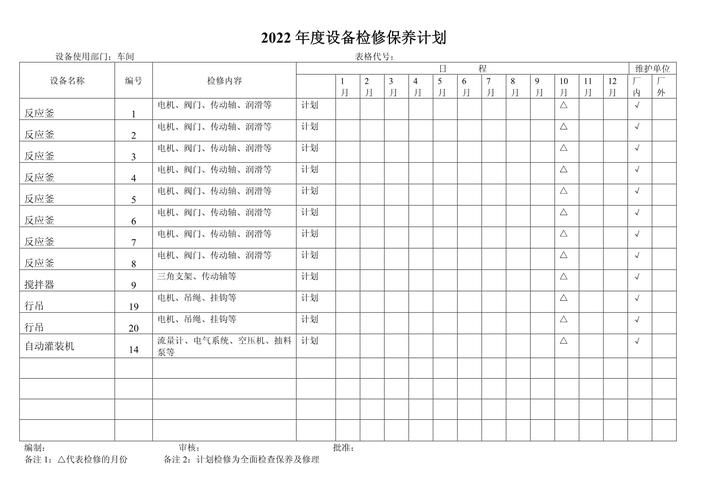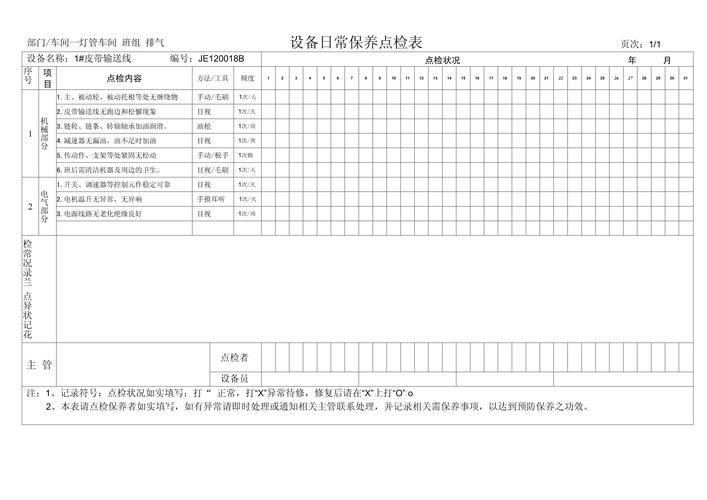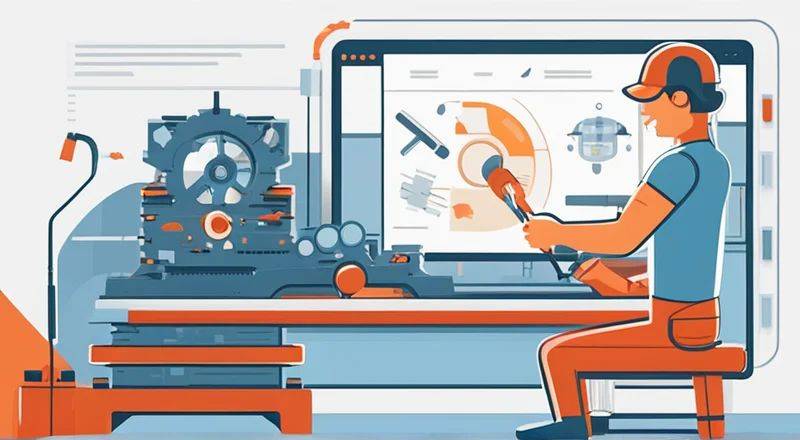
Training in the repair and maintenance of equipment is essential to ensure the efficient operation of equipment over time. Improving the reliability of equipment, extending its life, reducing maintenance costs and upgrading the skills of operators are the main objectives of such training. First, improving the reliability of equipment can significantly reduce the downtime caused by equipment failure in the production process, thereby improving production efficiency. Through training, operators are able to understand the common malfunctions and early warning signals of equipment and are thus able to take timely measures to prevent minor malfunctions from becoming a major problem. This reduces not only maintenance time but also maintenance costs。
I. Reliability of equipment and training
The reliability of equipment is directly related to the stability and production of production lines. Through training in system equipment repair and maintenance, operators can learn how to perform preventive maintenance. Preventive maintenance emphasizes inspection and repair before equipment malfunctions occur to prevent equipment malfunctions. The training usually includes routine equipment inspections, lubricating, securing and adjusting operations. Through these operations, potential problems can be identified and removed in a timely manner to ensure that the equipment operates in optimal condition. The training also helps operators to master the basic working principles of the equipment and the solutions to common malfunctions, enabling them to deal with equipment malfunctions quickly and efficiently and to improve the reliability of the operation of the equipment。
Ii. Extension of equipment life
The lifetime of the equipment is closely related to the way it is used and maintained. Correct equipment maintenance and maintenance methods can significantly extend the service life of the equipment, thereby reducing the frequency and cost of replacement. In equipment repair and maintenance training, operators will learn how to operate and maintain the equipment correctly. For example, how to use the lubricants correctly, how to adjust the working parameters of the equipment, and how to clean the equipment. These operations not only prevent premature wear and tear, but also maintain the stability of the equipment. In addition, the training will help operators to understand the maintenance cycles and plans of the equipment so that they can maintain it as planned, thereby extending the useful life of the equipment。
Iii. Reducing maintenance costs
Maintenance costs of equipment are an important part of the operating costs of enterprises. Through training in equipment repair and maintenance, operators can learn how to effectively maintain and repair, thereby reducing maintenance costs. The training usually includes equipment failure diagnosis and removal methods, maintenance techniques for common malfunctions, and the use of maintenance tools. Through these trainings, operators can acquire maintenance skills for equipment and reduce dependence on external maintenance services, thereby reducing maintenance costs. In addition, the training will help operators to understand the maintenance cycles and plans of the equipment, enabling them to perform the maintenance as planned and reduce equipment failure, thereby reducing maintenance costs。
Improving the skills of operators
Equipment repair and maintenance training will significantly improve the skills of operators to enable them to better operate and maintain equipment. The training usually includes the basic working principles of the equipment, the resolution of common failures, the basic operation of maintenance and maintenance. Through these trainings, operators can acquire the basic knowledge and skills of the equipment and improve their operational and maintenance capabilities. In addition, training helps operators to understand state-of-the-art technology and state-of-the-art maintenance methods of equipment, enabling them to continuously upgrade their skills and adapt to equipment development and change。
V. Implementation and evaluation of the impact of training
The implementation of equipment repair and maintenance training requires scientific plans and methods. First, a training plan needs to be developed, taking into account the characteristics of the equipment and the realities of the operator. The training plan should include the objectives, content, timing, modalities, etc. Of the training. Second, appropriate forms of training need to be chosen, such as classroom teaching, practical work, online learning, etc. The training process needs to be based on a combination of theory and practice to ensure that practitioners are able to apply the knowledge gained to their practical work. Finally, there is a need to assess the effectiveness of the training, to test the results of the operator's learning through examinations, hands-on demonstrations and to refine and optimize the results。
Maintenance and repair of common equipment
Different types of equipment have different methods of repair and maintenance. In equipment repair and maintenance training, operators need to learn how to repair and maintain different types of equipment. For mechanical equipment, for example, operators need to know their basic operations, such as lubrication, hardening, adjustment, etc.; for electrical equipment, operators need to know their circuit principles, failure diagnostic methods, etc.; for automation equipment, operators need to know the working principles and maintenance methods of their control systems, sensors, etc. By learning about these elements, operators have access to the repair and maintenance methods of different types of equipment to improve their operational and maintenance capabilities。
Preventive and predictive maintenance
Preventive maintenance and forecasting maintenance are important methods of repair and maintenance of equipment. Preventive maintenance emphasizes inspection and repair prior to equipment failure to prevent equipment failure. Predictive maintenance is performed by monitoring the operational status of the equipment, predicting the failure of the equipment and maintaining it before it occurs. Through training, operators learn methods and techniques for preventive and predictive maintenance. For example, how to conduct routine inspections of equipment, how to use monitoring equipment for state monitoring and how to analyse monitoring data predicting equipment malfunctions. Through these methods, operators can identify and remove potential equipment problems in a timely manner and ensure the proper functioning of the equipment。
Viii. Equipment management and maintenance information system
The equipment management and maintenance information system is an important tool for equipment repair and maintenance. Through the equipment management and maintenance information system, operators are able to record and manage the equipment's operational status, malfunctions, maintenance of records, etc. In the course of training, operators need to learn how to use equipment management and maintenance information systems, such as how to enter and query equipment information, how to generate maintenance plans and reports, how to analyse the equipment's operating data, etc. Through equipment management and maintenance information systems, operators can better manage and maintain equipment and improve its operational efficiency and reliability。
Emergency maintenance and trouble management
Emergency repairs and trouble management are important elements of equipment repair and maintenance. In equipment repair and maintenance training, operators need to learn the methods and techniques of emergency repairs and trouble management. For example, how to rapidly diagnose and defuse equipment failures, how to use maintenance tools for emergency maintenance and how to develop contingency plans. Through these trainings, operators can improve their emergency maintenance and trouble management capabilities to ensure that equipment can be repaired in a timely manner in the event of failure and to reduce the impact of the failure on production。
X. Security management for maintenance of equipment
The security management of equipment maintenance is an important element of equipment repair and maintenance. In equipment repair and maintenance training, operators need to learn about security management for equipment maintenance. For example, how to identify and protect against security hazards in the maintenance of equipment, how to use safety protection equipment correctly, and how to deal with safety incidents in the maintenance of equipment. Through these trainings, operators can enhance their safety awareness and skills, ensure the safety of equipment maintenance and prevent safety incidents。
Xi. Environmentally sound management of equipment maintenance
Environmental management of equipment maintenance is an important component of equipment repair and maintenance. In equipment repair and maintenance training, operators need to learn about environmental management of equipment maintenance. For example, how to reduce pollution in the maintenance of equipment, how to treat waste in the maintenance of equipment and how to improve the environmental performance of equipment. Through these trainings, operators can enhance their environmental awareness and skills, ensure environmental protection in the maintenance of equipment and reduce its environmental impact。
Cost management for maintenance of equipment
Cost management of equipment maintenance is an important element of equipment repair and maintenance. In equipment repair and maintenance training, operators need to learn about cost management for equipment maintenance. For example, how to budget for equipment maintenance, how to control the cost of equipment maintenance and how to improve the economic efficiency of equipment maintenance. Through these trainings, operators can improve their cost management capabilities, reduce the cost of maintenance of equipment and increase the cost-effectiveness of equipment。
Xiii. Technological innovations in equipment maintenance
Technological innovation in equipment maintenance is an important element of equipment repair and maintenance. In equipment repair and maintenance training, operators need to learn about technological innovations in equipment maintenance. For example, how to apply new technologies to improve equipment maintenance efficiency, how to develop new equipment to improve equipment maintenance performance, and how to promote new technologies to improve equipment maintenance. Through these trainings, operators can improve their technological innovation capabilities, promote technological advances in equipment maintenance and improve the efficiency and reliability of equipment operations。
Xiv. Team-building for equipment maintenance
Team-building for equipment maintenance is an important element of equipment repair and maintenance. In equipment repair and maintenance training, operators need to learn about team-building for equipment maintenance. For example, how equipment maintenance teams can be formed, how to improve the team's collaborative capacity and how to motivate the team to work. Through these trainings, operators can build the capacity of their teams, establish an efficient equipment maintenance team and improve the efficiency and quality of maintenance of equipment。
Career development for maintenance of equipment
Career development for equipment maintenance is an important element of equipment repair and maintenance. In equipment repair and maintenance training, operators need to learn about career development in equipment maintenance. For example, how to plan career paths for equipment maintenance, how to improve vocational skills for equipment maintenance, and how to achieve occupational goals for equipment maintenance. Through these trainings, operators can improve their career development capabilities, achieve their career development goals and enhance their career satisfaction and motivation。
International exchange of equipment maintenance
The international exchange of equipment maintenance is an important element of equipment repair and maintenance. In equipment repair and maintenance training, operators need to learn about international exchange of knowledge on equipment maintenance. For example, how to participate in international exchanges on equipment maintenance, how to learn from international best practices in equipment maintenance and how to promote international excellence in equipment maintenance. Through these trainings, operators can improve their international communication capabilities, broaden their international horizons and improve their level of equipment maintenance。
Through training in system equipment repair and maintenance, operators can improve their overall equipment maintenance capabilities, improve the efficiency and reliability of the equipment and provide strong safeguards for enterprise development。
Questions and answers
Why is training in equipment repair and maintenance important
Equipment repair and maintenance training is an important element in ensuring efficient and stable operation of equipment. In modern industries, the normal functioning of equipment directly affects productivity and business profits. Thus, regular training in equipment repair and maintenance not only enhances the professional skills of staff, but also helps to reduce equipment failure rates and prolong equipment life. Through systematic training, staff have access to equipment protocols, maintenance points and troubleshooting techniques, thereby improving efficiency and reducing maintenance costs。
What are the elements of equipment repair and maintenance training
Equipment repair and maintenance training usually covers multiple aspects. First, the training sessions introduce the basic structure and working principles of the equipment and provide staff with an understanding of how it works and how it works. Second, the training will provide detailed information on the daily maintenance and maintenance methods of the equipment, including lubricants, cleaning, inspection and adjustment. In addition, the diagnosis and removal of malfunctions is an important part of the training, and staff need to learn how to identify common failures and their causes and develop appropriate maintenance skills. Finally, security precautions are an integral part of training, ensuring that staff members are able to follow safety protocols when repairing and maintaining equipment and avoid accidents。
How can the effectiveness of equipment repair and maintenance training be assessed
Assessing the effectiveness of equipment repair and maintenance training can be done in a variety of ways. First, staff knowledge of the content of the training can be obtained through pre- and post-training examinations or evaluations. Second, the practical impact of the training could be assessed through the performance of observer workers in practice, such as the frequency and quality of maintenance of equipment and the timeliness of failure screening. In addition, enterprises can collect feedback from staff on whether they feel confident after training and are better equipped to repair and maintain equipment. Through these methods, enterprises can continuously optimize training content and improve the relevance and effectiveness of training to achieve better equipment management and maintenance。
In general, equipment repair and maintenance training is an important component of enterprise management and, through systematic training, effectively upgrades the professional skills of staff and ensures efficient operation of equipment。
A good zero code development platform is recommended, with a management software in five minutes: