Shenzhen's first-line city building will not be transferred
The "new deal for real estate saving" that was introduced yesterday by the city's capital city government has provoked the sensitive nerves of the real estate market。
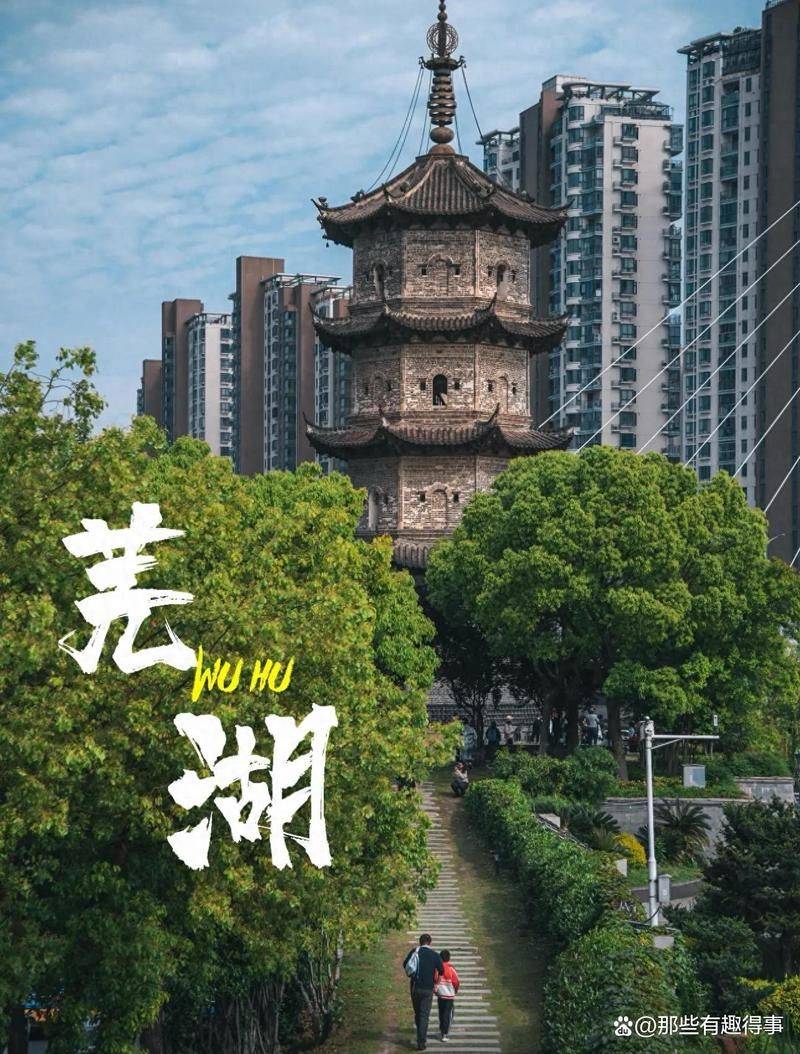
In an interview with the securities times journalist, song ding, director of the centre for tourism and real estate studies in shenzhen city, stated that the real estate policy of lake joun was very contagious. If the central policy does not react quickly and does not stop in time, other secondary and tertiary cities in the country, including chu, are likely to follow suit. “with regard to real estate, cities on the 2nd and 3rd line do not have as much room for manoeuvre as those on the 1st line, and there are too few ways and means to cope with mitigation, and therefore are more stressful.”
In fact, in line with the new deal for lake sun, the second and third-line cities of the pearl triangle have also been trying to regulate the buildings. Last year, fukuyama's limited purchase order was untied for a day and called the shortest new deal in history. On the one hand, local government pressure on real estate regulation was demonstrated, while on the other hand, pressure to shift away from real estate regulation policy was also warned. In addition, the maximum price limit for the city of nakayama has recently been raised to $6590/m2, an increase of $790/m2 from last year. Song tin believes that these places are, as in the case of the lake, disguised deregulation。
However, in the light of the current situation in shenzhen, the new deal may not have much impact. Following yesterday's exposure to the new deal on housing in shenzhen city, lee yoo-ji, managing director of the south china shenzhen district of shenzhen, stated that this would have an impact on the cities of the 2nd and 3rd line, but not on shenzhen, “the price of housing in shenzhen has increased too much in previous years and a process of lowering it is required”. At the same time, he pointed out that the more important reason was that shenzhen had always been the national leader of real estate and the focus of social attention, and that if shenzhen had eased its purchases, other cities, as well as the country's housing regulation and direction, would not have been blocked。
At the shenzhen two meetings in 2012, the mayor of shenzhen said, in response to journalists' questions, “shenzhen, as a front-line city, remains an area with high housing prices, and we will continue to take effective measures to effectively curb the rapid rise in housing prices”. In response to the question as to whether real estate regulation would be relaxed, he said: “as part of the state's policy on real estate regulation is being pursued firmly, and taking into account the reality in shenzhen, a substantial proportion of urban renewal housing construction and commodity construction projects is being carried out with guaranteed housing, further increasing the supply of secure housing, optimizing housing structures and effectively reducing market prices.”
While there has been no relaxation in real estate regulation policies, there has been a marked easing of credit policies in shenzhen real estate after the spring season, and a general return to the base rate of 5-10 per cent for loans, particularly for first-class housing, is also expected to contribute to some increase in turnover. Song tin stated that the current policy was not aimed at possible price reductions, but rather at facilitating a deal because there was no trade, which would have a direct impact on local real estate sales and development, land revenues from local policies and employment. "however, these problems do not exist in cities like shenzhen." song tin said