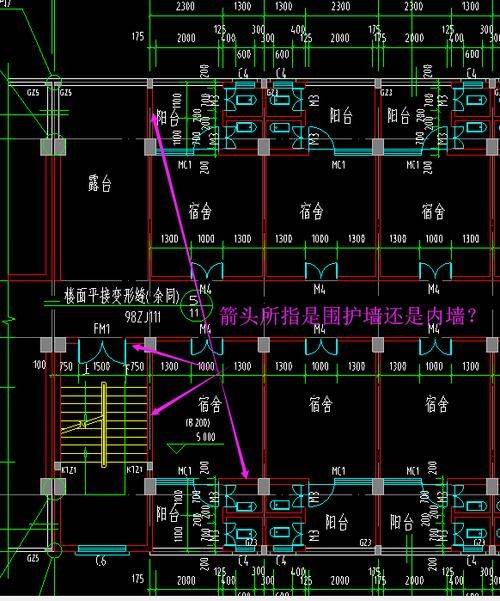
The distinction between the inner wall and the outer wall is, first, that according to the plan, it is possible to distinguish directly between what is an outer wall and what is an inner wall, if it is a wall that is in direct contact with the outside, which is marked on the plan by the outer contours of the outer wall, and, secondly, that according to the position of the building, the interior wall can be seen only through the inside of the building or through the doors and windows, while the outer wall is a wall along the outer edge of the building。
1 based on plan
Distinguishing the inner wall from the outer wall can be seen intuitively through the plan. Because the outer wall is above the plan, if it is in contact with the outside world, and if it is clearly marked on the plan, it is the outer outline, and the inner wall is the entire wall within the outer wall, which can be identified。
2. Depending on the location of the building
The wall, which can be seen directly from inside the building or directly through the doors and windows, is the interior wall. The outer wall is a wall laid along the perimeter of the building, which is known as the outer wall. The inner walls are indoors and can function in a fragmented manner。
What's the point of the interior decoration
1. Appearance
The inner walls can be largely divided, and some of them can carry weight. In the case of interior wall decorations, it is first necessary to perform aesthetically and decoratively. In the case of decorating, material for refurbishment is first selected and can be determined by combining the style of the home or personal preference, including the economic budget. For example, the choice is made between emulsion paint or wallpaper, and if the space is larger, the choice is also made between stone or wall panels。
2. Waterproofness
The interior wall also needs to be waterproof, so the interior wall needs to be painted with waterproof material when decorating, when it is eastside or when it rains frequently, and the outer wall is not waterproof. Waterproofing materials are also required in rooms such as bathroom shower spaces and other walls. The showers need to be painted with walls, while other regions can do 30 centimetres to increase water resistance。
3. Temperature
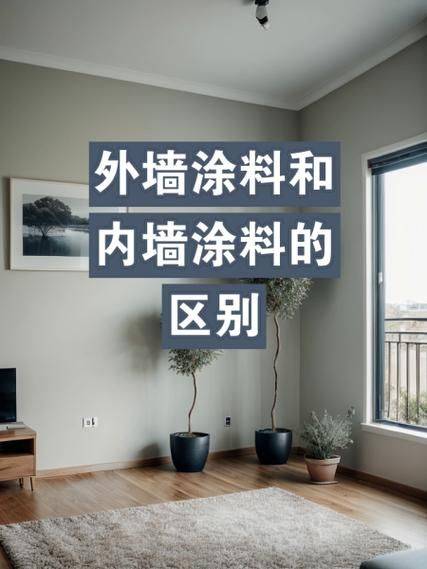
The interior wall renovation also needs to have a temperature-preservation effect and the selection of suitable temperature-preservation materials. For example, through extruded or rubber panels, these materials can provide better insulation, temperature protection and increased requirements for conservation。
4. Soundproofness
Especially in the bedroom, the wall is decorated to soundproof. Indoor sound-proofing allows the wall to choose the combination of separators or plaster panels, so as to effectively isolate the transmission of sound。
What are the requirements for the outside wall
1. Patience
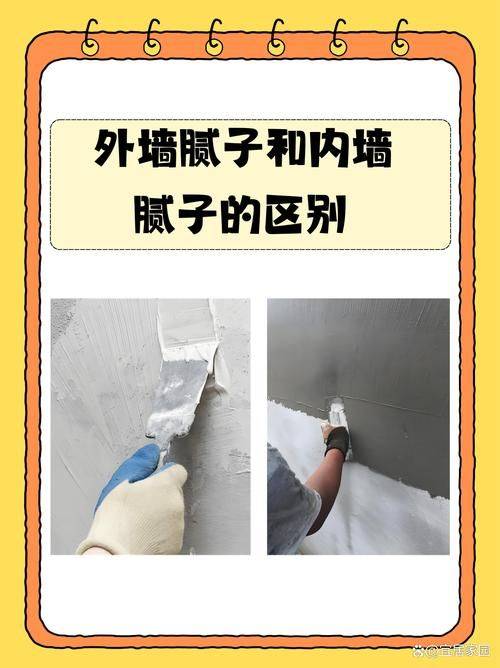
After all, the outer walls are outdoors, under the test of nature, and the wind and the sun are blowing, so the material chosen meets the requirements of patience. Select the durable type of vase, the water pack, the colored paint. The types of simulators, limestone coatings, etc. Can bring some decorative effect, and can also be decorated by the choice of a tundra。
2. Waterproofness
Waterproofing is also required for exterior wall decorations, and waterproofing is required for selected materials. In addition, the water protection floor must be addressed in order to avoid the infiltration of outdoor rain。