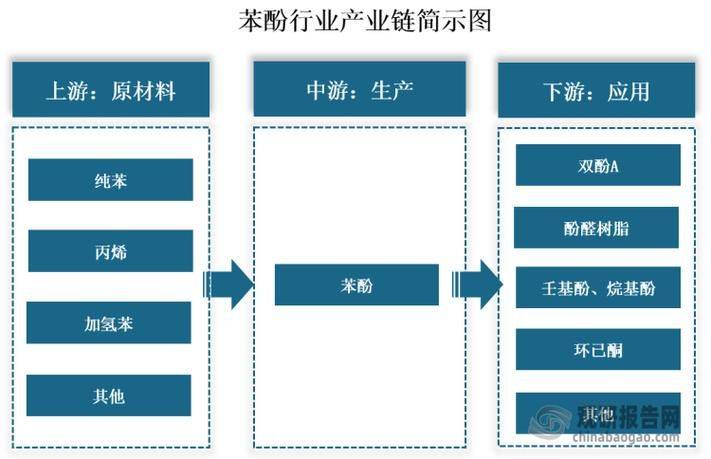
At the end of the year, the market for the benzene product chain was warmed by winter. The continuous rebound of pyrobenzene from the source to pure benzene, which has affected downstream products, has slowed down and stabilized, but the entire product chain presents a pre-hot and post-cool situation based on the loss of many products downstream。
According to a market line study conducted by the chinese chemical newspaper, as of 25 december, the price of benzene had risen to around $5,000 (tons, lower prices) and the price of pure benzene had risen to about $5950, with a six-month increase of 56 per cent and 41 per cent, respectively. However, most of the products in downstream products, such as styrene, cyclohexone, hedioxin, benzidine, henalamide and acetic anhydride, are in a loss state, but some of them are in a steady trend as a result of feedstock-led activities, with products such as cocococococococin directly downstream following acetic anhydride, chlorinated benzene and nitrochlorobenzene starting to fall back. The market for the benzene product chain is characterized by a pattern of “head running fast and tail pulling”。
Pyramid concussion
According to xiu qi, a senior distributor in henan, cps are mainly derived from petroleum refining and coal charging by-products and are the source of the benzene product chain. In the second half of the year, the price of pyro-benzene (cpb) has shaken and is expected to generate cost support for downstream products。
According to the henan oil and chemical network, the price of benzene rose from $3,200 in june to two major shocks in june-august and august-october, and after a steady third upturn, which began in october, by late december the mainstream price reached around $5,000, an increase of 56 per cent。
“the market for pyrobenzene is mainly related to the limited production and declining production of the coal chemical industry in the last six months, while the relative stability of pure benzene enterprise processing has contributed to the continued high price of pyrobenzene。
Pure benzene
Pure benzene, as an important material for organic chemicals, is located upstream of the benzene product chain, which extends over a long period and involves a wide range of industries, including petroleum, coal, chemicals, pharmaceuticals, dyes, pesticides, etc., and markets tend to serve as a reference for the entire chemical market in the country. The trend towards pure benzene in 2019, in addition to its relevance to the international oil, pure benzene market and the start-up rate of domestic refining firms, is more relevant to the start-up of domestic coal chemical companies。
Information from the henan petroleum and chemical network market indicates that the first half of the year saw a slight deviation between the movement of oil benzene and pyro-benzene, which was almost parallel to pyro-benzene throughout the year, especially since the third-line pyro-hydro-benzene movement began in the second half of the year, moving out of a continuing wave of shocks. As at 25 december, the domestic net benzene mainstream price was 5750 to 5950 yuan, an annual increase of 41 per cent。
Information is also available to monitor a steady decline in pure benzene port stocks from 220,000 tons at the beginning of june to the current level of 80,000 tons, a 63. 6 per cent decrease. In december, the average start-up rate for oil benzene was 69 per cent and for hydrogen benzene 53 per cent。
“the reduction in port stocks, the decline in the installation rate and the warming of the international net benzene market have triggered the start of the year-end movement of pure benzene.” an analysis by ho xiaodong, head of the information department of the petroleum and chemical industry association of henan province。
It's possible to reach the bottom downstream
In contrast to upstream warming, many downstream products are colder。
Journalists have learned from front-line market research that, while products such as styrene, sphenol and acetic anhydride are on the platinum, pure benzene concussion, they have not been able to extend the heating for the second half of the year, but have instead shown a downward trend in the convulsion, especially since the fourth quarter began to december, when a significant proportion of the downstream products of the entire benzene chain were in a loss。
According to a director of china pic, enterprises such as styrene, cyclohexone, hexadiate, acetamide and acetic anhydride are currently in a deficit situation, in particular with a loss of more than $1,000 per ton for their products. On the positive side, however, is that the deficit is shrinking and moving steadily with the continuing rebound in upstream markets, as well as underlying factors such as the price-limiting, rigid demand-depression factors of downstream firms。
At the same time, in addition to the product chain of the petroleum benzene series, products associated with the downstream movement of corrosion-related products such as acetic anhydride, chlorinated benzene, mixed benzene and aromatic hydrocarbons were the first to show a steady return to warming, with acetic anhydride products having been reduced from a loss of $1,000 in mid-december to less than $600. It is clear that the overall mid-downstream product has stabilized。
According to industry marketers, international oil prices will continue to be subject to a reduction in production and a favourable increase in the benefits of the us-china agreement, taking into account the expected reduction in the net arrival of phenols from domestic petrochemical delivery and the difficulties of increasing port stocks; hydrophenyl-added devices are subject to profit constraints and the start-up rate is difficult to increase, while most downstream products lose or fall in the premium. A combination of factors is expected to improve the hot end of the benzene product chain。