Stereotyping is the core equipment of the chemical, food and other industries, with inappropriate use of axle deformation, electricity burning and neglect of maintenance leading to leaks and shutdowns. The mastery of the correct method is key to the stable operation of the equipment, and the following points are drawn from the experience of the use of the equipment in the past
I. Using the whole process: teaching you three steps to avoid pits
1. Pre-boarding: check and clear
Manual disc-mixing axis to ensure that there is no blockage and no noise; check seals (fills/mechanical seals) without leakage, and loads, output valves are severe; confirm safety valves, pressure meters are valid and temperature sensors are normal. Packagings are super- "effective volume" (70-80% of the public volume) and material characteristics match the mass of the equipment (e. G. 316l stainless steel does not touch enriched nitrate)。
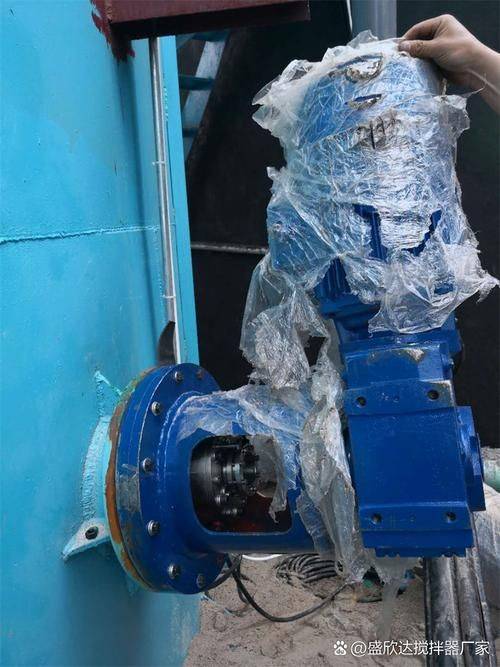
2 in operation: constant attention, early detection of failure
On start-up, turn low and then slowly to the target value, and never be empty; stare at currents (which may suddenly rise to a mixer card), temperature (extra-process value ± 5°c opens the temperature control), pressure (extra-pressure prompts manual discharge); stop if the leak is sealed - the filling seal can be fine-tuned and the mechanical seal must be checked for wear and tear on the seal; and stop with noise and check the coaxes or bearings。
3. After the shutdown: completion and extension of equipment life
When temperatures are cooled to the temperature, pressure is released and material is released, high viscosity material is heated and blocked; wash as required by the industry (cip on-line on food level), keep running data (time, temperature, pressure) and facilitate subsequent maintenance reference。
Ii. Management of maintenance methods
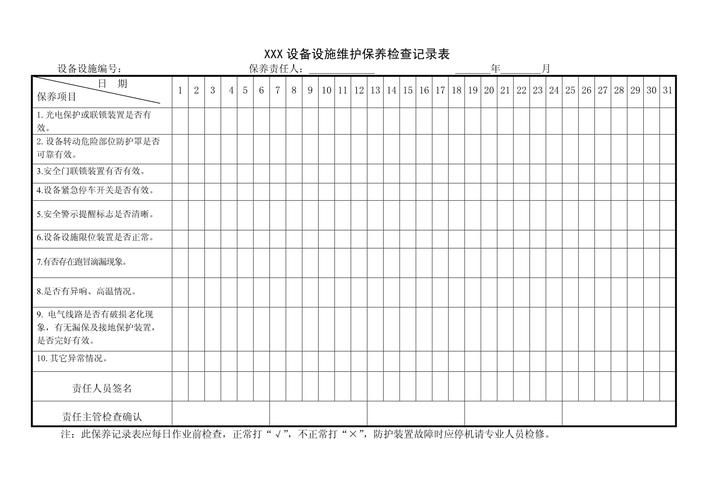
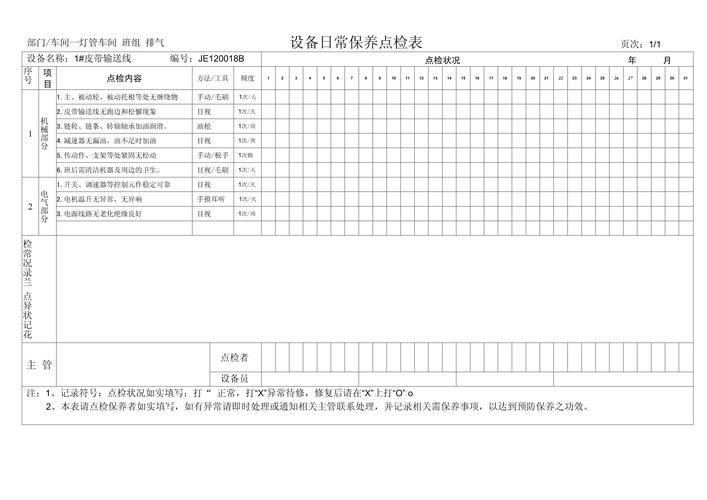
1. Daily maintenance
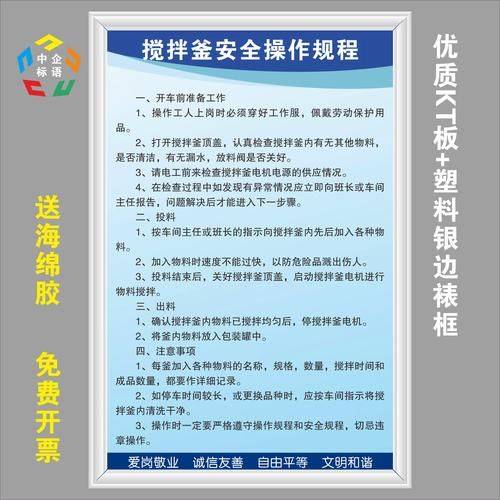
Take a look at any leaks in the seal every day, check the speed-reducing oil levels (in the range of the oil labels 1-2-2/3), clean up the groceries around the equipment and keep the dust on the electric power
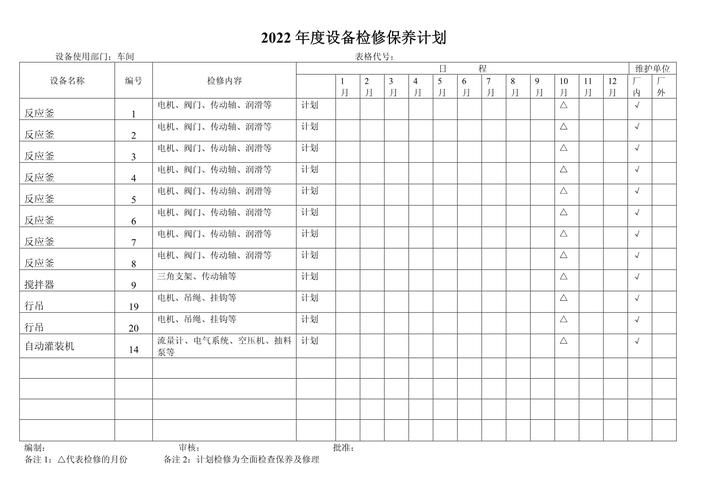
2. Regular maintenance
Monthly calibration of the mixer axle verticality (not exceeding 0. 1 mm/m); replacement of speed-reducing lubricants every 6-12 months to check whether gears are worn and seals (fills 3-6 months; mechanical seals for wear); annual check of safety valves, pressure sheets, calibration of temperature, pressure sensing device
Seal maintenance
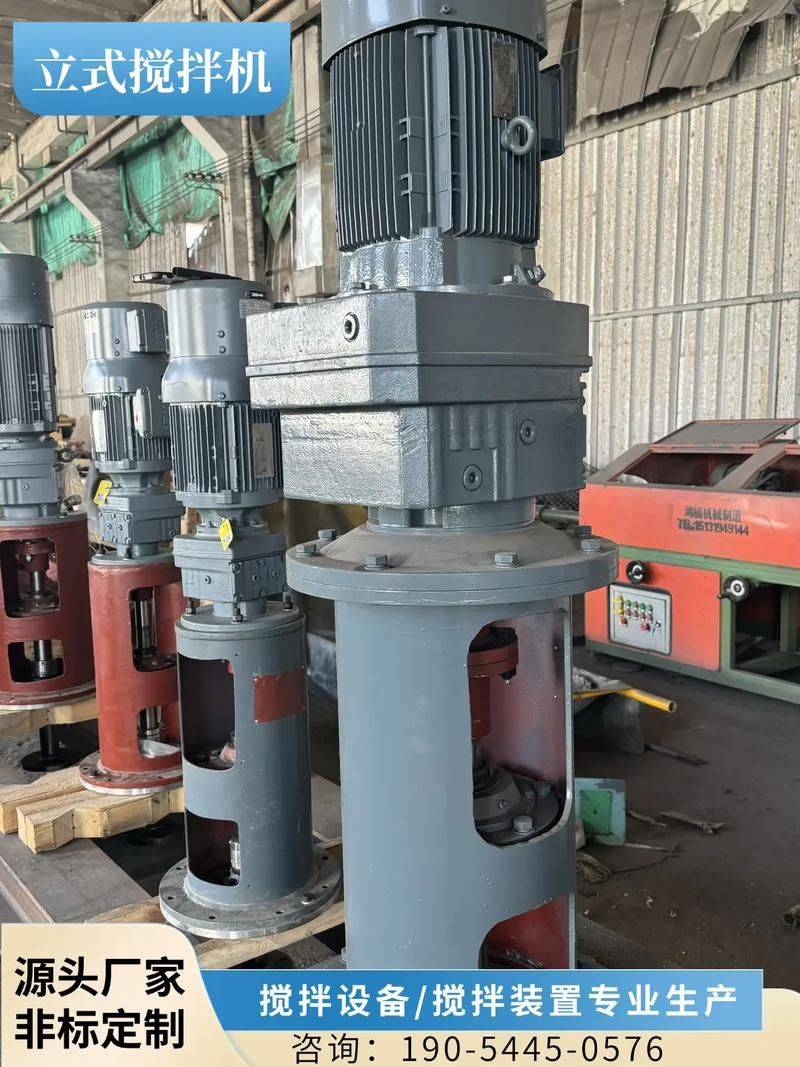
The filling seal is tightened once a week and the leak is fine-tuned to the lid; the mechanical seal is required to ensure a rinsing fluid pressure (0. 1 - 0. 2 mpa higher than that in pu) and does not break the rinsing fluid; the magnetic seal must not be empty and the magnetic latency is checked once a year。
Summary:
Precaution (preparation of pre-screening for time lost), compliance (incompetence, overload) and priority care for vulnerable items (seals, gear neglect). When you do this, the equipment's lifetime can be extended by 3 to 5 years, and production can be reduced