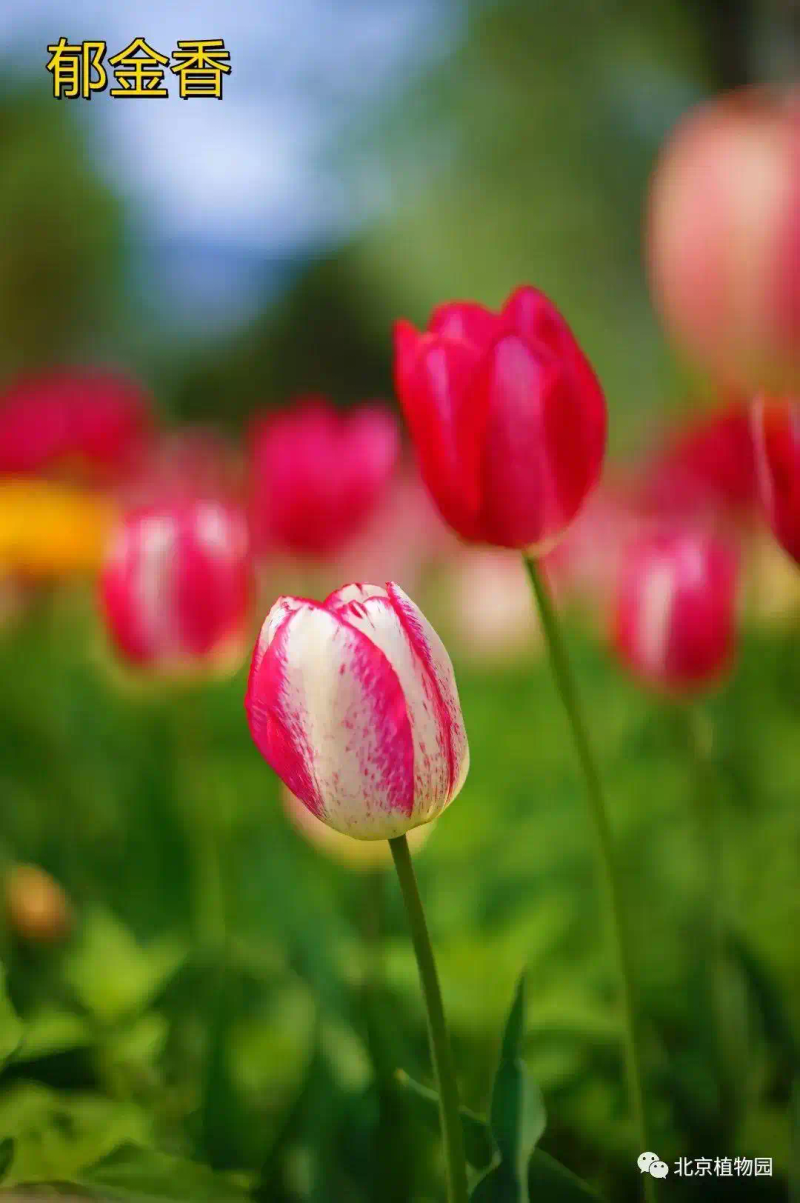
The tulips of spring are always beautiful and rich in colours that make people feel infinity. The tulips of the botanical gardens are also very popular。

Beyond that, many friends want to grow tulips and reap their own spring colours. Let's learn how to grow tulips today

Common questions
Q: when will the tulips grow
Autumn and early winter. The tulip, which blooms successfully in the spring, needs to be catalyzed through a whole winter with low temperatures, known as the springing effect of plants, and is therefore the best time to plant the tulip in the early autumn and winter of the previous year。
Q: can tulips grow indoors
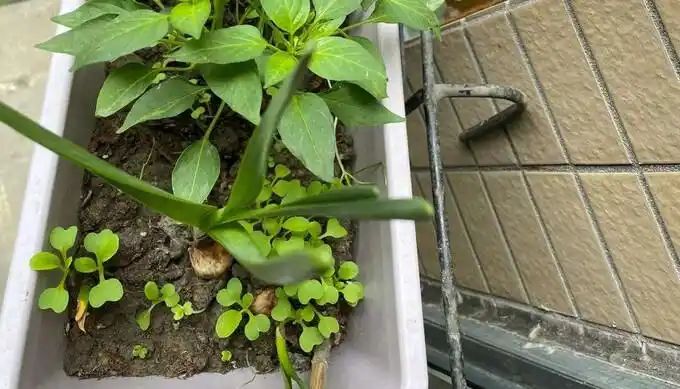
Response: yes, but with attention. Tulip tubers and juices contain toxic substances, but they are not toxic as long as they are not in direct contact with the tulips (especially if they are scarred). Indoor cultivation of tulips has been suggested in well-ventilated areas and in case children are not eaten. It is recommended that gloves be worn during planting。
Q: can other species of flowers in the bouquets of the botanical garden experience planting
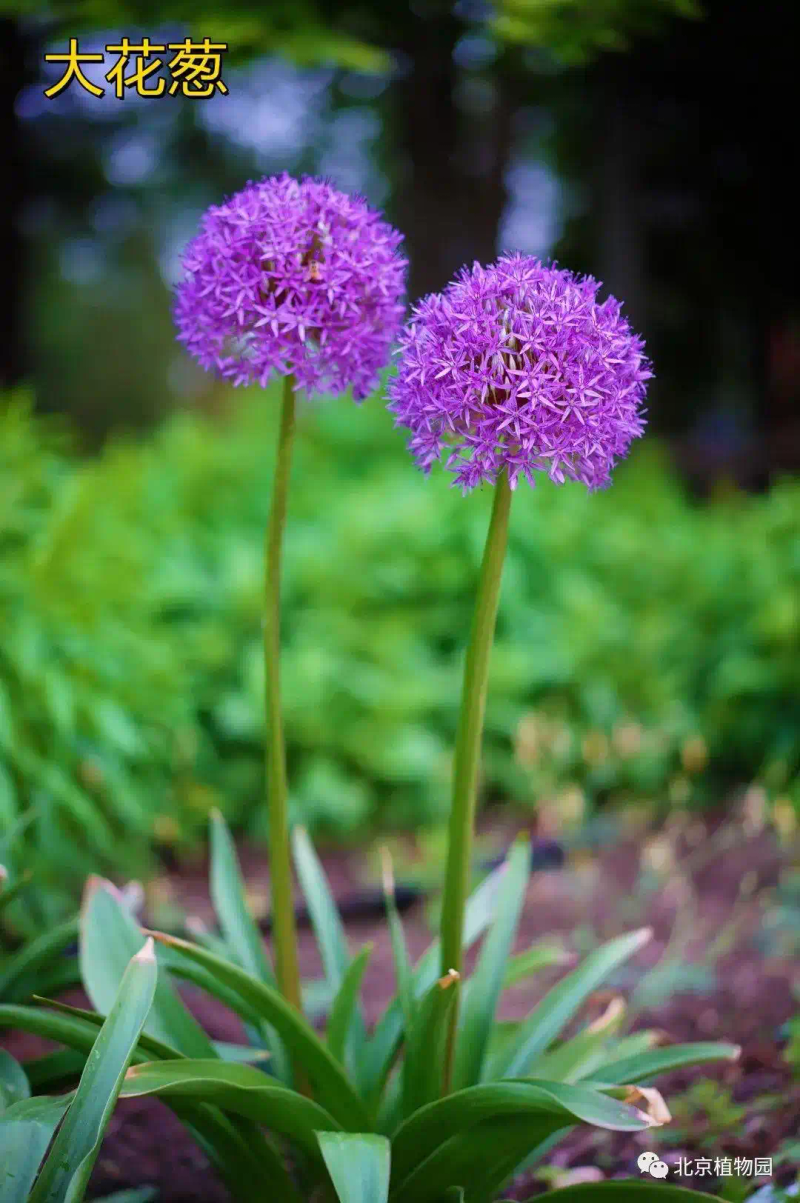
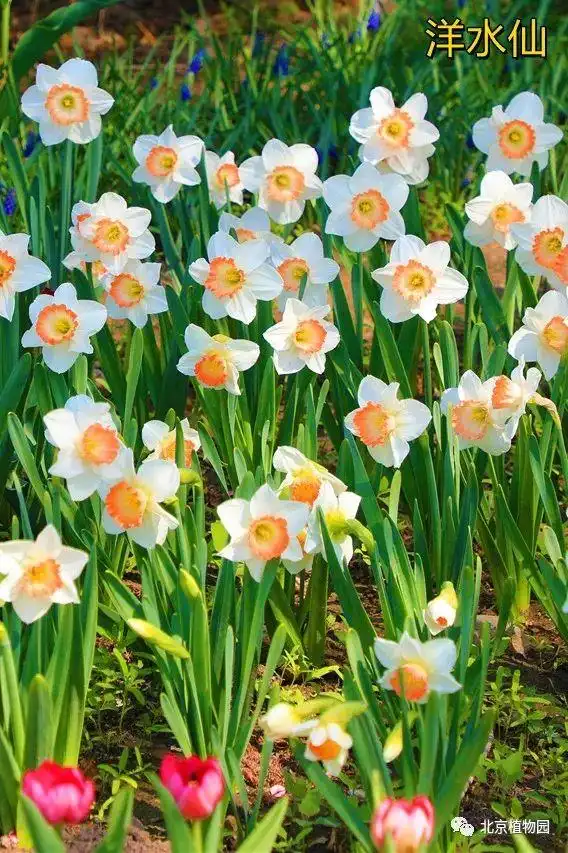
Response: yes. The tulip sea of the botanical gardens is also growing the root flowers of the plume, such as bogus, guacamole and large onions, which grow in a manner similar to that of tulips, and the preferred friends can choose to grow together。
Preparations
Let's start with some of the balls we're talking about
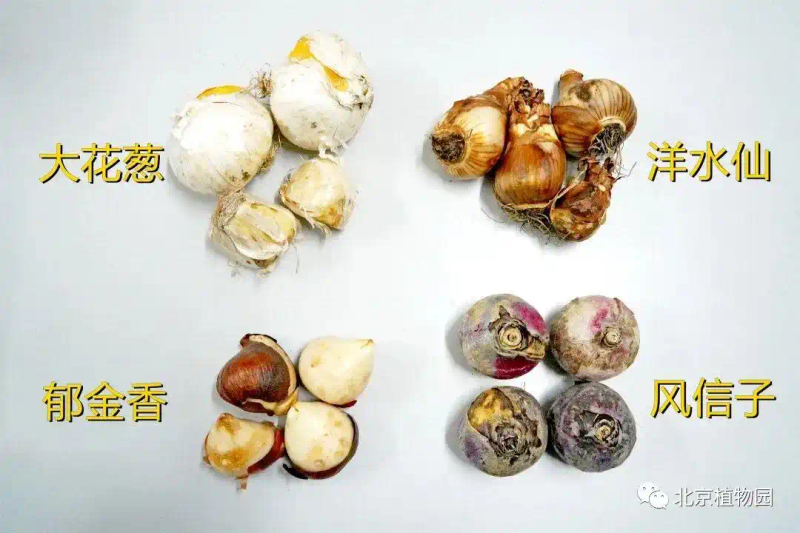
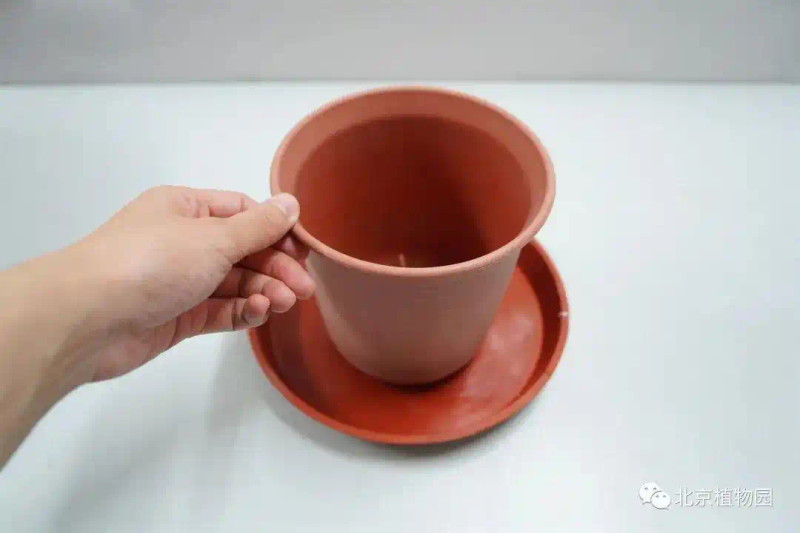
Some of these balls have groundnuts and some of them have hydroponics. The size of the earth-breeding basin is best, depending on the size and size of the ball, with a depth greater than two times the diameter of the ball, with low soil requirements and absconding gas; hydroponics can select containers of transparent materials, such as glass bottles, plastic bottles, etc., so that the growth of the ball can be seen in terms of its growth, its visibility, the choice of pure water for use, or running water for 12 hours or more。
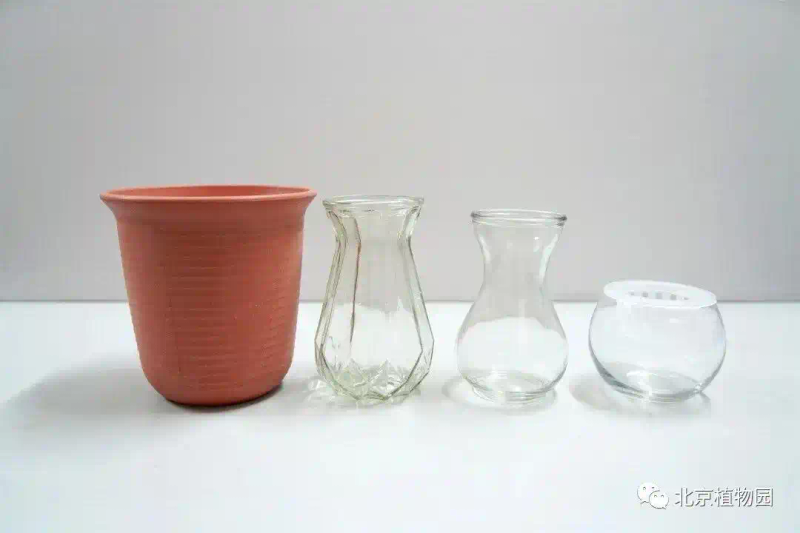
It is important to note that the tulip method proposes to be used in tulips (no specially processed seed balls), zhubs, onions, and onions; and the hydroponic method proposes to be used in tulips for five degrees (sown balls with five degrees of cool processing), zhubs, zhubs。
Tulip method
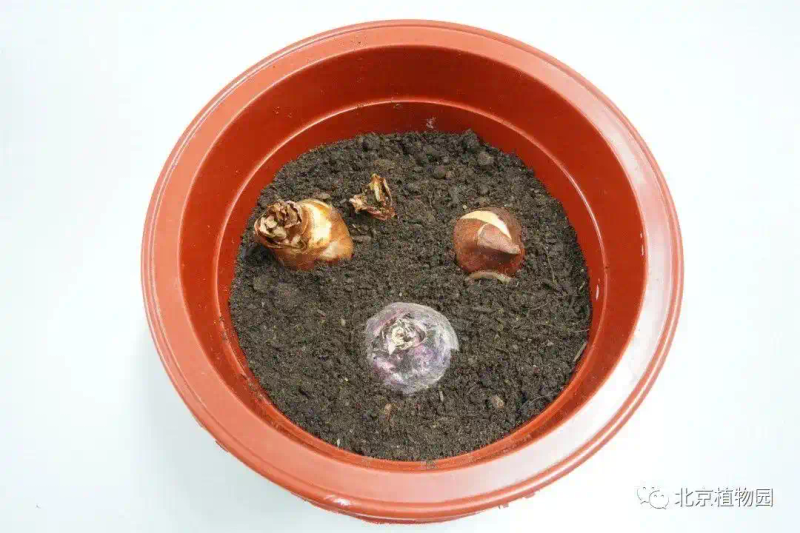
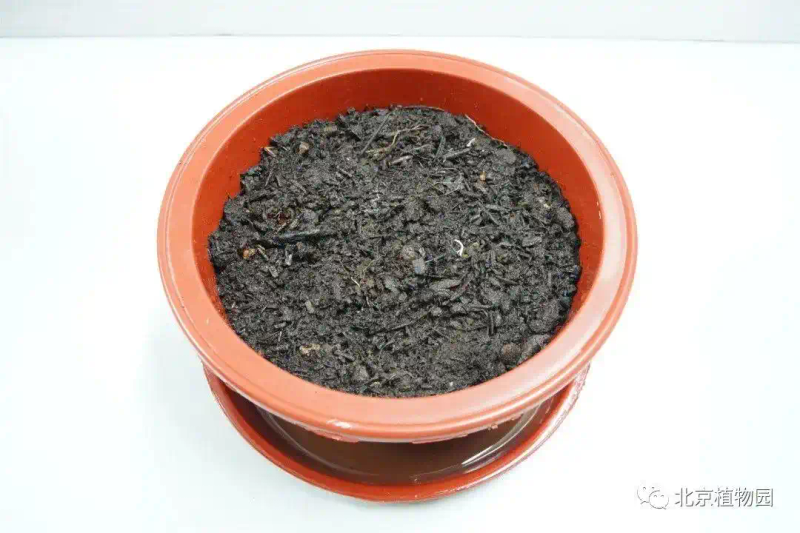
First, the soil is placed at a depth of not less than 10 centimetres in the basin, then the seed ball is put up (note that the pointer is upwards, not reverses), then the soil is covered above the seed ball, as far as possible at a depth of more than two times its diameter。
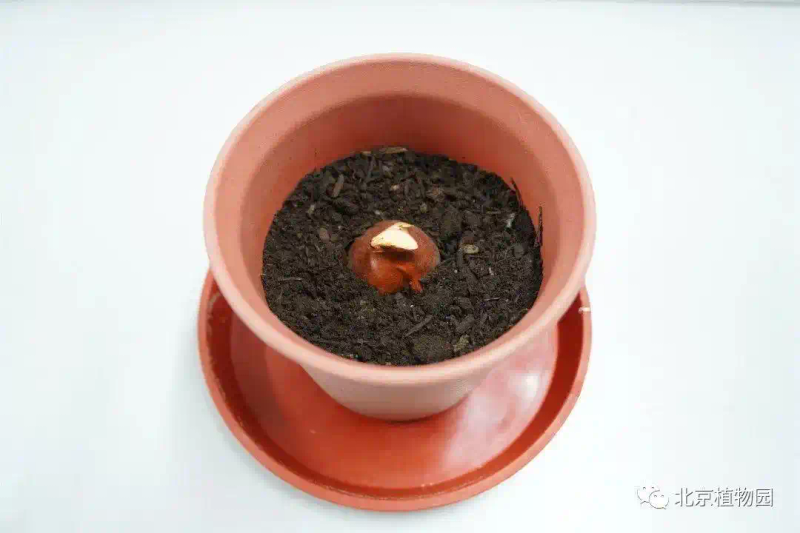
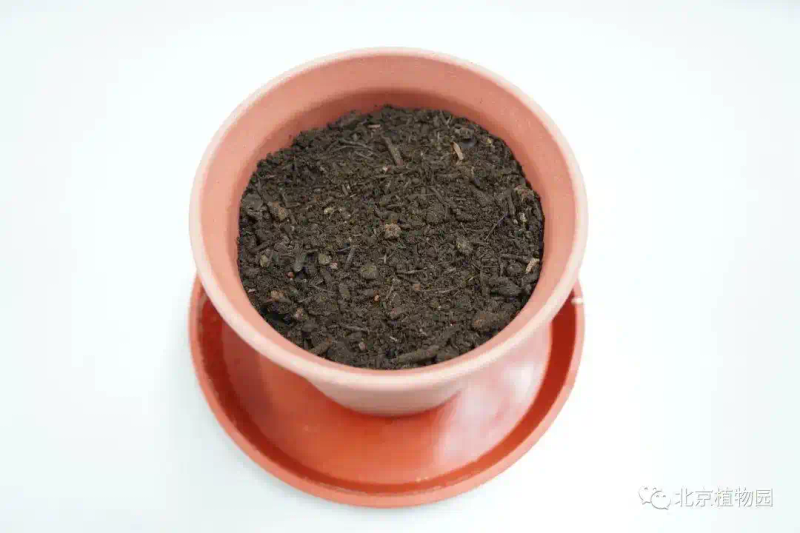
Just after planting, water is poured out in time, and then re-waters are recycled when the soil is dry, which is referred to as “dry and wet”, and its effect is to prevent over-watering leading to rotting roots and humid pests, etc。
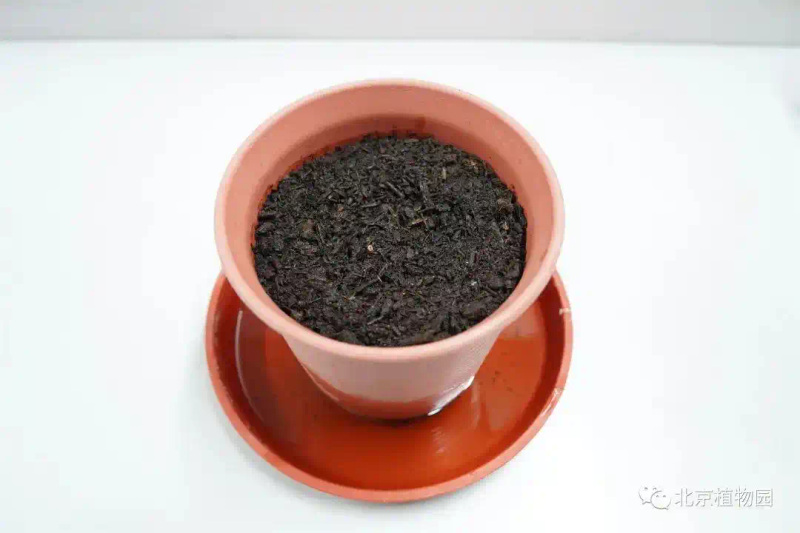
Of course, we can also choose a larger flower pot to plant different colors, or different types of root flowers, with multiple surprises
Water preparation methods
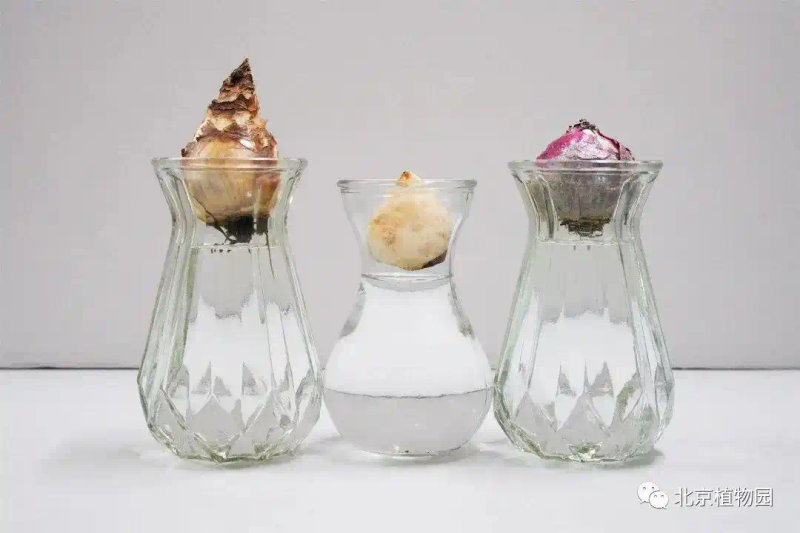
The hydroponic is relatively much simpler, without the preparation of the soil, and the water is fed directly into the container and then the seed ball is placed at the opening of the container (which is also upward)。
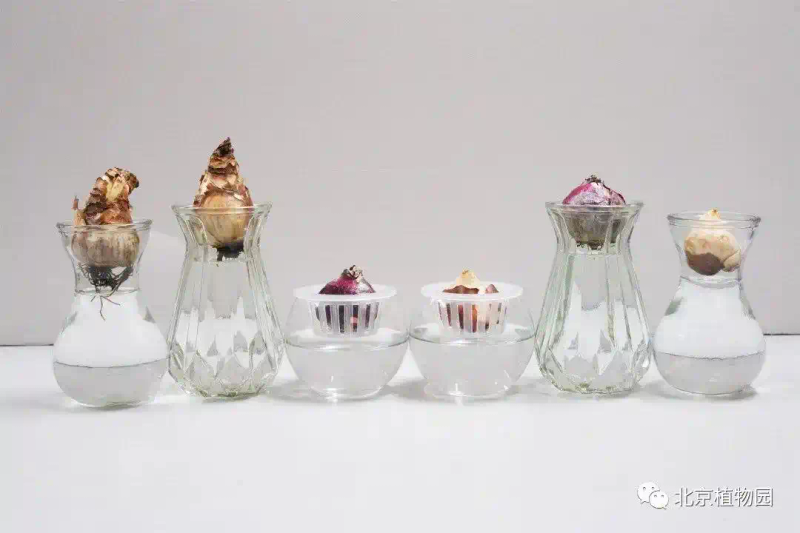
It is important to note that the water level line leaves as much space as possible at the base of the seed ball and does not soak it directly into the water. Then change water around every other week。
Attention
The balls are then planted in a back-light ventilator and the flowering takes place over a period of roots and a long period. The first root period takes about three weeks, with an ideal temperature of 5°c-9°c, which is usually kept indoors in cold and dark areas of the back。
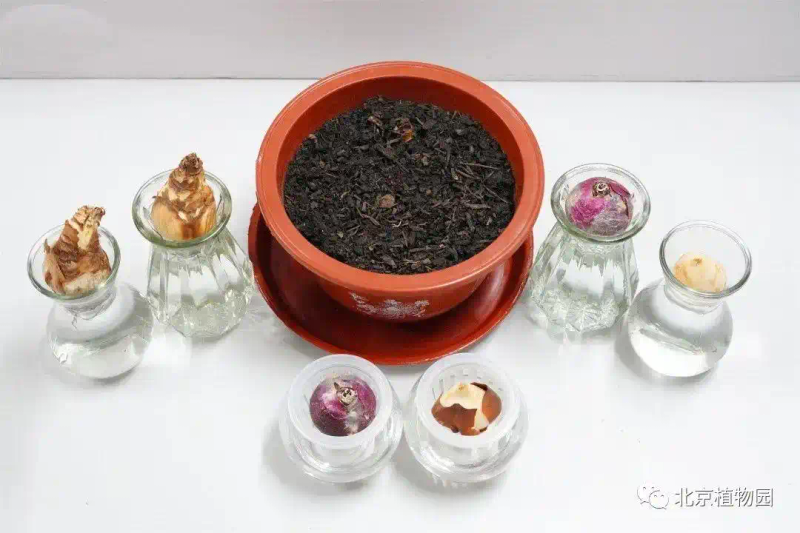
It will then take about four to five weeks to enter the second stage of life, i. E., the period from gerbil to flowering, with an ideal growth temperature of 10°c-20°c. What needs to be noted is that if the temperature is too high, it leads to the blind bud
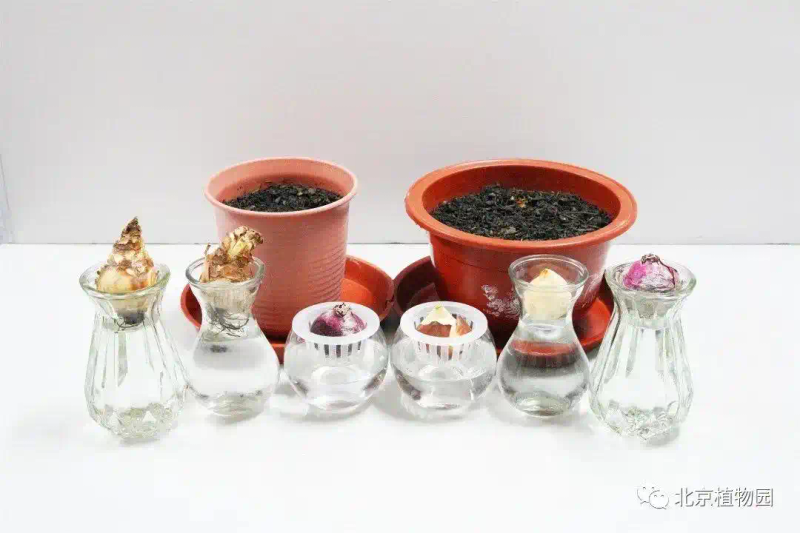
Keeping the plant at the desired temperature will make the plant stronger, whether it is root or long. The higher the temperature during growth, the faster the flower, but to some extent the quality of the flower。
Let's hope we all grow our own spring colors