As we know from the previous text, the burling bird is a long-lived bird in a bird with a lifetime of approximately 20-30 years, and, as a qualified breeder, has been selected for a satisfactory species of the bird, which is only the first step in the “long march” of the bird, and how to raise it later is the top priority
So here's what we're going to do, let's get to know about the day-to-day feed management。
The choice of raising a bird cage
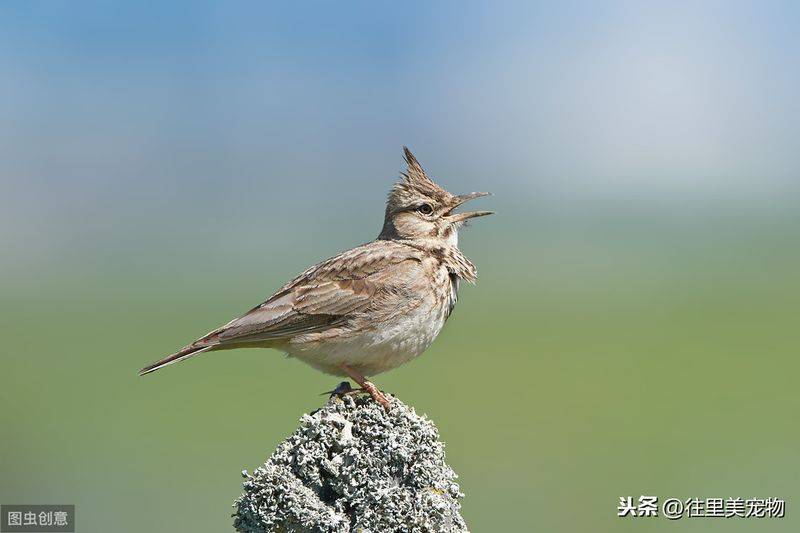
In order to raise the basalt, it is necessary to use a circular cascading, with the top of the cascading divided between the dome and the arch, and the size of the cascading is generally of three types:
Large cages: 55-160 cm high and 50-60 cm diameter, usually made of “cages” that can be lifted or lowered for ease of transport。
Medium cage: 40-50 cm high, 45 cm diameter。
Small cages: 25 cm tall, 30 cm diameter, which are divided into two types: large and small。
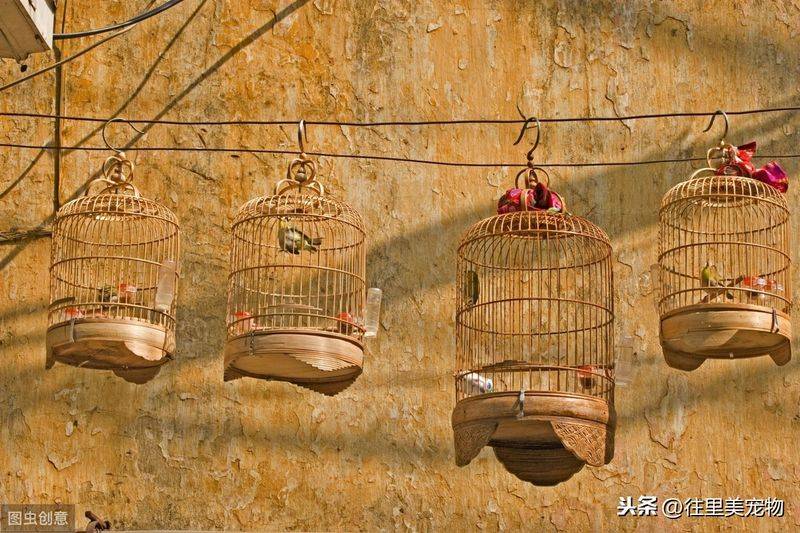
The central part of the top of the bastion (commonly known as the well or cap) is based on copper-based materials, with the bottom of the casket being three-board material, surrounded by a bottom circle, with fine sand laid inside, mainly to facilitate the sand bathing and food of birds. A mushroom-shaped table (also known as phoenix) with a height of 15-20 cm, with a surface diameter of 4-7 cm, is also to be installed in the middle of the cage for bird-breathing and stopover。
It is important to note that the water canisters are generally hanging outside the cage, and the birds are free to reach out and drink water, but the food cans are hanging inside the cage。
With regard to the specific size of the cage to be determined on the basis of the size and quantity of the centipede, you can consult the owner of the bird, if you do not understand it well。
It's about the day-to-day feeding point
I. Feeding of young birds
Brethren birds tend to choose 8-10-day-old chicks, under 7-day-old birds are less alive, unable to survive, and late chicks are open and less easily tamed。
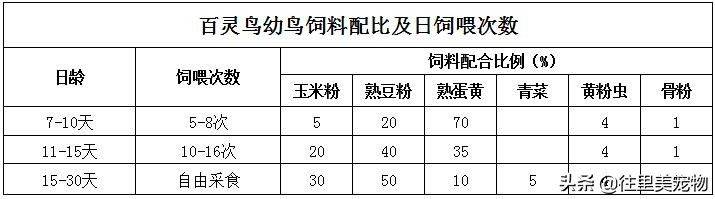
Feeding and feeding of the porcupines must take place in the course of raising the young ones, the chicks after seven days of shellage will not feed themselves, and the feed of the chicks will need to be fed manually, mainly by powdered feed, such as green bean powder, corn powder, dried egg yellow, followed by insects and thin meat. The feeding and feeding rates will depend on the day age of the chicks, which can be consulted in the table below。
Before feeding, the flour and egg yellow are fertilized separately, mixed proportionally with water and concocted into a noodle, hand-stamped into tiny pills or long strips, a bit of water, a little bit of mouth-filled feed, and preferably with sound to lure the chick to eat. When the chick is covered with feathers, she can start training herself to eat, but for the infirm, manual feeding is still necessary, and the number and frequency of feeding can be reduced depending on the intake until the young bird is fully independent and stops feeding。
When feeding, the bird catcher and bird-wowler act lightly to prevent harm to the bird, without water or food during manual feeding, and when the young bird is able to peck for itself, the mixed feed is pecked into a soft-eat can, at which point the water is not given, but the broken horse teeth are fed。
Young birds over the age of 30 can peck themselves, as long as they are provided with feed, be careful at all times to keep the feed healthy and to prevent impurities, while controlling feed feeding and making it less expensive。
In addition, it is essential that the feed of the pedagogues take care of vitamins and mineral supplements to prevent curvature and cartilage。
Ii. Breeding of birds
Dry feed and water can be fed when the beryllium and feathers are similar to birds. The gourmets belong to the groceries, which ensure diversity of feed and animal feed。
The feed of adult centrist birds consists mainly of grains, rice; supplementary feed consists of vegetable seeds, soybeans, etc.; health feed consists of green vegetables, carrots, etc.; and animal feed consists of yellow powders, leather worms, swarms, locusts, green beans and eggs。
The above-mentioned feed allocation ratio is reasonable, with the average in general being 8. 5 grains, 0. 5 oilseeds, 1 pyrochlor, and a small number of insects and green vegetables. The ratio for plume exchange was 7 grains, 0. 5 vegetable seeds, 1. 5 pyrochlor and 1 bone powder。
In order for birds to develop better, they are often fed live insects, or beef, pork and thin meat, as well as a small amount of green vegetables. When feeding the insects, remove the head, wings and legs and prevent the piercing of the mouth and esophagus, it is best to cut a few small pieces before feeding them. It is worth noting that the grinch bird is required to feed a proper amount of green bean powder four seasons a year, especially during the summer, to increase its proportion and help cool the heat。
In addition, the following should be noted:
1. To keep the feed clean and to pour out the rest of the feed in the tank before adding new material on a daily basis and to wash it clean before adding new material。
2. If water is not cut off, the albino will affect its metabolism, and when it is severe, the bird will suffer from mental discomfort and lack of affection. Drinking water must be kept clean and regularly replaced, especially at summer autumn festivals, with two to three times a day。
3. In any case, there shall be no shortage of food in the tank。
4. Peking birds prefer oily feed, such as vegetable seeds, sunflower seeds, pyrochlor, etc., and if there is both pyrochlor and millet in the cisterns, the birds will choose the pyrochlor and discard the millet. They should not be allowed to feed because fatty feed will overstock the bird and the bird will be reluctant to sing for the long term。
5. Pepsi birds are vulnerable to obesity, and their breeders are required to adjust the ratio of feed components to seasonal changes. The regular feeding of vegetables and vegetables during the summer season reduces the proportion of oily feed, reduces the fat in the bird's body and contributes to the dissemination of heat; and winter is cold, resulting in an appropriate increase in the fat in the oily feed, contributing to cold and warmer conditions。
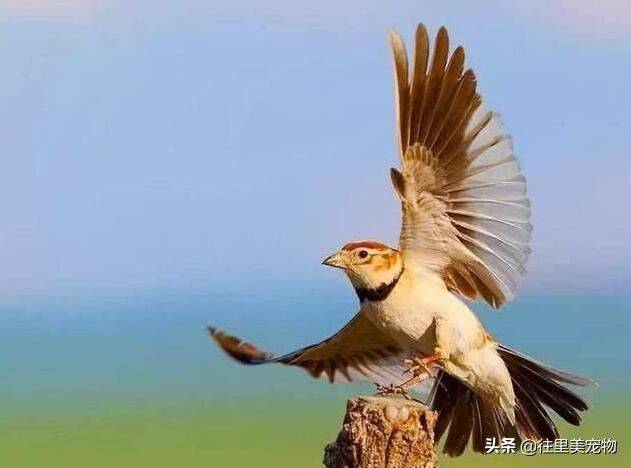
Care of the grinch
I. Care of young birds
Brethren is a bird in the northern savannah that likes a dry, cool environment. At the nursery stage, the chicks have no hair and have little ability to maintain their own body temperature, with particular attention to keeping them warm. Every year, during may-june, the birds hatch, and the temperature at this stage remains low at times, especially during the day and night, when the temperature difference is greater, and if heating measures are not in place, the birds will be cool, thin, slow to grow and, in serious cases, die。
Brethren birds of different day ages require different temperatures, and generally the temperature of 1-5 days is kept at 32-35 degrees, and then gradually decreases, so that by 30 days they can be at 20 degrees. At the same time, it cannot be heated when it is warmed, and once it is heated, its growth slows and its whole body is “pox” and even dies。
Early in the summer, there was no need to keep warm except for the first-born chicks. After a month, the young bird has a larger body full of feathers and has a greater ability to protect itself against the cold and can be transferred to cages for breeding depending on weather conditions。
Bainling likes sand baths rather than water baths, and when feeding young birds, the cages are prepared with dry sand, which is 1. 5 - 2. 5 cm thick, and the sand is best used with river sand, which is soft and cooler and more cool, and the birds feel comfortable in the sand. In addition, sands in cages are often sifted, bird dung and other miscellaneous items are cleaned up in a timely manner, while sand is kept clean, and it is best to wash the sand with water, and to dry it with a boiler。
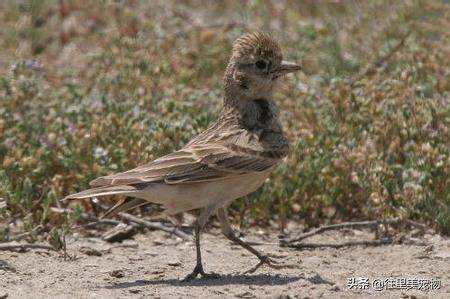
Ii. Care of adult birds
The critical period for raising the elixir is a period of change of plume and onset, and care in both stages is important。
1. Care with a replacement term
Every year, the birds change feathers, usually starting in july of the agricultural calendar, with a large fall of feathers in august and ending in september, for a period of about 100 days, as the bird breeders often call it, “seven and a half”。
The vertigation period is a special physiology period, and care work is particularly careful and, if care is not good, it is likely that the bird will die. Because the birds themselves need to consume large amounts of nutrients to grow new feathers during the lumber exchange period, when the birds are of poor quality, together with the hysteria of the whole body of the birds during this period, which makes them susceptible to cold or fungi intrusion, causing various diseases. It is therefore important to note the following during the exchange of feathers:
(1) the plume is replaced by special rearing, reduced energy feed and increased soybean yolks of high nutritional value, made of a mix of one egg yellow and four green bean powders. Method of production: dry green beans, grinding them into powder, shredding them, evenly blending them proportionally. Inverted plume, more animal feed is required, such as yellow powder, leather, acupuncture and pork. Some calcium-containing feeds, such as bone powder, are also to be added, and some fruits, vegetables and vegetables, as appropriate, are to be fed to supplement the vitamin demand of birds, but never to feed overwatered cabbage and fruit。
(2) keep the environment quiet。
(3) when keeping warm, birds change feathers, their bodies are thinner, their pores expand, their capacity to keep warm is weak, and they fear the coldest of the wind, which, if it cools, will lead to the cessation or extension of the change of feathers and the emergence of new feathers. Therefore, during the day it is important to guard against the wind, to keep the cages in the room at night, covering them, and to remove some or half of them when the weather is hotter。
(4) appropriate daylight baths are performed, during the daytime, for birds for a period of two hours or more in the light of the morning, so as to ensure that the sun does not shoot directly。
(5) water baths shall be stopped and birds shall be stopped while the rain shall be avoided。
(6) the luminous period is also the most popular period for birds, and care must be taken to combine them in such a way that they do not overwhelm, leading to reduced or non-eating consumption。
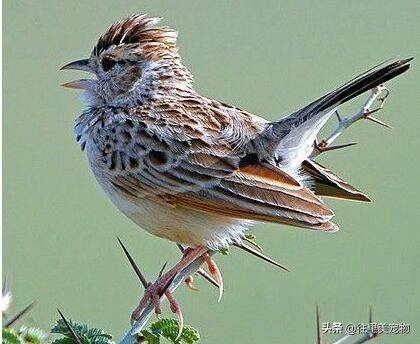
2. Care during an inclement period
The birds begin their affairs in the 3-4 years of the year, when the sound is most beautiful and the sound is most frequent, commonly referred to as the “big period”, and when the birds are called “lights” at night。
Incendiary birds are excavated and physically exhausting, so careful care is needed to feed more nutritious feed, such as green bean yolk powder, leather worms and thin fatter, and to allow the birds to tan. But be careful not to shoot in the sun。
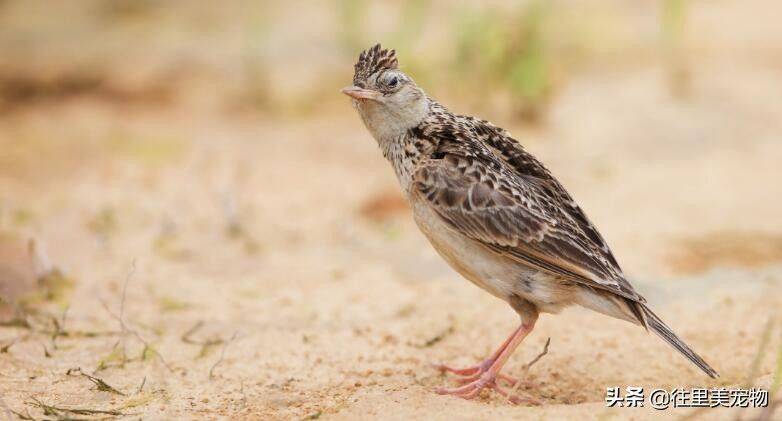
Small american language:
For a chilled bird such as the bainimarama, due to its limited ability to adapt to high temperatures, especially during the summer season, the following needs to be noted:
1. Prevention of direct sunlight and the holding of bird cages in cold air。
2. Ensure adequate drinking water for birds (adult birds) and appropriate vitamin c additions to water。
3. Reduce activity, and walkers should avoid high temperatures and take place in the morning and evening。
To adjust the feed ratio to reduce the fatty feed and increase the feeding of fruit and vegetables。
All right, that's all that matters about the day-to-day feeding of the hulabirds, and i hope it will help you。