On january 7th, the news (journalist rusheng) is that, despite the cold weather outside the house, a green, warm and accommodative picture is found in the greenhouses of the agricultural base of the agricultural co-operatives of the vegetables in the jahanbag rural facility in xinjiang tame county。
A row of green-oiled vegetable seedlings on the stand is particularly attractive and sends a “spring” to people. At the same time, the nursery machine was running, and the workers were busy with the den-cubling and the image of the farm。
“we started planting seeds in the dens on 15 december, and now we are growing, with 6,000 tons of tomatoes and pepper seedlings in the shed, and in about 20 days we will start shifting them to farmers, where we will be providing technical guidance to boost farmers' incomes.” abreti kasmu, head of the professional cooperative for productive vegetable industries, says。
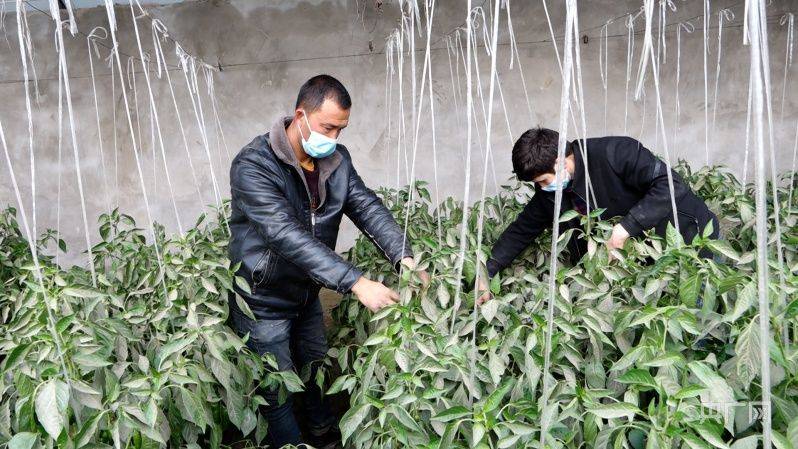
The greenhouses in xinjiang are green
In recent years, the province has been transforming its agricultural methods, actively developing modern facilities, using the facilities and vegetable industry as the dominant sector for the development of modern agriculture and for the promotion of farmers ' income-generating activities, leading the population to grow greenhouse plantations and expanding the scale of agricultural production in county-wide facilities, which has provided strong support for rural renewal。
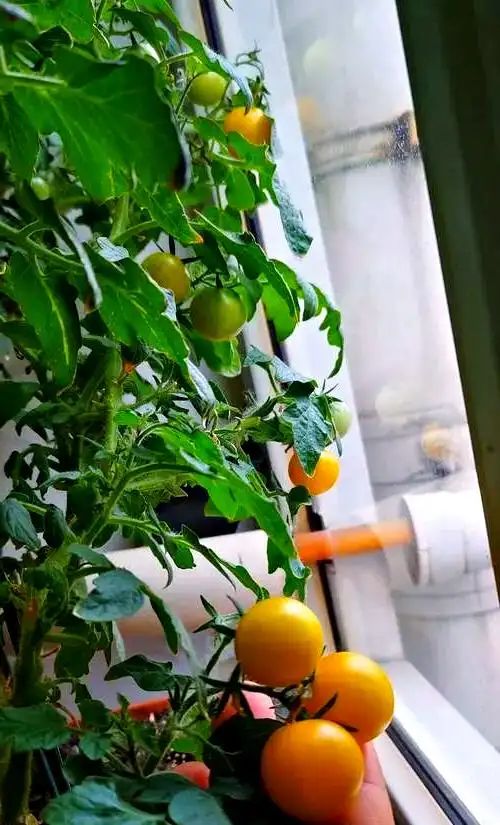
In the village of bagchi, the village of ghamambag, there are two greenhouses of tomatoes and peppers in the family home of tijiang alimmethittiti. He now applies the experience and techniques of many years of planting to the greenhouses, which operate in red and red fire in a reasonably orderly schedule for the planting of winter and spring vegetables。
“this shed is open for tomatoes in april, and a shed after that can make more than 20,000. Now we're getting better and better, thanks to the party's good policies." "america" says, "america" and "america" and "america."。
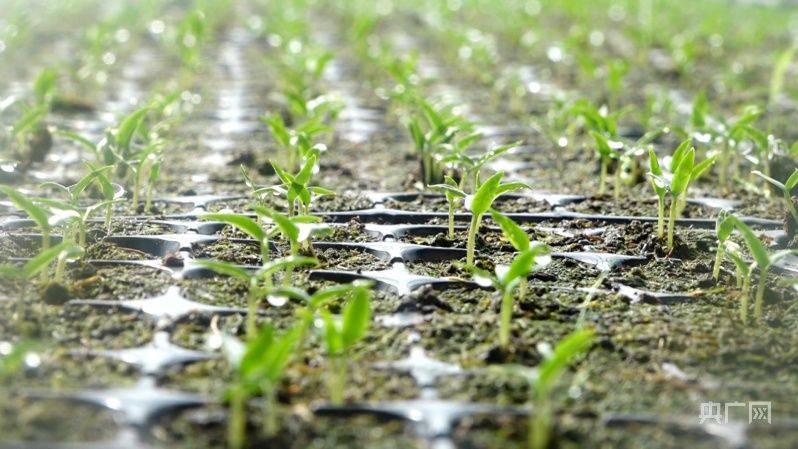
The greenhouses in xinjiang are green
Walking into the greenhouse shed of the village of bagchi village, ableti maitti abdullah, he was busy cleaning up the weeds between the chili lines, which were more than a metre tall, and the green leaves were covered with a string of red and green fruits. Right now, chili is about to harvest, and he'll be happy with a piece of ripe pepper。
"the chili in the shed is very good. We are preparing to be on the market before spring, with production expected to reach about 4 to 5 tons and income of around 30,000. When i'm done selling the peppers, i'll plant the tomatoes, and they'll earn around $30,000." ableti maitte abdullah, picks peppers。
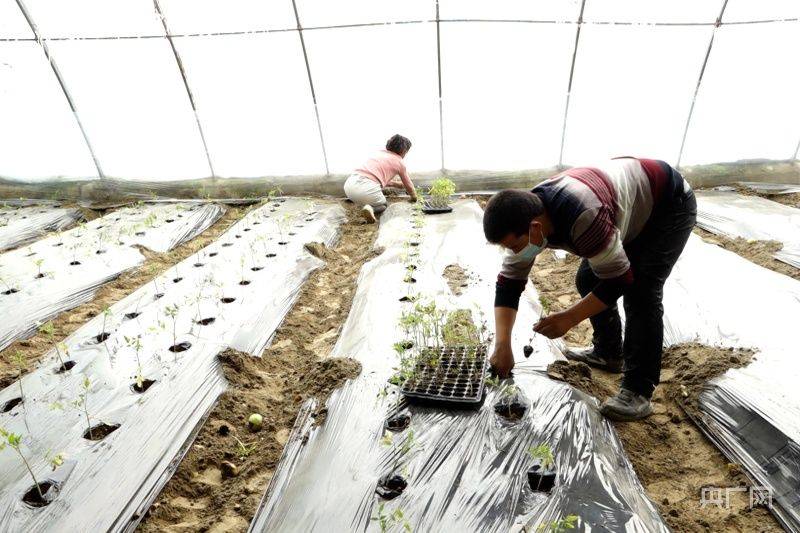
The greenhouses in xinjiang are green
In today's garhambag commune, an increasing number of farmers are developing infrastructure agriculture, which has also led them to the “fast track” of growing wealth. By means of localization and village-driven measures, the gahanbag commune uses the greenhouse-growing industry as an entry point to accelerate rural renewal and increase farmers' incomes, continuously optimizes its industrial layout, actively directs farmers to the development of greenhouse-based industries through policies, technology and financial assistance, boosts the efficiency of facilities, boosts the productivity of farmers, turns the greenhouse-growing huts into a “poaching house” for popular enrichment, and injects new dynamics and dynamism into the overall promotion of rural revitalization。
“the village of bagchi, a village of 116 large huts, we have helped farmers by teaching them how to manage, grow and so forth. Through the years that farmers have grown and practice themselves, our village's tomatoes, chili, eggplants, cabbage and large cabbage have entered the market. Through industrial renewal we have been able to boost farmers' incomes, and we are confident and determined to embark on a better and richer tomorrow.”