With the rapid development of our railway network, rail transport has become an important link between cities and villages. In the course of railway operations, the maintenance and replacement frequency of steel tracks as key components for carrying vehicle weights and ensuring the safety of motor vehicles is of great concern. A lot of people wonder why the railway tracks have to be replaced in over a decade. Where's the steel tracks? This paper will show you exactly。
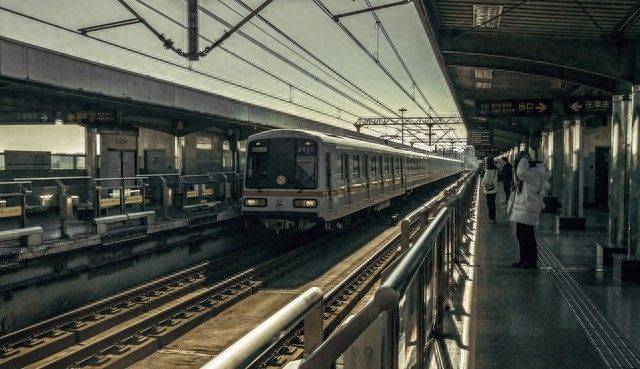
Why does the railway track have to be replaced for more than a decade
The railway rail tracks bear heavy pressure and frequent wear and tear of trains. As the speed and load of the train increases, problems of wear and tear on the surface of the steel track arise. While modern steel tracks are made of high-intensity alloy steel, which is more resilient and resistant to fatigue, performance declines are inevitable after long run。
In general, rail rail tracks have a useful life of between 15 and 30 years and are affected by a number of factors:
Trains are run through frequencies and loads: busy rail lines, especially those with large cargo volumes, and steel tracks are worn faster。
Environmental conditions: humidity, saline, etc. Accelerates the erosion of steel tracks。
Maintenance: regular orbital detection and maintenance will prolong the steel track life。
Technology upgrades: new steel tracks are better performing with railway technology and old ones are replaced earlier。
Thus, the replacement of steel tracks once for more than a decade is a normal requirement for rail maintenance, guaranteeing road safety and transport efficiency。
Where's the steel tracks
When railway tracks reach their useful life or there is serious damage, they are replaced by professional road support workers. The replacement tracks, although not suitable for continued use as main-line tracks, still have some residual value. The following are some of the common directions for changing the tracks:
1. Recycling
The main components of the tracks are high-quality steel, with high recovery value. Dismantling steel tracks are usually transported to steel recovery plants for smelting and reprocessing. After treatment, steel tracks can be used to make a variety of steel products, such as construction bars, mechanical parts and so forth, for resource recycling。
2. Use as a secondary or secondary circuit
Old steel tracks that are partially mildly worn and have a satisfactory performance will be deployed to secondary lines such as feeder, cargo line or industrial rail. These lines require relatively low performance on the steel tracks, and the old tracks are able to exert excess heat and extend their useful life。
3. Production of orbital pillows or other rail facilities
Old steel tracks can also be converted to rail aids such as on-orbit pillows, fences, fences, or used as temporary support material for rail maintenance。
4. For art and souvenir production
Some decommissioned steel tracks may be processed by the railway sector or by enthusiasts into railway monuments, sculptures, furniture, etc., as vehicles and collections of railway culture。
Environmental and economic implications of railway tracks
The replacement and recycling of railway steel tracks is not only a necessary requirement for the safety of railways, but also reflects the concept of resource conservation and environmental protection. The recovery of old steel tracks reduced demand for new steel and reduced energy consumption and environmental pollution. At the same time, the rational use of old steel tracks can save rail operating costs and increase resource efficiency。
Concluding remarks
The railway tracks have been replaced for more than a decade and are essential for their safe operation. The steel tracks that have been replaced are not waste, but are treated separately and are fully exploited, recycled and re-produced, or continue to function on secondary routes, or even become vehicles of railway culture. Understanding these behind-the-scenes stories helps us to better understand the complexities of rail transport and the concept of sustainable development。
Next time you see railway workers replacing steel tracks, think about the form in which they might be “reborn” in the future and continue to provide social services。