The essence of early teaching, in the final analysis, is the emphasis on substantive intelligence development. In this context, the development of intellectual and non-intellectual factors is mutually reinforcing, and the game of chess is precisely what enables the player to develop the combined intellectual and non-intellectual potential of the game。
First of all, let's see how chess works for intellectuals:
1. The role of chess in the development of mathematical logic intelligence
The calculation of chess is not exactly the same as that of mathematics, and the calculation of chess must take account of the behaviour of the opponent. Not to exaggerate: the match between chess is a mathematical exercise, but not a simple digital exercise。
The calculation of chess is mainly in terms of air and purpose, and in addition to micro-local calculations, there are macro-global calculations; there are complex calibrations and value-size calculations of officials, as well as calculations of thin value conversion analysis in more complex chess processes。
This contains a rigorous mathematical logic, and the game of chess is the process of training players to constantly operate at high speed。
Although the level of the gamers is uneven, as long as they start playing, their minds are characterized by variability, sensitivity and dynamism, and they are always excited to calculate, analyse, judge, refine, reason, and screen during the game。
The role of chess in the development of mathematical logic in early childhood education is beyond the reach of any early learning course。
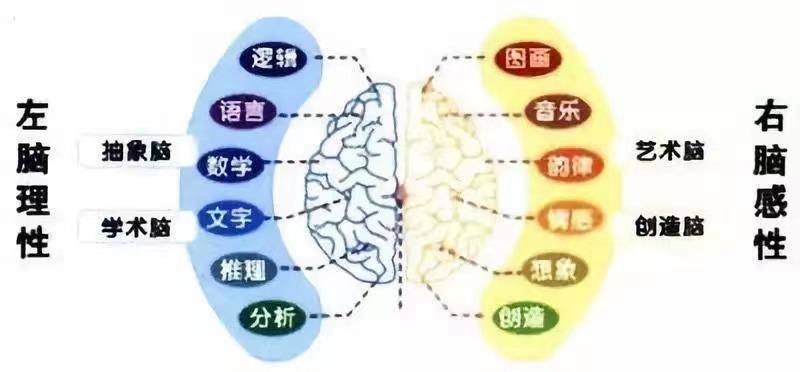
2. The role of chess in the development of language intelligence
Chess has a wealth of terminology, mouths and mottos, as well as a variety of graphic names. And most of the names of chess terms, mouths, mottos and graphics are imaged and fit the image thinking of young children。
In less than a year, children learn and master nearly 100 words, and in unwitting games, the linguistic intelligence of young children is naturally developed so that their linguistic analogy and language adaptability can leapfrog into thinking, a combination of which cannot be equated with the effect of spending a great deal of time rereading tang poe。
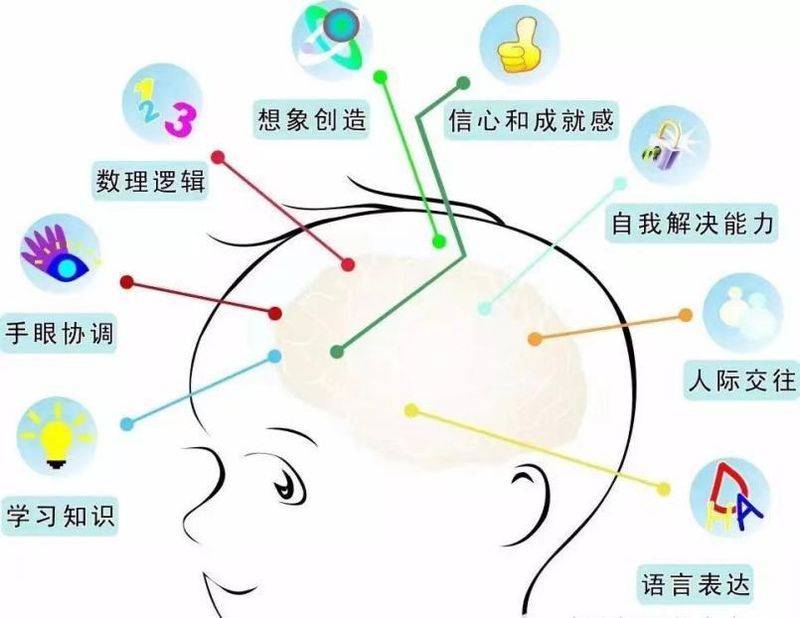
3. The role of chess in the development of analytical judgement and dialectical thinking
Every piece of chess has to be adapted to the situation on the board, since the situation in the chess game is constantly changing with the positions of the players, and the life and the thinness of the pieces on the board is constantly changing with the process of the game。
If we are to find out what we can and plan our operations in a complex situation, we will have to use logical reasoning, using the capacity of dialectic thinking, to exclude the unworkable method, to rank it logically, to make the right choice through careful analysis and accurate judgement, so that the game can finally be won。
Therefore, every single item in the game is a exercise and test of the ability to analyse the gamers and to justify their thinking。
4. The role of chess in the development of space intelligence
In the chess game, space intelligence is the mutual transformation of a young child using the concept of a three-dimensional space structure to apply to the board of a flat structure。
When playing chess, young children constantly create one and another wonderful geometrics in the middle, bottom, left and right of the board。
At the center of the board, the charade of the chess game is at the center of the board, and at the center of the board, the star, the star, the eye, the eye, and the eye. At the stage of the game layout, the young child must clearly distinguish between the specific positions on, down, forward, back, left and right, which is the initial exercise of the space sense of the young child。

5. The role of chess in developing the imagination and creativity of young children
Children aged 3 to 6 are at an embryonic stage of logical thinking。
In the game, young children's brains will constantly create new images, which will constantly be subverted and updated, and this image will come about as a testament to the constant appearance of the results of logical reasoning。
The game of chess is a process in which young children's minds are changing their appearances into new images。
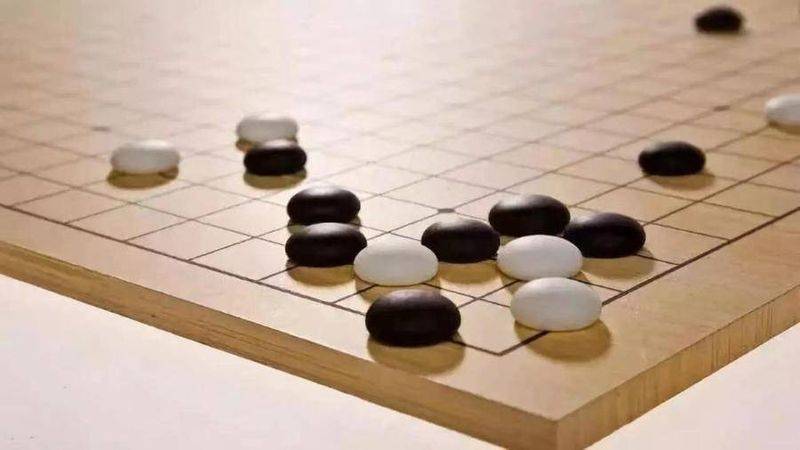
6. The role of chess in developing young children's attention and enhancing their memory
The memory of children is dominated by mechanical memory, but the game of chess is difficult to achieve with simple mechanical memory. At the same time, young children search as thoroughly as possible for all the tricks learned in their memories and screen the best for the current situation, which is the memory of understanding that goes beyond development。
Replay is an effective training tool for chess, and the replay is a memory。
For young children who have been learning about chess for some time, replaying is not a difficult task, and it can be seen that chess plays can be effective in enhancing young children's memory, which is not simply a mechanical memory, but rather a memory of understanding that goes beyond its development。
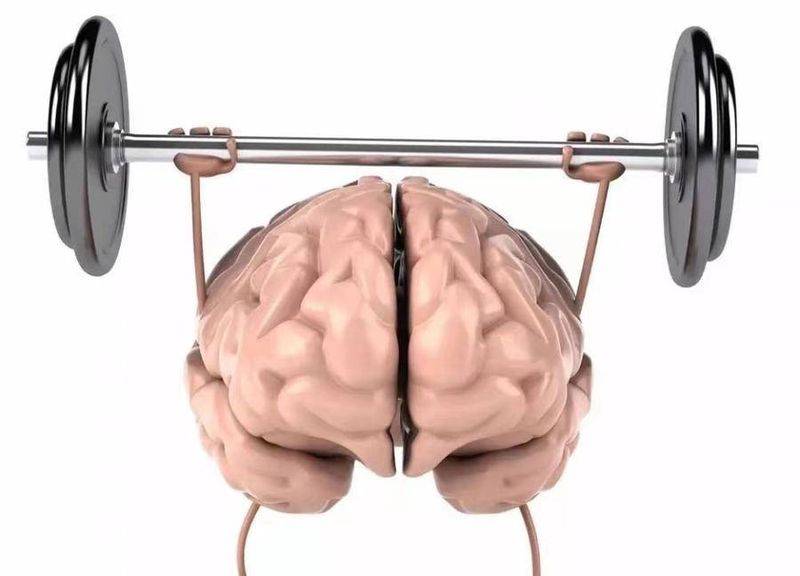
7. The role of chess in the broader vision and decision-making capacity of young children
Every piece of chess has to be adapted to the changing situation on the whole, and we have to use logic if we are to find out what is going on in this complex situation and plan our operations。
That is to say, the game is about not just playing the local role of each sub, but, more importantly, combining each with the other, thus creating a global synergy, which is the overall synergy of the game。
This collaboration will have a direct impact on the evolution of the overall picture, i. E. The larger picture and the overall consciousness。
The role of chess in developing non-intellectual factors is also significant:
1. The role of chess in developing intelligence in young children
2. The role of chess in the development of young children's will and in countering setbacks
3. The role of chess in developing relationships intelligence
Chess not only emphasizes the importance of chess skills, but also focuses on mental healing factors such as will, etiquette and emotion。
Through the chess game, young children are well-informed and make friends so that in the future they have good coordination and self-reliance in social, family, school and other settings. The interpersonal intelligence of young children has also been unwittingly developed。
In addition, chess can be an instrument for the development of future social competitiveness, organizational and command capabilities of young children, as well as their sequencing and rationality。