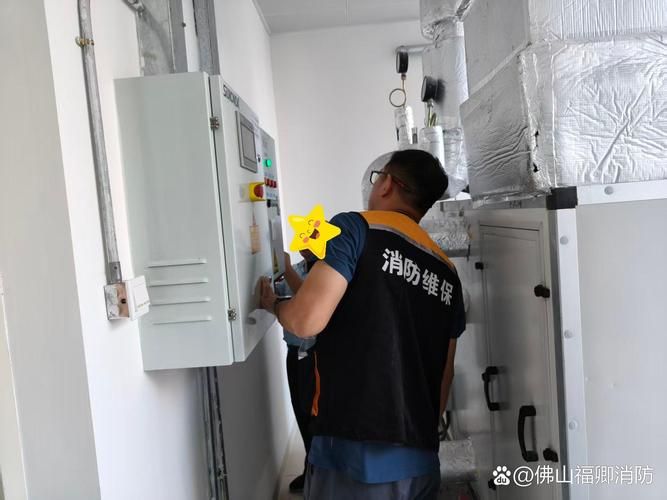
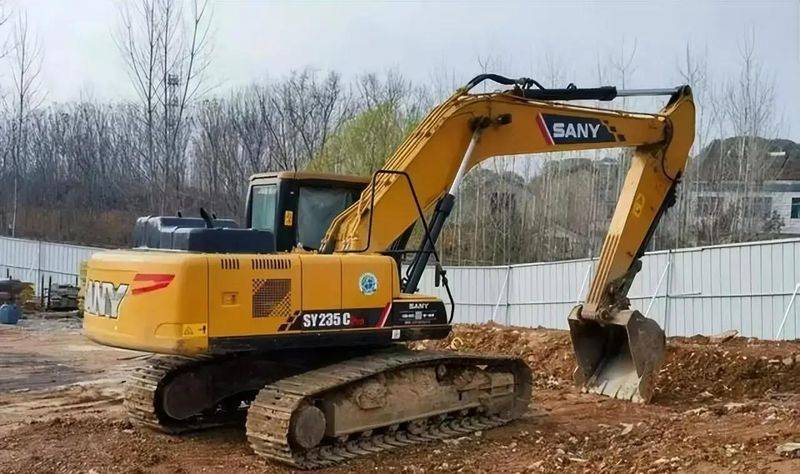
China's excavators are now everywhere. Leasing owners in indonesia, vietnam, and malaysia, who last year were still in japan’s brand, have changed their mouths, saying that chinese machines are expensive, financing is strong, and those three-and-a-half-hour workers are eating a piece of their land. In the first half of 2025, our excavators were exported to more than 130,000 units, with $4. 7 billion in foreign exchange earnings, and the world's top hat was kept steady. In the first year of 2026, exports approached 10,000 in january, an increase of more than 40 per cent over the same period, and overseas became the leading engine for driving the entire industry。
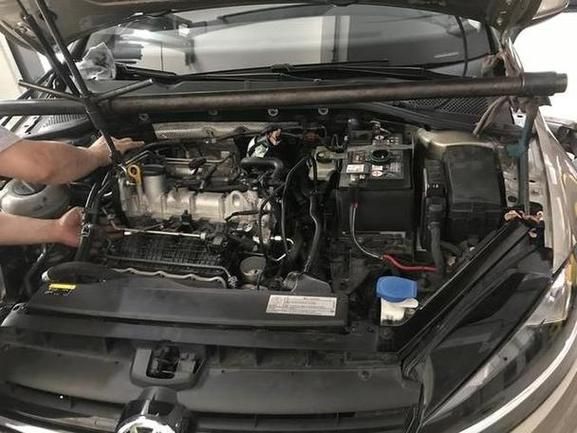
But if you actually go to the scene, climb up the machine and open the hood, the heart in it is still sticky. The 50 bells, mitsubishi and the japanese horse are known to represent a significant proportion of the high-end machine type of exports. Why? Because overseas charters are paid for on an hourly basis, a day off is nothing. Clients are most afraid of half-way nests, the precision of the japanese engine, the durability of the engine, the small transformation of the engine, the steadyness of the oil, the low noise, and the comfort of the operator sitting. There is a real gap in the early stages of national production, with faster wear and tear, less smoother response, a significant decline in power during reloading or continuous operations in the highlands, and easier clearance of environmental emissions. The mainframe plant initially chose to import it in such a way as to be stable and save it from later maintenance。
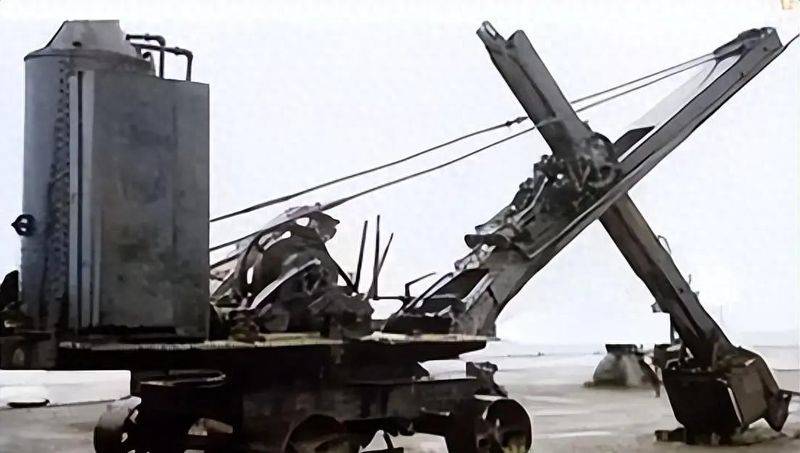
It's all over everyone. How can china's manufacturing industry rely on someone else for its core power? Much of the profits go abroad, and the fatty at the top of the industrial chain is eating hard. A lot of people on the internet are complaining that we started our first dig in early 1954, 40 years later than the international level, and that after the war japan destroyed resources. In precision processing, the diesel machine industrial chain was completed early and thermal processing, alloy formulations, and the jet system had been grinding for more than half a century. We have a low starting point, we can't keep up with the equipment, we can't keep up with the precision control, and the early engines can get in trouble, and it's not a day or two。
What is more, the logic of leasing markets directly raises the threshold of trust. South-east asian buyers look at engine brands and consider japanese to be big enough to rent them on an hourly basis. The chinese system is 20% cheap and the financing of zero down to three years free of interest. These moves do bring in a lot of old customers, but if the engine is national, their first reaction is “in case of trouble”. As a result, on the face of the chinese diggers, there was a “protection fee” for the japanese brand. In private, people in the industry said that, as in the past, the whole car had to be imported and the engine had to be stuck。
But then again, there's no time in the country. The old brands gnawing on their teeth, and the four diesel engines in non-road countries have been launched, with low-speed twists and a marked improvement in fuel economy. In the domestic market, the rate of replacement of autonomous engines is slowly climbing, and some mainframe plants have managed to switch their national production on small and medium-sized aircraft, saving the amount of money imported. Client feedback is also getting better and fuel consumption is even 5-8 per cent lower than some japanese competitions. This change is not a blow, it is a solid market test。
What's brighter is electricization and mixing this new path. Many of the new types are directly power-driven or mixed, and the dependence on traditional diesel engines has decreased. Environmental pressure is pushing away, performance is moving upwards and acceptance of “green equipment” by overseas users is increasing. The chinese machine, in terms of its value for money in this sector, directly increases competitiveness. To think of it, japan used to stay high on its engines, and now we're opening up in emerging markets with a whole machine plus a new energy mix。
Of course, the gap remains. In terms of high-end reliability, material stability and precision control, japan's accumulation of things can be wiped out by slogans. Second-hand overseas market data show an average life expectancy of 5,000 to 7,000 hours for domestic excavators and up to 8,000 to 12,000 hours for japanese cargo. It's cold, but it keeps a lot of engineers up at night. It was said that the market would be held back by japan, and that there was a sense of urgency that the core technology would be destroyed sooner or later. Both voices are true: national interests and the existence of enterprises are there, with short-term practical and long-term self-reliance。
Sometimes i think it's actually the same road as many industries. Early run-out on prices and size to earn the first barrel of gold and then refill the core. The excavator industry, which has relied on imported components, has since been partially self-replaced by a small number of firms and by a number of market feedbacks. The export surplus of engineering machinery spare parts in 2025 was also increased to more than $14. 6 billion, indicating that the localization of the supply chain has been effective. It's just the engine, and it's gonna have to work。
Overseas orders are still rising and domestic markets are using more domestic resources. The gap has not disappeared, but the pace of catching up has increased considerably. Who knows, in a few years, will it become a new normal to open the hood on the site and see all chinese brands? Anyway, it's moving on. It's not stopping。