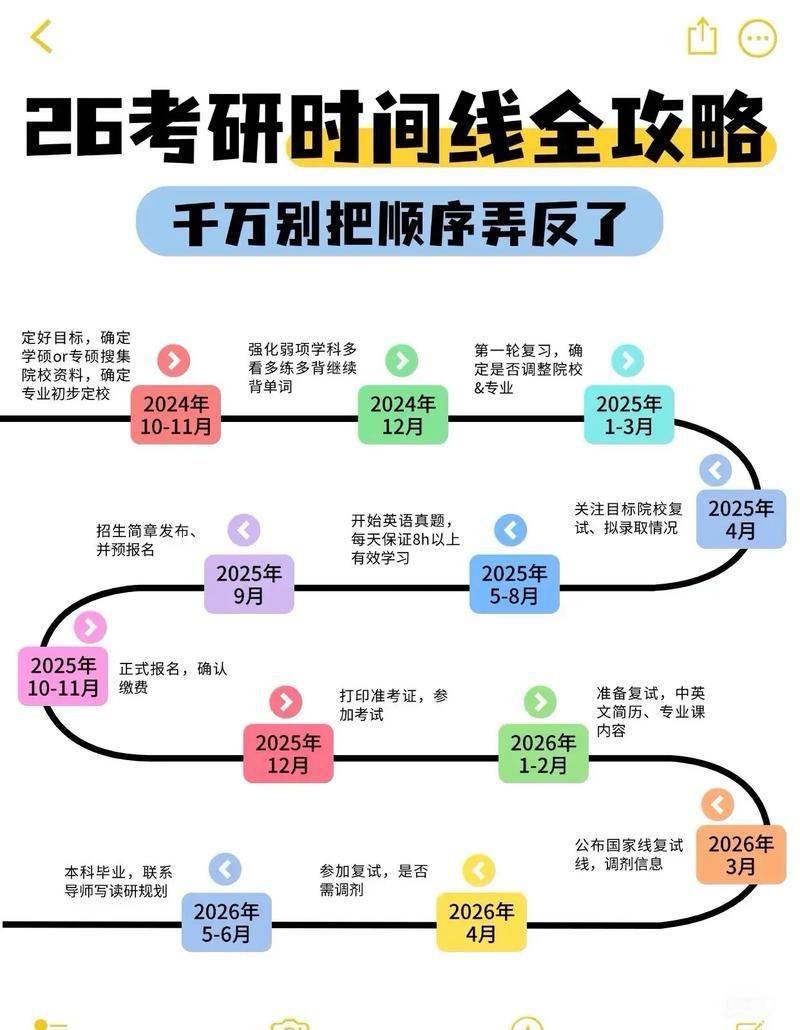
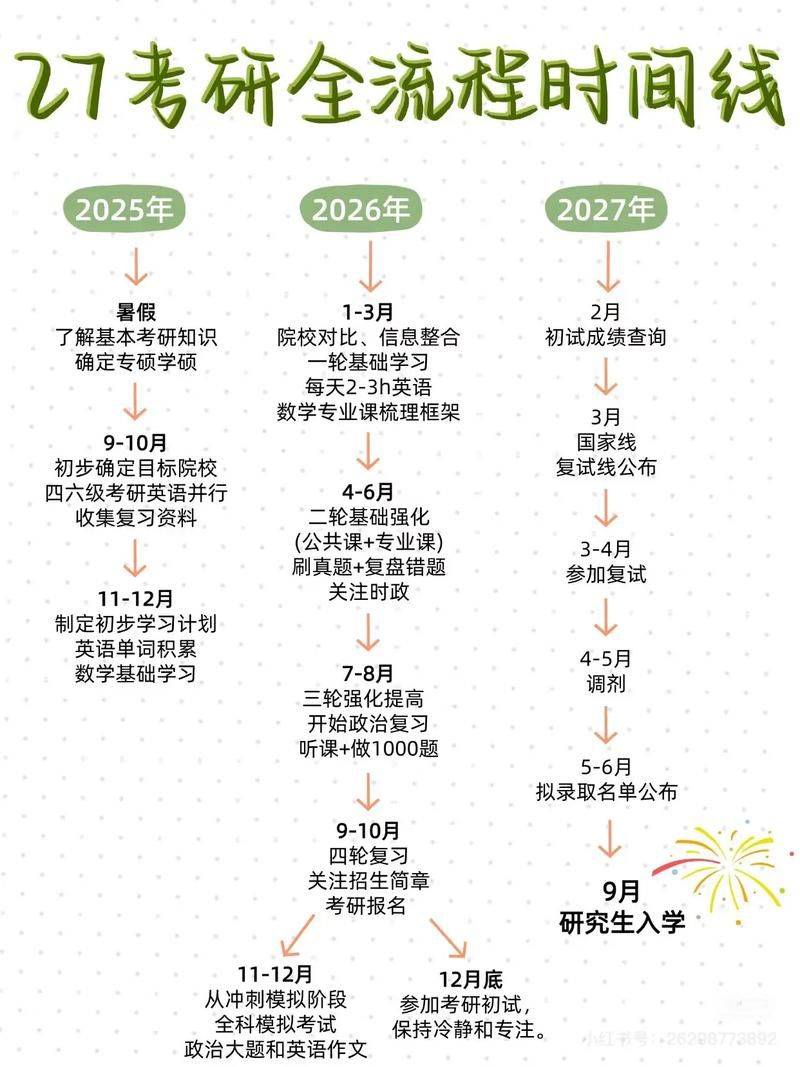
For 27 students, it's prime time to start preparing. Many people who have just decided to study are caught in the confusion of “know where to do what to do at every stage” and are either blindly retraced or delayed to the end。
This year-long phased preparation plan, from the third grade to the fourth grade, has brought together the core tasks and attention of each time point. The zero foundation, cross-examination and delay party can do just that, helping you to move 90 per cent less on the road and get on the shore。
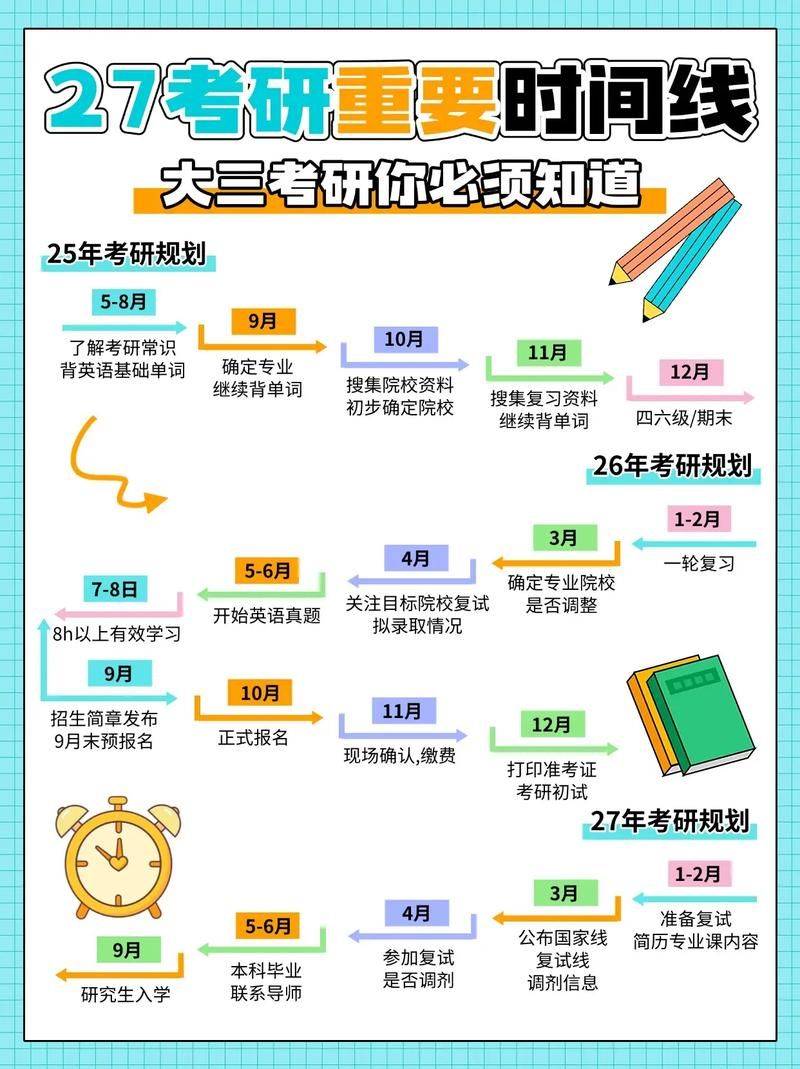
Phase i: third grade (september-december 2025) - direction, foundation, start blindly
The core of this phase is not a crazy puzzle, but a bottom-up logic of the study, choosing the right direction, the wrong direction, and the subsequent effort is in vain。
Core task 1: collecting information and determining the specialization of institutions
First of all, understand the basics of the study: which subjects are the target professions? Did you learn or did you learn? Do you need a cross-examination? It also compiles the annual enrolment data, tabulations, re-testing lines, bibliographies and avoids blind selection。
Here, particular attention is drawn to the fact that cross-level studies are divided into three levels: regional, academic, professional, three levels that are the most difficult to cross at the same time, the less they cross, and the higher the chances of disembarkation, it is important to combine their own strengths with their own choices and not to go blind。
2. Core task 2: launching a basic review of english language
English is the rover of the study, and the sooner it starts, the easier it gets. At the heart of this phase is the repertoire, with a focus on the 5500 qualifications glossary, which suggests that the basic vocabulary should be completed by releasing the high-frequency focus vocabulary and laying the groundwork for a subsequent review of the subject。
At this stage, let there be no rush to finish the puzzle. Words are a prerequisite for everything. Words are not enough。
Phase ii: third winter break (january-february 2026) — state of entry, framework for refresher training
The winter break is a “gold start” period for study and preparation, free of curriculum interference, and a critical phase for opening the gap, with the core being to get into the state of study and prepare for year-round refresher。
1. Compilation of specialized course materials and preparation of a study cycle
(b) to complete the catalogue of the subject subjects, the question of the calendar year, the study notes of the senior students, and to draw up a detailed plan for a cycle of refresher courses, based on the curriculum of the examination, specifying the monthly and weekly review tasks, so as to avoid any confusion in follow-up。
2. Continuous foundation building in english
Go on back to the word while learning the grammar and the long sentences. The reading, translation and writing of english are difficult to read and write at this stage, and it is easier to follow up on the question。
3. Advance education in mathematics/specialization (optional)
Students studying mathematics can go through the basic points of knowledge of high and intergenerational numbers, familiar with formulas and questions, and students who do not study mathematics can go through the subject books and build the knowledge framework。
Phase iii: third cycle (march-april 2026) — a cycle of refreshers launched and moving steadily forward
(note: the original chart does not indicate this stage as a key element of the complete preparatory cycle)
This stage is the core of the cycle, which is based on a cross-section of all subjects, without leaving the knowledge blind。
• english: continue with the backing of words, synchronize the beginning of the english story of the early years (2000-2010), focus on the analysis of reading articles, accumulation of hard words and long sentences, without concern for correctness。
• mathematics: a comprehensive review of basic knowledge points of high numbers, generational and probabilities, in conjunction with basic practice questions, and the use of each formula, theorem。
• specialized courses: in accordance with the plan set, a chapter-by-chapter reading of the bibliography, preparation of notes and building of knowledge systems。
• political: there is no need to jump-start until the summer break is fully within reach and to avoid prior periods of time。
Phase iv: third year - summer vacation (may-august 2026) - second cycle of refresher, gold intensification period
The summer break is a “dividing watershed” for study and preparation, and whether or not to land will depend heavily on the effectiveness of the summer break review, the core of which will be enhanced to ensure efficient learning of more than eight hours a day。
1. English: three rounds of words + good reading
Words: screening of unfamiliar words, opening of the third round of recitation, focusing on high frequency and easy to use words。
Reading: draws the english title from 2011 to 2020, reads it very well, sums up the pattern of errors, words and long sentences, analyzes the subject matter and improves reading correctness。
At the same time, the preparation of modules such as translations, new features and simultaneous upgrades can begin。
2. Specialization course: a round of end-of-cycle thinking maps
:: completion of a cycle of refresher courses, preparation of a complete knowledge-thinking map and examination syllabus, systematization of fragmented knowledge points, clarity of points, priorities, difficulties, preparation for subsequent recitation and brushing。
3. Mathematics: basic brush + special breakthrough
The focus is on the basic issue of high numbers and line generation, with three specialized training courses in computing (thresholds, conductors, points) to improve computing capability and speed of solving the problem, while at the same time beginning to brush the exercise and to identify gaps。
4. Politics: initiation of intensive review
Following seo-tao's intensive classes, they were accompanied by a repository of excellence, which was carried forward at the pace of the “one-day section + one chapter”, without the need to remember hard, focused on understanding points of knowledge, familiar with the logic of politics and provided the basis for subsequent recitation。
Phase v: 4th year (september-december 2026) - sprinting phase, full preparation
This stage is the final sprint before the examination, with the core being a review of the foundations, a recitation of the core points, and a simulation of the field。
1. September-october: real flash + knowledge flash
English: scratch the real story for almost 10 years (2016-2025), simulated strictly according to examination time, while beginning to prepare an english essay, prepare an exclusive essay template and recite high-point text。
Mathematics: brushing the reals and simulations of the past, summing up the wrongs, returning to the basics, avoiding the myths and the stranges。
Specialized courses: start with two and three recitations, combining the actual hf test and strengthening memory。
Politics: brushing simulations of eighth and fourth legs, reciting points of knowledge on selected topics, preparing for recitations on big issues。
2. November-december: final round of recites + pre-test preparation
Core tasks: to review the basic knowledge points in all subjects, focus on the core points of political, english-language essays, professional courses, and complete the final round。
Mid-december: print examination examination, with a few additional copies recommended to be printed and available; at the same time, at the same time, at the same time adjusting the mindset to the examination time, adapting to the pace of the examination and responding to it。
Phase vi: 4th grade (february-july 2027) — re-test/replacement, successful landing
The end of the initial test is not the end, and the core of this phase is the preparation for the re-test and the successful receipt of the acceptance notice。
1. February: announcement of initial test results
The results of the first test are checked in a timely manner, and the ranking of the target institution is assessed against the year-to-year retest line to determine whether it is prepared for retesting or to be transposed。
March-april: re-test/mobilization
Students who cross the line are fully prepared for re-testing, including specialized written examinations, interviews, oral examinations in english, prior contact with their mentors and familiarization with the re-testing process; and those who do not follow the transfer information in a timely manner and seize the transfer opportunities。
3. May-july: waiting for admission + undergraduate
Waiting for a letter of admission, completing the graduation of undergraduate dissertation, defence, etc., successfully graduated from undergraduate studies and began a postgraduate career。
Last three key reminders for the 27 students
1. Planning is the foundation, and implementation is the key: good planning, not implementation, is rhetorical and must proceed in strict accordance with time nodes and reject delays。
2. Rejects blind comparison and follows its own rhythm: each person has a different base, has a different goal, does not compete with others, concentrates on his or her own learning, and is the king's path。
3. Focusing on mental adjustment, combining effort: the study is a long-term battle that inevitably leads to anxiety and collapse, learning to adjust mentalities and to rest properly in order to be able to move further。
It is now the best time for students to start their studies, and to follow this plan step by step, to take every stage of the task, the landing of which is a matter of water to the canal。