As the weather becomes hotter, the disease-treated plant is once again at the centre of attention. Although plants such as pepper wood and mosquito herbs are widely mentioned, their anti-septic effects are uneven and even internet users indicate that the effects are not significant. So, what other plants do they have? Next, we'll introduce you to several aromatic plants that have anti-septic effects。
Description of anti-septic plants
Lemon grass
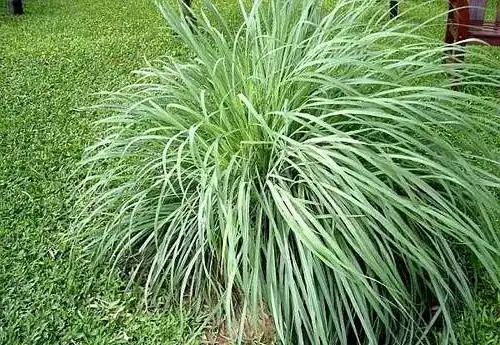
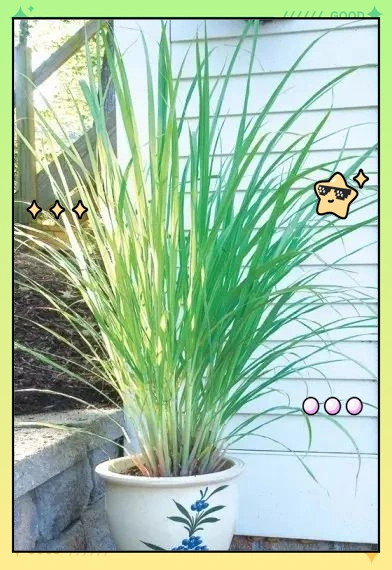
Lemongrass, known as cymbopogon citratus and also known as shantao, originated in the west indies and eastern africa and was later introduced into chinese cultivation. This multi-year herb plant is a fresh fragrance suitable for planting not only in large gardens or gardens, but also on the balcony. Lemon grass is an anti-smoke plant with fresh aroma suitable for growth in southern cities and can be grown on courtyards or balconyes. It should be noted, however, that citrus, as a tropical plant, is mainly suitable for growing in cities of the south。
2. Vanilla
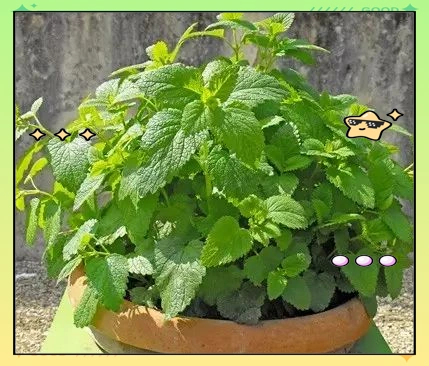
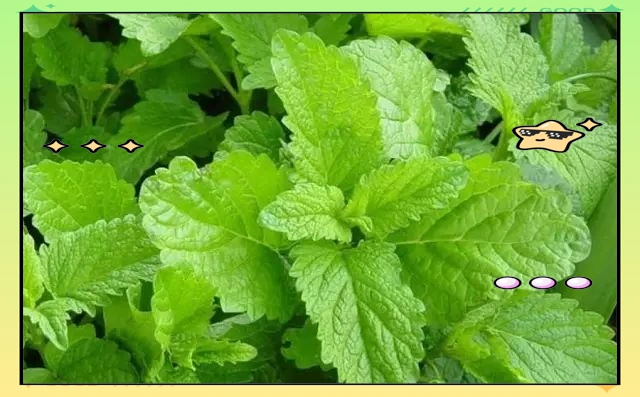
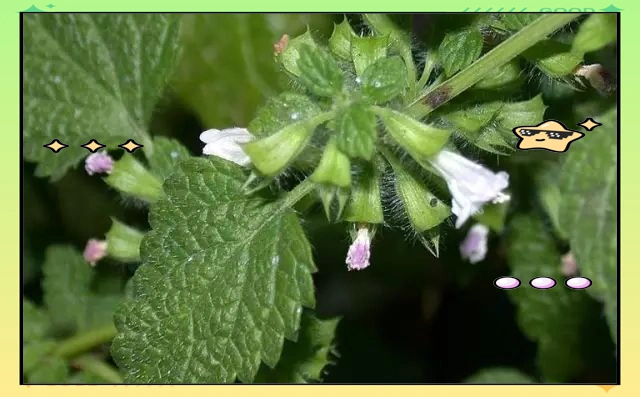
Vanilla, known as melissa officinalis and known as bees, is a vanilla plant common in the kitchen. Its entire plant emboldened its fragrance, which originated in the temperate middle east region, because it is widely grown globally, a relatively rare plant in china, and is now widely grown around the globe. Although relatively rare in china, you can easily buy it through some of the electrician websites。
Cat mint
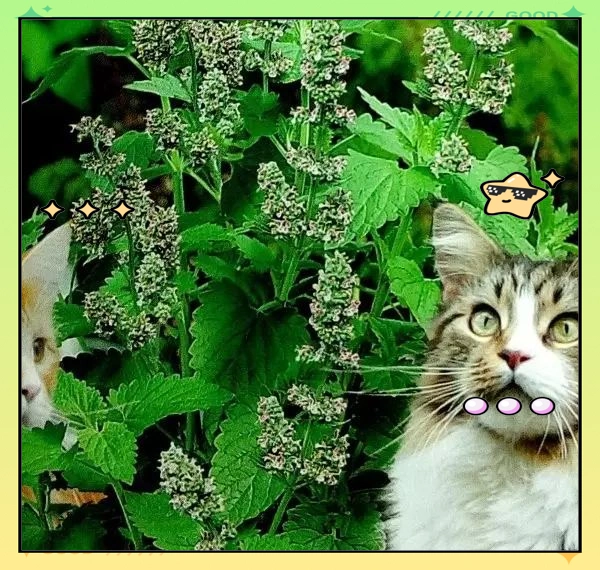
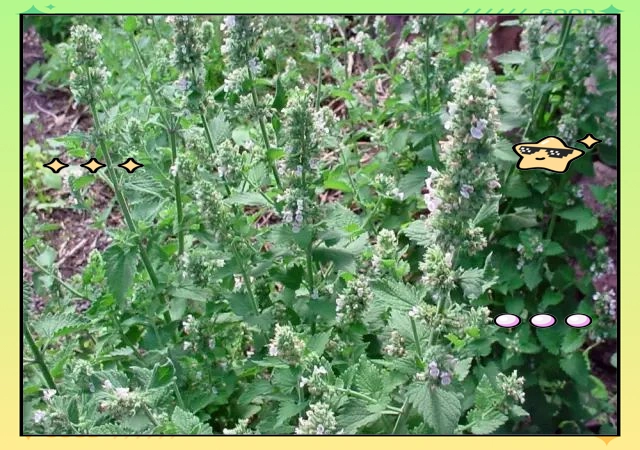
Cat mints, known as nepeta cataria, are naturally distributed in most provinces and cities of china and are therefore readily available on the market. The plant is small and growing rapidly and is well suited to plant cultivation. Cat mints are naturally widely distributed in china and are suitable for potting plants, but need to be replanted every year and not suitable for cat-raising families. In addition, cat mints are particularly attractive to cats, who often eat them alive, so that friends who raise cats at home may need to be careful not to recommend cat mints at home。
4. Mint
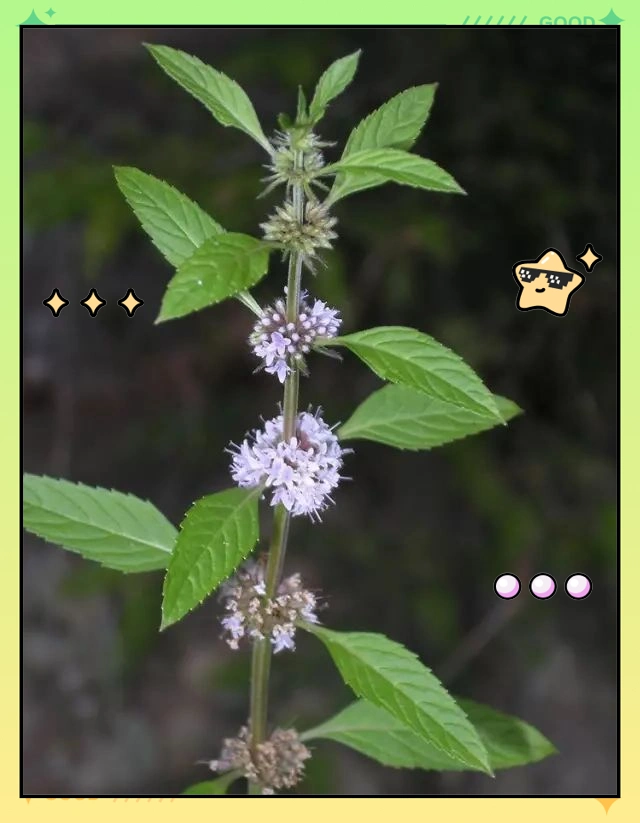
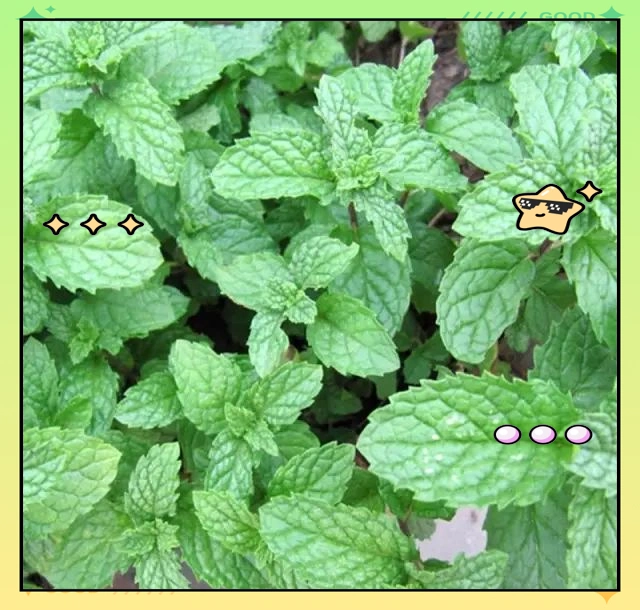
Mint, called mentha haplocalyx, unlike cat mint, it's not attractive to cats. However, mint oil has a significant mosquito repellent effect, which, like cat mints, needs to be replanted every year. It also gives mints the ability to treat mosquitoes. But it is also important to note that mints, like cat mints, are one-year plants that need to be replanted every year。

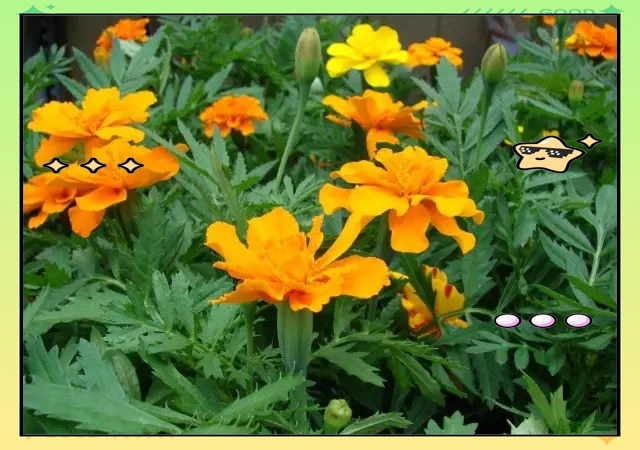
It's five thousand
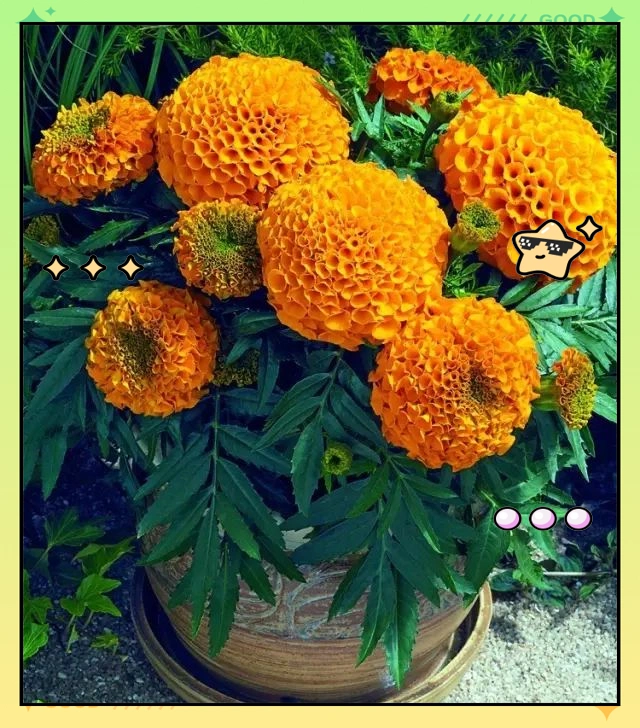
Mansions, known as tagetes erecta, also known as the fragrance, are part of the aromatic plant despite its poor smell. This type of aromatic oil, originating in mexico, which requires sufficient sunlight and is not suitable for indoor cultivation, is now widely cultivated in the country and has produced numerous varieties of cultivation. Volatile aromatic oil is distributed throughout its body, but it is important to note that it prefers sufficient sunlight and is therefore not recommended for indoor cultivation。
6. Roller
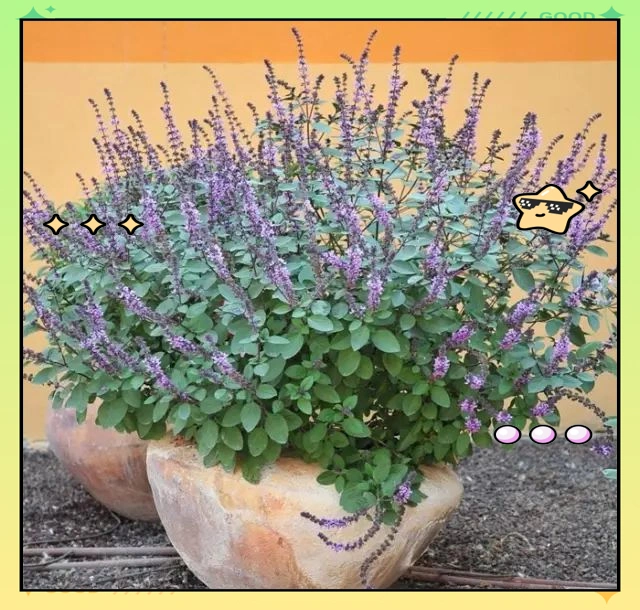
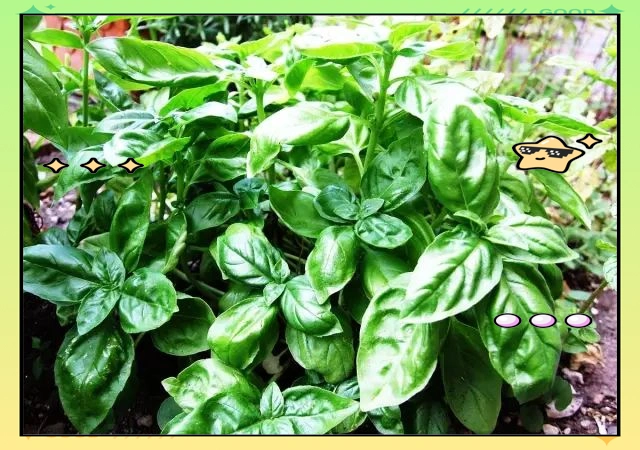
Rohler, known as ocimum basilicum, a widely distributed kitchen vanilla plant in china, not only adds a unique flavor to cooking, but is also hailed as a mosquito-resistant plant. It has been reported that its aromatic oil composition was confirmed in a malaria magazine in 2011 as having 100 per cent anti-stomosis effect, and that this finding undoubtedly adds more mysterious colours to rollel's potential for different effects depending on the environment and the way in which it is used, despite the fact that it not only adds a taste to cooking, but that its effects are scientifically proven。
7. Rosemary
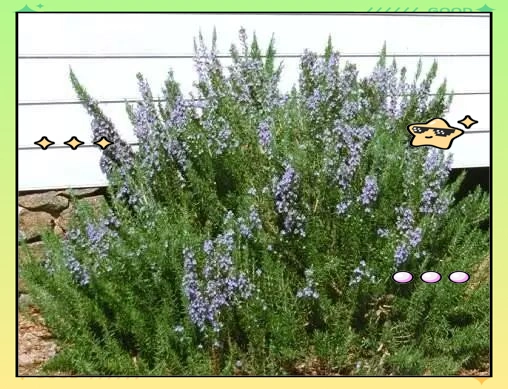
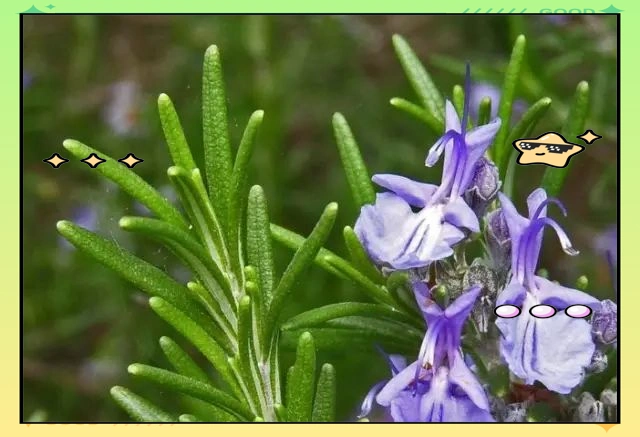
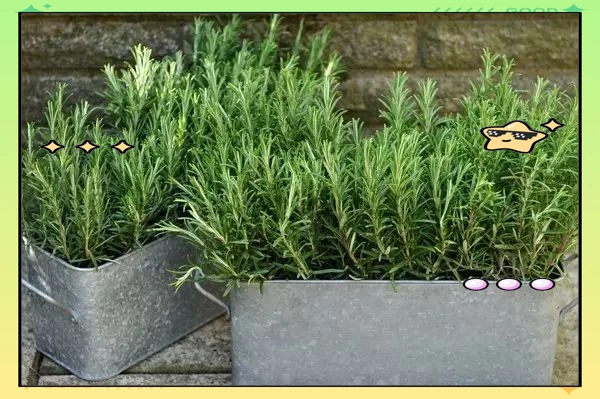
Rosemary, known as rosmarinus officinalis, a plant that has been repeatedly referred to in the celtic folk's rumour, is not only loved by its aroma, but has been transformed into a song by a taiwanese singer. In ancient legends, rosemary symbolizes eternity and loyalty, and its unique fragrance as if it were able to travel through time and time to tell the stories of the millennium. Rosemary originates in northern africa and is of medicinal and cooking value, but it is very strong and needs to be grown in appropriate quantities. Its unique fragrance is not only intoxicating, but is often applied to the pharmaceutical and food industries because of its medicinal value。
8. Mosquito weed removal
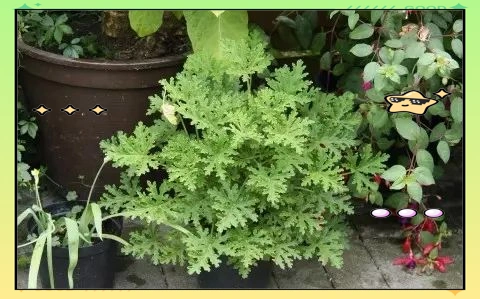
The common weed, in fact, is the "smooth-leaved sunflower," which is the kind of sunflower that repels mosquitoes with its unique scent. However, the common weed-excavated aroma, which has an anti-verbal effect, requires attention to the amount of cultivation. Although the fragrance of this plant can be effective in repelling mosquitoes, it is equally discomfortful to grow too much and the effect of a single or two batches of mosquito repellent is not clear enough. As a result, we often find ourselves in a dilemma when choosing。
02 pest planning plant exploration
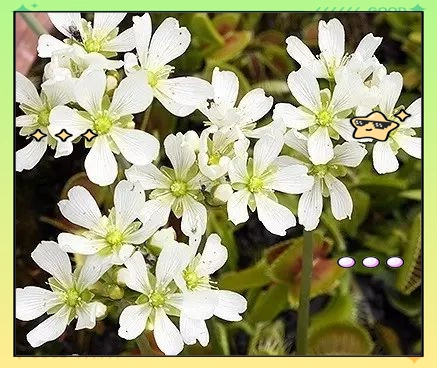
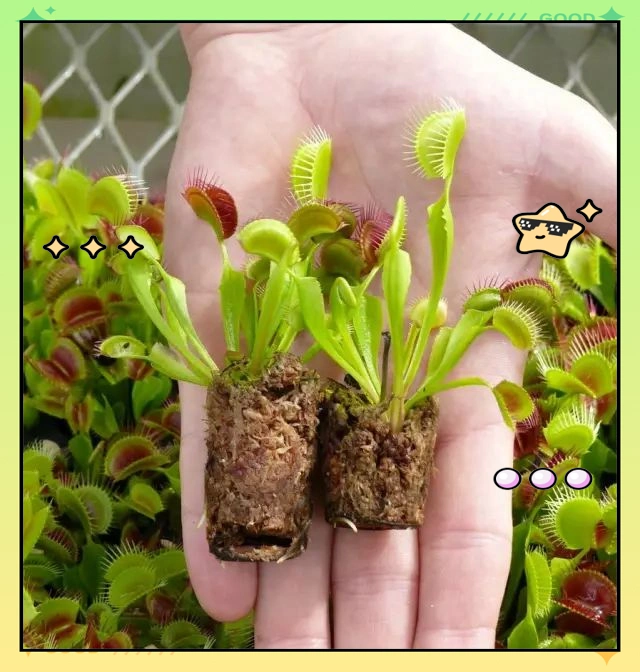
1. Venus fly grass
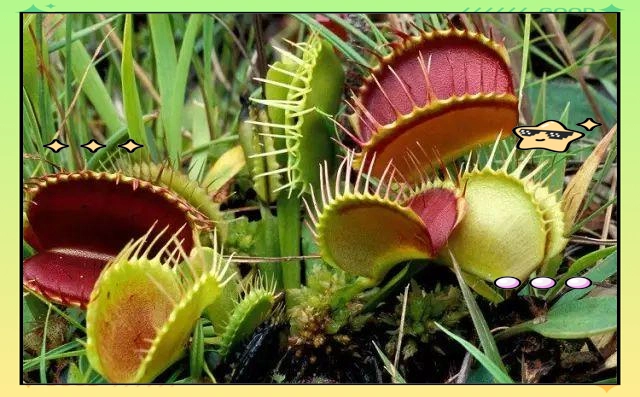
Venus fly grass is known for its unique insect trapping mechanism, which can quickly seal off prey. This vermin-hunting plant, known as “insect hunting”, is undoubtedly the preferred choice of many plant lovers. It belongs to the salsa cuisine and is a rare species unique to the world. In a wild state, venus fly grass is located only in the united states of america, in south and north carolina, to a lesser extent. Its insect trap, its striking “big mouth”, shows a remarkable capacity for containment. Once an insect of the right size has stepped into its range, the speed of closure is amazing, and escape is almost impossible。
Pig cage grass
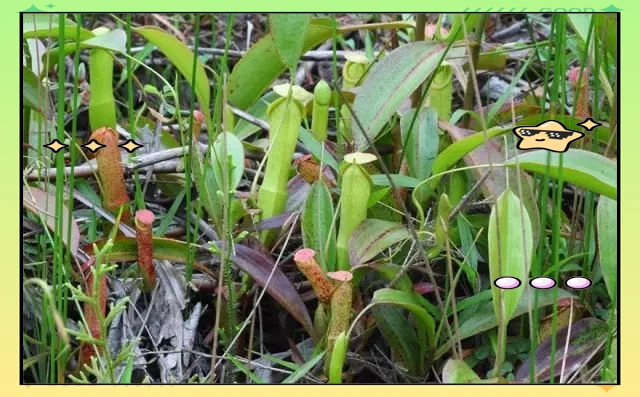
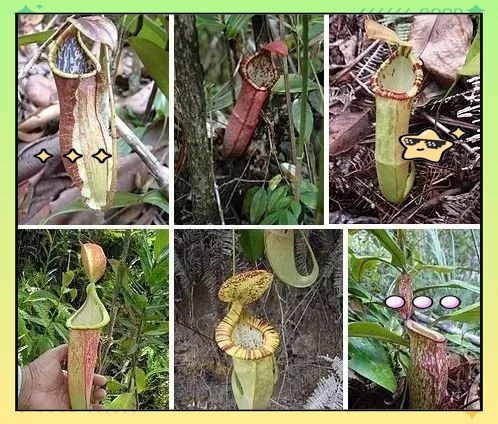
Pigcage uses a more moderate induction strategy, with a significant length of the insect trap and acidic “indigestion fluid” in the “bottle”. Pigcage uses a slow induction strategy, and its “bottles” contain acidic digestive fluid in a unique form. Once small insects fall, it is difficult to escape, the “cap” above the “bottle” will not be closed, and many types of pig cages have relatively small lid designs that not only increase the diversity of their catchers, but also make many types of pigcage caps relatively small and add a unique beauty。
3. Soy sauce
Saptilla, a pest-hunting plant that has been dubbed “excellent”, tactfully uses the slime on leaves to catch insects. The mucus of the tuber, whose insect trappers are so clever that they are widely distributed and easily grown. When the prey is stuck, the tentacles on its trap are slowly curled, and the worms are gradually sent to the depths of the trap。