The education and training of adolescents, who are the hope of the future and nation of our country, are fundamental to the long-term development of our country. As society progresses and laws and regulations are improved, the legal awareness of adolescents is gradually being taken into account. It was therefore particularly important to know the legal knowledge that was at stake. This paper will focus on legal literacy for young people, helping children to better understand society and use their own laws to protect themselves。
In china, the law provides for compulsory education for children who have reached the age of six and parents have a legal duty to enrol their children in school. At the same time, adolescents need to be informed about basic transport laws in their daily lives, such as the regulations for the implementation of the road traffic safety act, which expressly exclude minors under the age of 12. This knowledge is not only about the safety of adolescents, but also provides the basis for their development。

In addition, under the penal code, 14 years of age is the age at which a juvenile begins to assume partial criminal responsibility. This means that juveniles over the age of 14 may be held responsible for offences such as intentional assault, robbery, etc. This legal provision reminds young people to remain sober at all times and not to enter the crime zone. At the same time, the right of minors to a lighter penalty in criminal cases is also reflected in the law's protection and care of juveniles。
In addition to basic compulsory education and criminal responsibility, adolescents should be informed of the law on the protection of minors and the law on the prevention of juvenile delinquency. Both laws specifically aim at protecting the rights and interests of minors and prohibiting and suppressing all violations against them. Learning about these laws helps young people better protect themselves and their legitimate rights and interests。
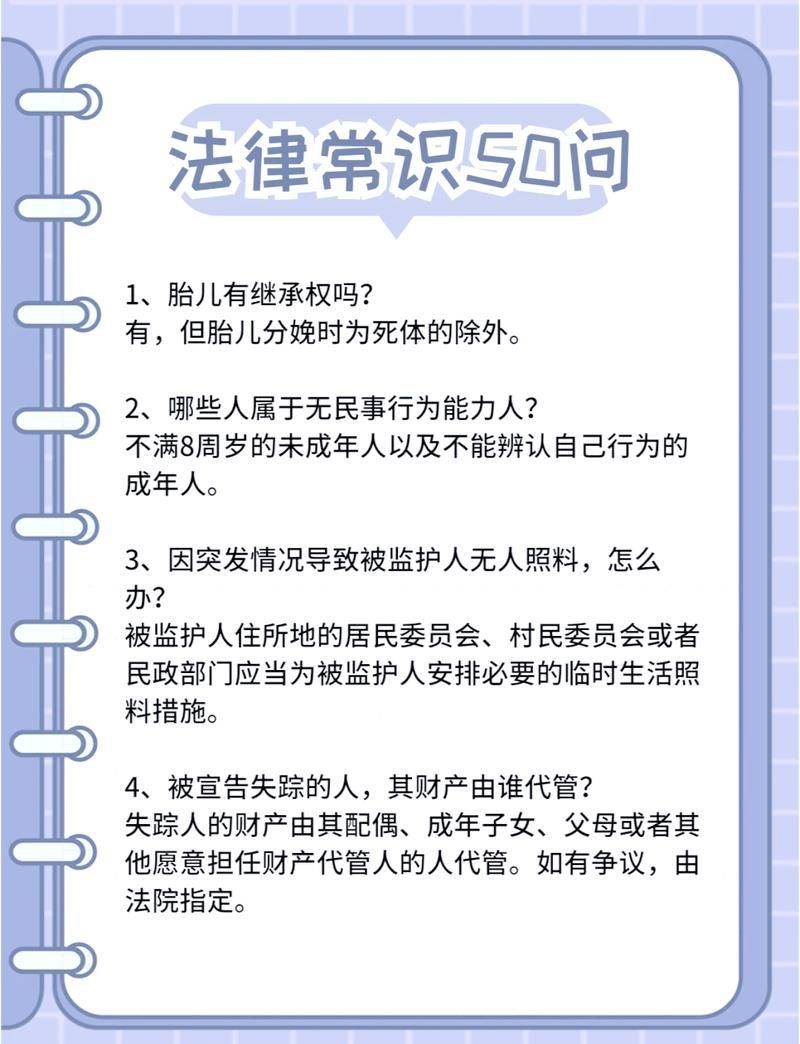
The use of legal weapons to protect oneself requires, first and foremost, greater awareness of the law. Adolescents can improve their legal literacy through a variety of channels, such as the rule of law education curriculum in schools, legal awareness campaigns, etc. At the same time, it is important to learn to examine the truth and to improve its judgement and avoid being deceived. In addition, in the event of difficulties, adolescents should remain calm, actively seek help and communicate with parents or teachers in a timely manner to prevent the situation from spreading。
In the process of strengthening self-prevention, it is essential to develop healthy life learning habits. Rejection of yellow gambling and compliance with the laws and regulations will enable young people to maintain good mental health and values. Participation in legal literacy and outreach activities not only enhances the legal awareness of individuals, but also sets a good example for peers around them and allows more people to benefit from rule of law education。
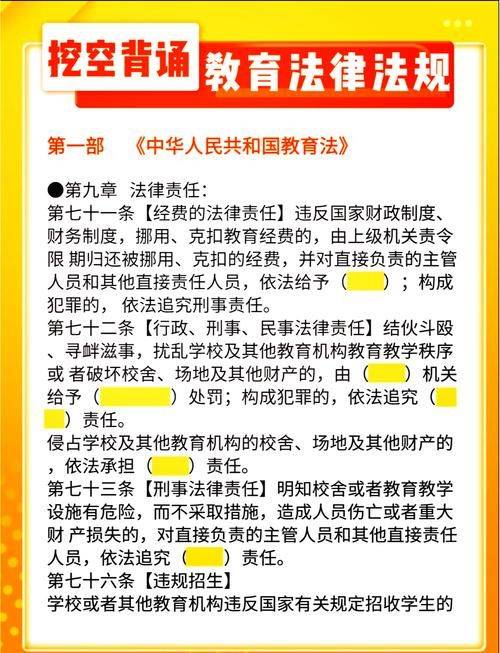
To that end, all sectors of society should work together to increase the focus and investment in legal literacy for young people, to integrate the rule of law into extracurricular activities and to stimulate legal enthusiasm among young people in a variety of forms. Through practice and experience, they are able to consolidate the concept of the rule of law while recognizing the beauty of the law。
The effectiveness of education for young people in the rule of law is related to future rule of law-based state implementation and affects long-term trends in the country. It was to be hoped that every young person would move beyond the rule of law, understand the rule of law, use the law to protect his or her rights and be the backbone of future societies。