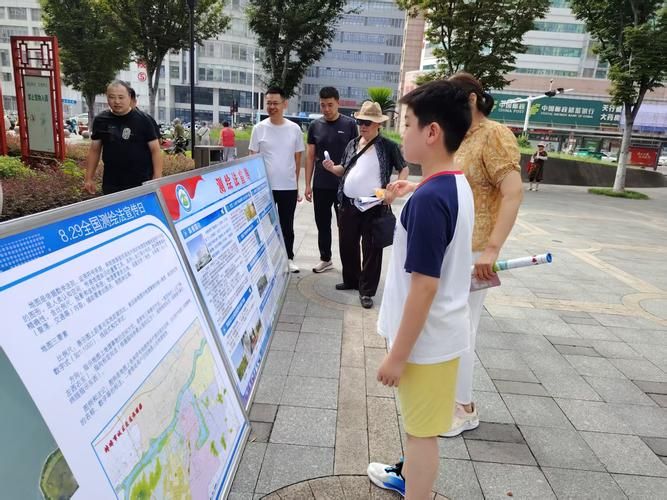
"healthy mouth, smiling life"
1. Healthy and whole-of-the-creatures sets are the basis for the health of the permanent teeth
A whole and healthy breast-tooth column can function as a normal chewing device, which guarantees the normal growth and development of both the permanent tooth and the cheek bones, facilitates the accurate pronunciation of the child, guides the normal growth of the permanent tooth, and enables the child to acquire health and use permanent teeth throughout the life cycle。
2. Encouraging children to eat more fibre-based food and enhancing chewing
Healthy eating structures and good eating habits are the basis for oral and wholesome health, and children benefit from good eating habits throughout their lives. Children should be careful to balance their diets so that they do not choose foods with high, nutritious and abundant fibres, especially vegetables and fresh fruits, which are conducive to the self-cleaning of their teeth, the risk of disease and the growth of their oral cheeks, and the promotion of the proper organization of their teeth and the enhancement of chewing functions。
Three. No eating before you go to bed

Owing to low oral exercise during sleep, low saliva levels, poor self-cleaning of the mouth, there is a high risk of diarrhea and dental fever if you brush your teeth before you go to sleep. In addition, children should develop the habit of regular diets, with minimum snacks except for three meals a day. If snacks should also be regular, they could be added between two regular meals。
4. Helping the child to stop bad oral habits as soon as possible
The children's oral habits include: sucking, biting on the lower lip, spitting on the tongue, breathing on the mouth, etc., which should be removed as soon as possible, otherwise they may cause the aberrations of the mouth, such as pretense, narrow bows and congested teeth. If children over 3 years of age still have the above-mentioned bad habits and cannot be removed by persuasion, they should be treated in a timely manner at the hospital and be helped to combat them through appropriate corrective methods. In the case of children with oral respiratory habits, the upper respiratory tract should be checked for smoothness, the treatment of such diseases as the swelling of tonsils, the fatness of gland samples and the thickness of the nasal nails, and the timely correction of the oral breathing。
5. Local fluorine prevention of lactation
Fluorine toothpaste has a positive effect on disease prevention. Pre-school children usually wash their mouths and excrete foreign objects from their mouths, so that they can brush their teeth with fluorine toothpaste, but each time they are of peaparticle size and are applied under the supervision of parents or teachers to prevent misuse. Don't give kids adult toothpaste. In addition, fluorine can be used by professionals in hospitals and kindergartens to prevent disease。
6. Lactation disease should be treated in a timely manner

Diseases affect children's oral and overall health. The first manifestation of the disease was partial discoloration of the teeth, usually black, and sometimes white-coloured changes in the upper front teeth, which resulted in the skin of the teeth being stripped of their hard tissues and the formation of holes until the teeth completely collapsed and fell off. The disease can cause the child a tooth pain, swelling of the teeth, facial swelling and even high fever. The chronic lack of treatment for disease can result in children chewing side by side and asymmetrically developing side by side; it can also affect the normal growth and growth of a constant tooth. Without healthy teeth, children do not want to eat fibre-rich vegetables and meat, which leads to poor eating habits such as diet, which affects normal growth and development throughout the body. Therefore, the notion that “nurse teeth are always changed and broken” is wrong。
7. The biggest oral change among school-age children is the change of teeth, and abnormalities should be detected in a timely manner
The biggest change in the mouth of school-age children is the change of teeth. At this stage, the child's 20 teeth will gradually be replaced by 28 permanent teeth. Teeth replacement is a physiological process, and the normal sequence is the looseness of the breast teeth and the emergence of the permanent teeth. If the teeth are not lost and the permanent teeth are pre-emergenced, the new ones often fail to enter the column, causing the permanent teeth to fall apart, and should be treated as early as possible。
8. Actively combat dental trauma
When participating in sports activities and games, children are best advised to wear gel-resistant sneakers and sneakers. In high-speed, high-risk sports such as skateboards and wheelboards, protective gear such as helmets and tooth-tips should be worn to reduce the risk of dental injuries。
Teeth are non-renewable hard tissues, and if a tooth bleeds, fractures, breaks, relaxes and moves after injury, they should be admitted to the hospital immediately。
If the whole tooth is removed, the tooth must be found as soon as possible, and the body of the head of the tooth must be held by the hand, with cold water or piped water, to wash the dirt off the surface of the tooth, but never brush, scratch the root of the tooth, and then wash the clean teeth back into the sink; it may also be covered in fresh cold milk, saline water or in the mouth, and promptly visit the hospital. The shorter the teeth leave their mouths, the greater the likelihood of success in replanting, the better to be treated within 30 minutes。
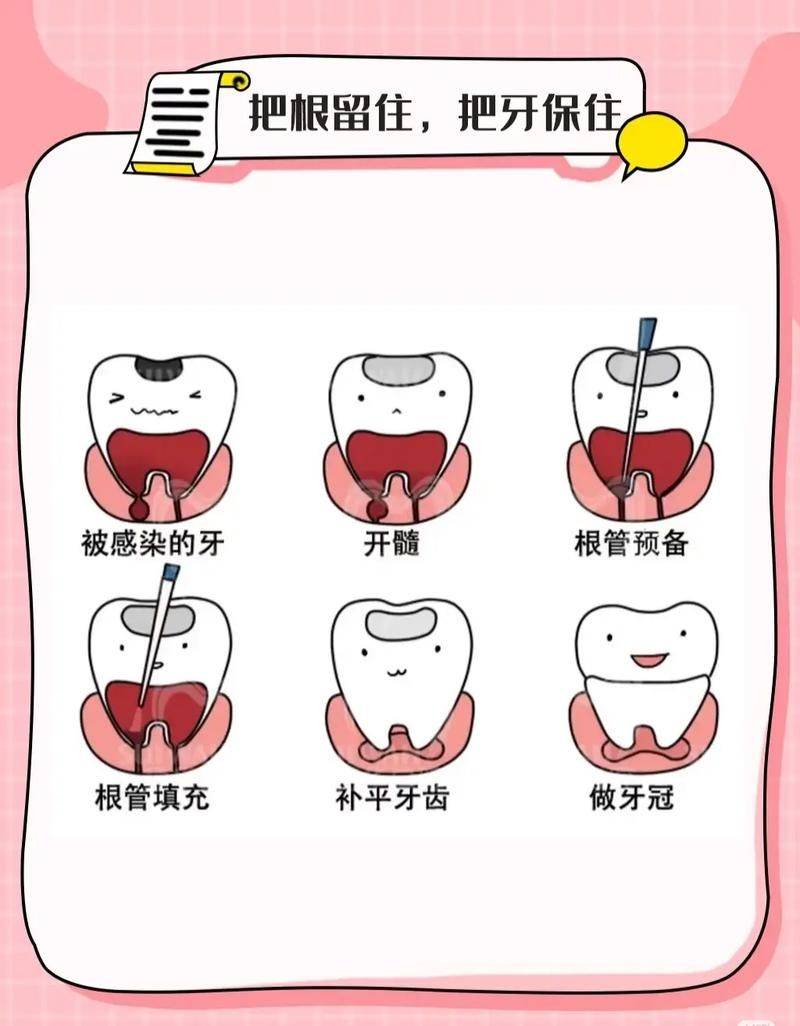
9 - prevention of “six-age teeth” (first constant grinding of teeth) by gutter closure shit
“six-year-old teeth” are the earliest long grinding teeth in the world, with the most powerful chewing function, the most prone to disease and even premature loss, so it is important to protect children's first long grinding teeth. Deny closures are the most effective way to prevent permanent grinding. The rationale is to fill the gutter with high-molecular material so that the teeth are smooth and clean and bacteria are not easily stored to prevent the gutter. It should also be recalled that when the gutter is closed, it should also be brushed properly, and when periodic oral examinations are carried out, the closure should be re-closed if it is found to have fallen。
Attention to the prevention and control of young people's teeth rin
Teenage arthritis is manifested in haemorrhage, swelling of teeth, oral aroma, etc. During brushing and biting of hard matter, the causes of which are related to changes in levels of adolescent hormones and, more importantly, the accumulation of toothbrushes. Therefore, the most effective way to prevent and treat young people's toothitis is to clean their teeth effectively. More attention should be paid to brushing teeth when haemorrhage occurs, with a small amount of toothpaste in the area of haemorrhage, a small number of repeated brushes, and, combined with the use of dental wires, the complete removal of the toothbrush. If the above-mentioned method is not effective, it should be referred to medical institutions with professional qualifications。
11, dental problems should be addressed in a timely manner
The gap between the two front teeth that have just emerged is large and normally disappears as other front teeth emerge. If the gap is too large or cannot be automatically closed, the hospital should be examined. Parents must not simply close the gap with rubber bands. Usually, at about 12 years of age, breast teeth are replaced by constant teeth. In the case of malformations where the teeth are not properly organized, corrective action can be taken during this period to achieve good therapeutic results. It should be recalled that children undergoing treatment for malformations are required to brush their teeth every time they are fed in order to remove bacterial spots and food debris that remains, and it is recommended to choose the deformity of specialized toothbrushes and inter-teeth brushes to clean their teeth。