Health literacy refers to the ability of the population to access and understand health information and to use it to maintain and promote its health. As an evaluation indicator for health development, the “health six” development strategy has been incorporated. In 2020, the health level of the inhabitants of our district was 38. 7 per cent, reaching the city-wide average for the first time, laying a solid foundation for the construction of provincial health promotion districts. In recent times, the cpac medical teams have been taking 1508 random samples from villages, schools, hospitals and institutional enterprises around six major types of health care that are closely related to the lives of the population, and conducting a written questionnaire aimed at identifying ways to improve health care for the entire population by analysing gender, age, educational qualifications, occupational knowledge and behaviour。
According to the survey data, the health knowledge and behaviour of the inhabitants of our region is characterized by “two differences, one missing”: one is that health knowledge is more diverse. Access to knowledge is relatively monolithic, and traditional methods such as lectures and television broadcasts remain the main channels, with new media such as twitter only accounting for about 25 per cent of the total number of students and only the top three; the population's correct perception of health and basic public health is about 50 per cent; 51. 5 per cent of the respondents are unaware of the term health literacy, and the source of health prevention is not good enough. The second is that the health-care population varies considerably. Health awareness is lowest in primary schools and below, with the highest levels of health education in the post-secondary and above population groups; the highest levels of health care are among health workers, with relatively high student population, relatively low levels of community and enterprise workers, and the level of health education is relevant to the level of education. Third is the lack of healthy behaviour among some residents. Over 40 per cent of the population is overweight or obese, and while more than half of the active population is active on a regular basis, 41 per cent of the population is less than medium-intensity and lacks awareness and intervention in scientific campaigns. The smoking rate is 19. 1 per cent over the age of 15, with more than 74 per cent of the smokers having no or recent will to quit smoking, nearly 40 per cent of the alcohol-drinking population having no effective prevention and control of unhealthy lifestyles and behaviours; more than 95 per cent have health check-ups, more than 93 per cent of the population have self-protection against the new coronary pneumonia epidemic, and awareness of health protection for all needs to be strengthened。
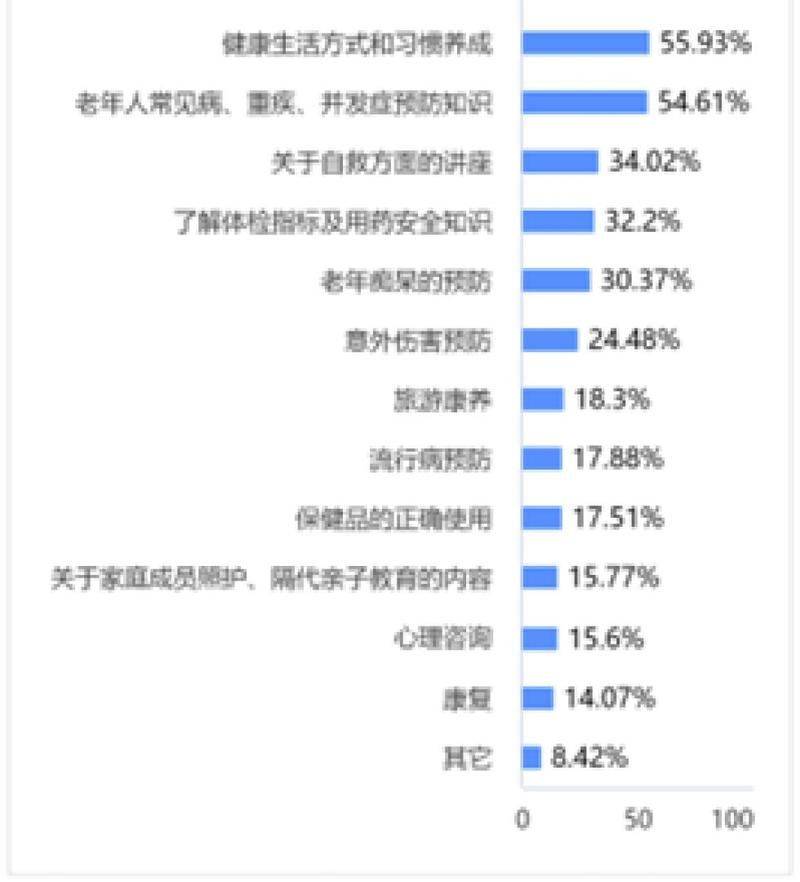
The reason for this is that, although there is a certain degree of individual subjectivity, it also reflects the fact that we are short-sighted in terms of social guidance, the setting of policies and the implementation of measures for the health of the entire population: firstly, there is a lack of close collaboration in health promotion. At present, there is a general lack of functioning health education mechanisms in our region, with the exception of individual functional units, and a lack of regular health education initiatives for institutions, enterprises and management clients. Health education and promotion in grass-roots villages is largely administratively driven and is fragmented and ad hoc. Second, health education does not match supply and demand. Education content is not sufficiently aligned with the needs of the population to enable it to be adapted. Educational methods are not sufficiently rich and innovative, and the use of new media, such as twitter, is low. There is a shortage of educational spaces, many public places do not provide enough space for public health education campaigns, and community lectures for the elderly have been hampered by the involvement of social forces, which have a commercial component. Thirdly, the health service is not adequately staffed. The existing specialized health education institutions in our region are primarily responsible for continuing education within the industrial system of the former institute of corrections, with only one section devoted to social health education and promotion. Most health-care institutions do not have health education units, and most work part-time for non-public health professionals. Among the social forces, there are a large number of educational training and private medical establishments, but there are few health education as the main area of activity。
High levels of health not only increase life expectancy, but also contribute to a better quality of life in non-disease situations and meet the need for a better life. To this end, it is recommended that:
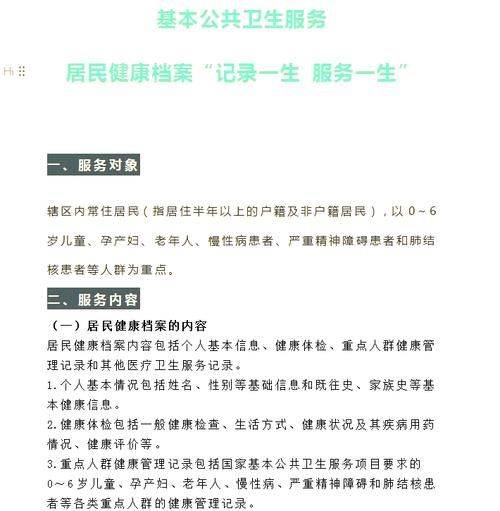
1. Strengthen organizational collaboration to build a universal health service. The implementation of long-term health education for the entire population, with the technical support of government-led, multisectoral and health management centres, as well as with the support of commercial insurance institutions, and with the participation of all, the “five ones” health management services are integrated into a healthy lifestyle for the entire population, with a view to reaching the entire population and the entire life cycle. Health promotion agencies, smoke-free institutions, health promotion enterprises are being promoted throughout the region, and rural health education is being strengthened in the context of disease prevention and control. It is proposed to strengthen the monitoring of smoking control measures in public spaces. The federation of women's unions is carrying out activities such as the healthy star “health family”, the health model schools in the education sector, the health thematic park (plaza) in the municipal sector, and so forth。
2. Strengthen precision services to improve the effectiveness of health education for all. It is guided by the health needs of the population and is linked to the prevention and control of the epidemic, both online and offline, with a high degree of focus on the population. To improve the frequency of the “six-step” activities in the health sector, using a variety of tools, such as peer education, competitions and group activities, to create a healthy and supportive environment. Attempts have been made to use new media, such as microblogging, twitter, shivering and fast-tracking, as important complementary means of reaching the last kilometre of community health science through “cloud feed + grass roots”. Health education interventions are tailored to the specific characteristics of different groups of the population, with a view to strengthening health screening efforts and providing “early detection, early diagnosis and early treatment” for the health of high-risk groups; providing free medical consultations and counselling services to help vulnerable groups to develop healthy lifestyles; and focusing on the use of internet-based information technology, which regularly sends health information via text messages and public numbers, relying on “internet+medicine” and providing specialized, individualized health care services。
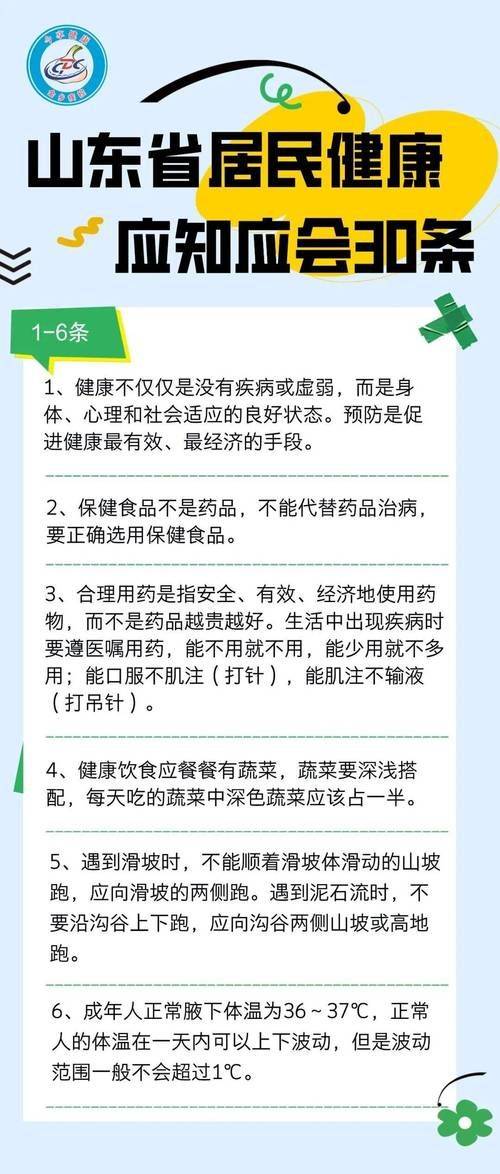
3. Strengthened elemental security and a foundation for health for all. A multi-channel health education effort is being developed, with the introduction of an additional pool of health education professionals in preventive medicine and public health, grass-roots group organizations and social organizations, and a supplementary set of health education professionals, using the resources of older members of the community, teachers and doctors to expand the pool, stabilize the workforce and achieve professional careers. In the light of the low standards, the low visibility and homogeneity of existing health facilities, it is recommended that, on the basis of day-to-day maintenance, greater investment be made, and that the construction of district-level high-standard health education and health promotion base-type projects be launched in cooperation with the social forces, with a view to creating six features。