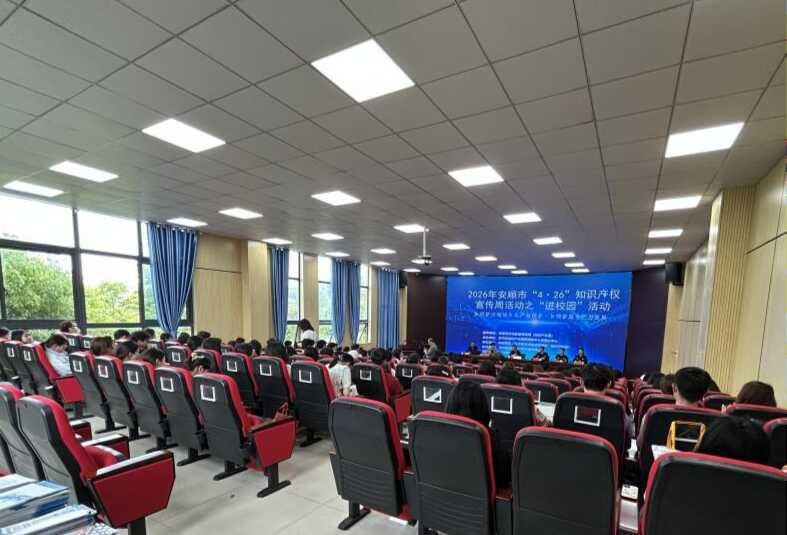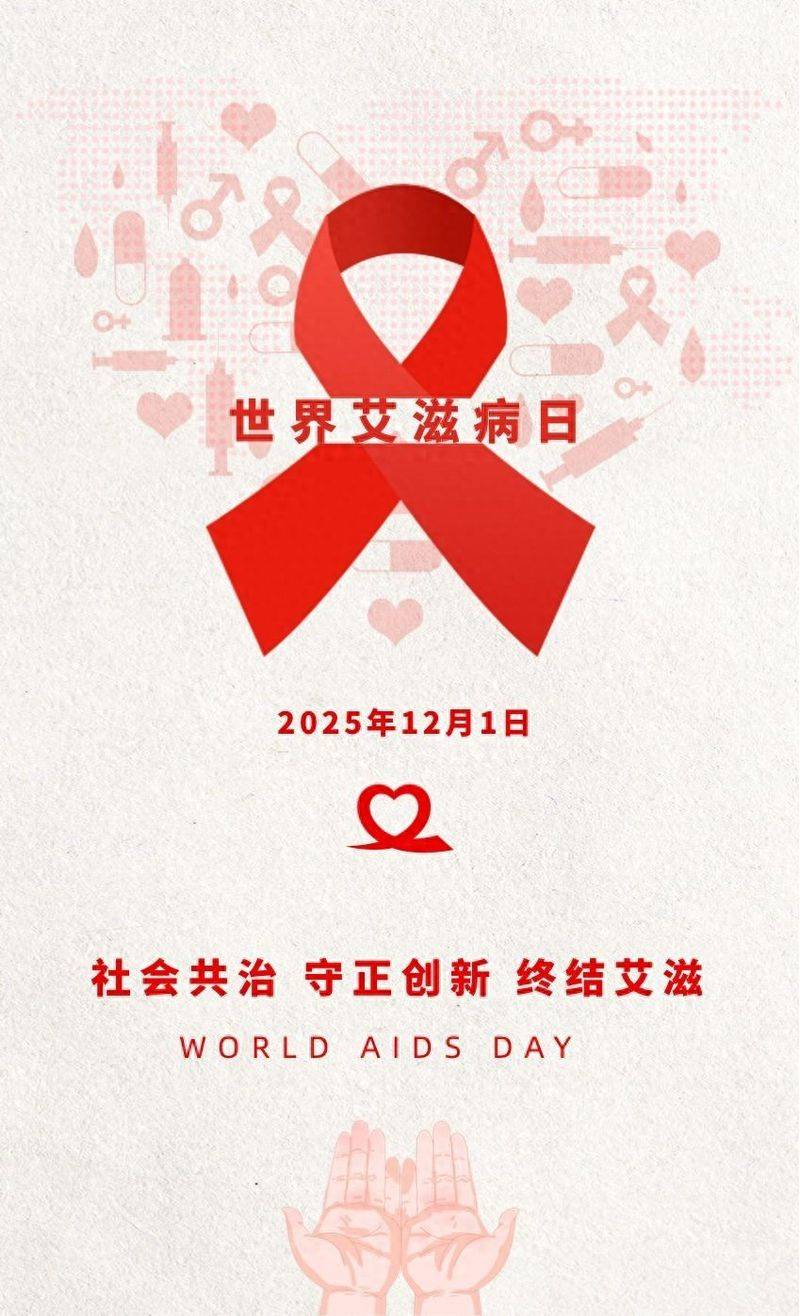
On 1 december this year, xinhua xian (journalist), the 38th world aids day, focused our campaign on the theme “social governance, respect for innovation and an end to aids”. Aids is a controllable chronic epidemic, and how should we understand aids correctly? What areas of error need to be addressed? How to prevent aids in science? Listen to the expert。
Dr. Jahua, deputy director of the aids and sexually transmitted diseases prevention and control unit of the center for disease control and control of the province of shaanxi, explained that, following the invasion of the human body, the main attack was on the cd4+t lymphocytes in the human immune system, which was constantly replicated in the body, gradually destroying the human immune function, causing various infections and tumors. Aids is a major infectious disease with high risks and mortality rates and is one of the major public health problems affecting public health。
“the fear of aids among many stems from a misunderstanding of the means of transmission.” according to java, hiv exists only in specific body fluids such as blood, semen, vaginal secretions and sheep water of infected persons, and is highly fragile in the in vitro environment, which can be rendered inoperable by dry, hot or disinfectant. The routes of transmission of hiv are clear and limited to sexual contact, blood and mother-to-child transmission. Daily working, learning and life contacts, such as handshakes, hugs, meals, shared office tools, shared toilets, mosquito bites, etc., do not lead to the spread of hiv。
According to zhang haeland, the deputy director of the centre for disease control of the city of xi'an, who controls the spread of aids, each person must be the first person responsible for his/her health, maintain a healthy lifestyle, adopt safe sex, reject drugs and avoid the use of untested blood products, among other measures, which can effectively reduce the risk of infection. “preventive post-exposure prevention” should be initiated as soon as possible in the event of high-risk behaviour, such as unprotected sex, occupational exposure and so forth, preferably within 2 hours and no later than 72 hours, to be assessed by a specialist doctor at a designated medical institution. If the risk is assessed, the 28-day period of antiviral drugs will need to start at the earliest opportunity and the entire course will be completed to reduce the risk of infection. In addition, voluntary testing for aids is the first step towards understanding the status of infection and timely access to treatment services, as well as responsible performance in the health of themselves and others, and it is recommended that initial testing take place two to six weeks after high-risk behaviour。
The chief physician of the eighth hospital in the city of xi ' an described aids as a controllable chronic infectious disease, where infected people can receive antiretroviral treatment at a designated medical facility, and where doctors choose individualized treatment options for long-term treatment. The key to treatment is “early detection, early diagnosis, early treatment, and standard medication”. Treatment should begin as soon as possible after the patient is diagnosed to effectively contain the virus. The risk of transmission will also be significantly reduced when treatment reaches the level of continuous “not detection” of viral loads。
Experts stated that the fight against aids was a shared responsibility of society as a whole. Everyone should learn hiv/aids prevention, self-protection and non-discrimination against those infected. All sectors of society need to create an inclusive and supportive environment in which infected people dare to face disease and actively receive treatment。