
Fire prevention
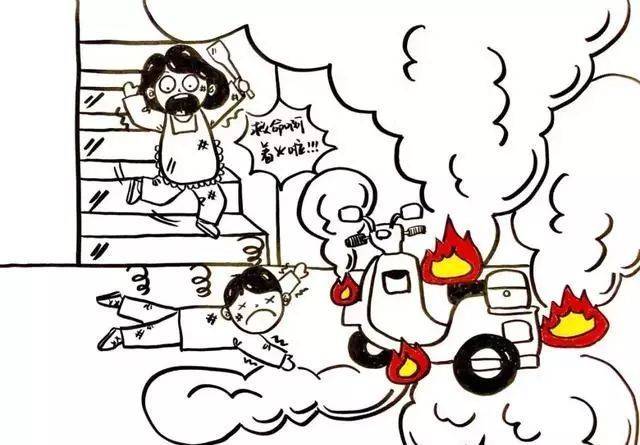
1. Irregular charging of electric bicycles
Infringements of electric bicycles parked on evacuation routes, safe exits, stairwells, indoors and so forth are extremely prone to fire, and the burning of electric vehicles creates black smoke, resulting in insufficient light inside the buildings and seriously affecting evacuation escapes. The electric vehicle fires produce very toxic smoke containing gases such as carbon monoxide, the human body inhales high temperature toxic smoke, the gas pipeline is burned, headaches, nausea, etc., and then dementia and mobility lead to asphyxiation. Within three minutes of the electric vehicle fire, the flame temperature can reach 1,000°c, resulting in an entire four-storey building filled with highly toxic smoke。
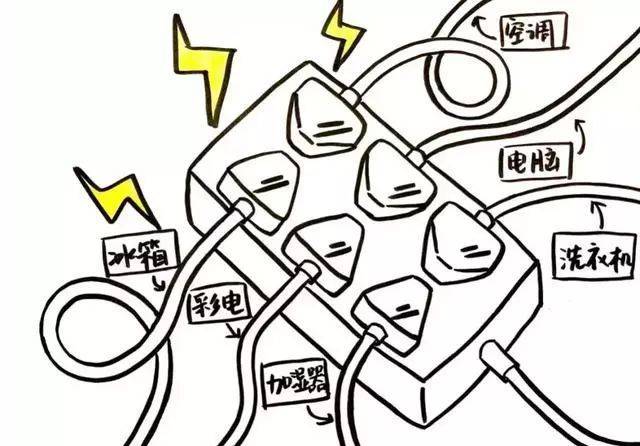
2. Disconnection of electrical lines during daily electricity use
Fire incidents due to electrical malfunctions account for more than 60 per cent of the total number of fires, and private power lines are vulnerable to short circuits, overloads, generating electric sparks, arcs, and high risk of fire and electrocution。
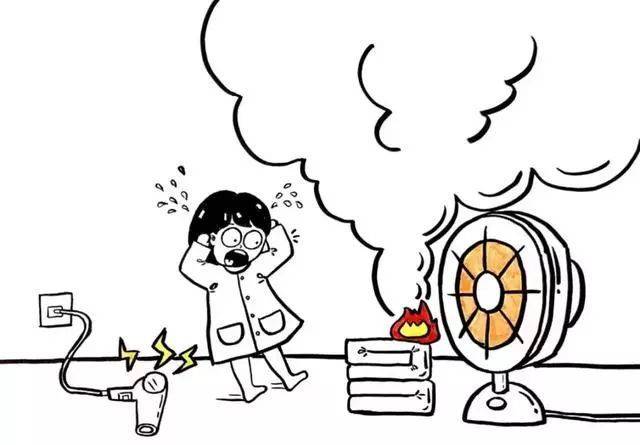
3. Infringement of the use of large power appliances such as electric blowers and heaters
Continued work in water-opening bottles is hot enough to dry the water, and continued drying causes fires; heaters are exposed to clothing in two minutes; and electric blowouts to cotton are burned in two minutes. At the same time, old buildings have ageing electrical wires and the use of high-power appliances is extremely prone to fires。
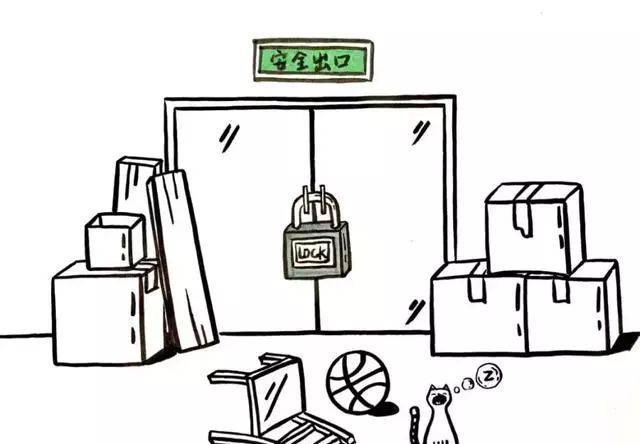
4. Safe exit locks, items stacked at evacuation corridors
The evacuation route, which is a life course following a fire, not only prevents evacuation escapes and prolongs evacuations, but also exacerbates the spread of the fire once it is locked and packed with miscellaneous items。
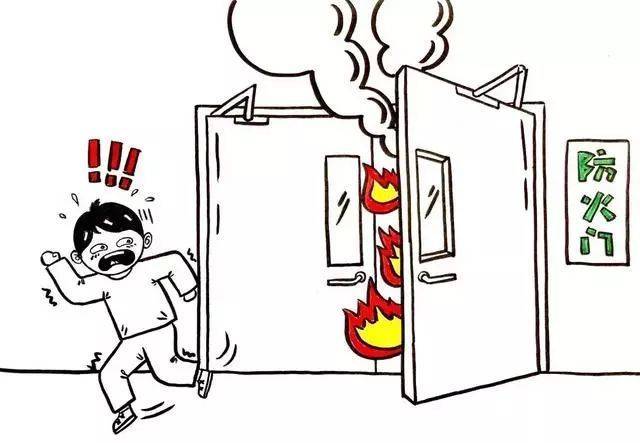
5. Closed fire doors are permanently open
Fire doors are a barrier to the spread of fire and smoke. If the often closed fire doors are kept open for a long period of time, light cannot return to normal positions, heavy may destroy the doors and doors and render them non-smoking, and smoke and fire spread, turning them into “killing doors”。
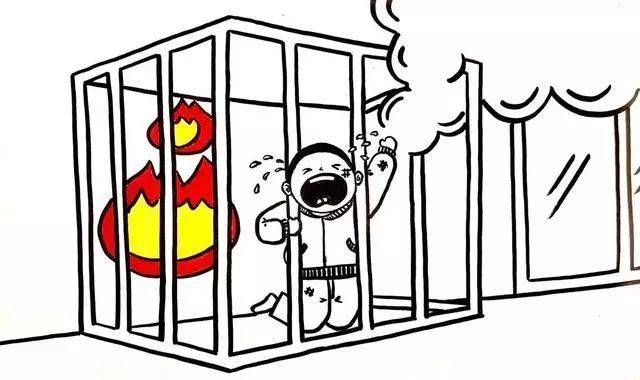
Room protection windows affect escape evacuation
Following the fire, once the escape route of the stairs was cut off by smoke and windows set up inside the room, there was no escape for the personnel. If a window is installed to protect against theft, make sure that an escape point is easily open internally。
7. Failure to close the total valve in time after gas use the door
The main valve is not closed and is prone to gas leaks, and an explosion occurs when it enters the house and turns on electrical appliances, telephone calls and open fires。
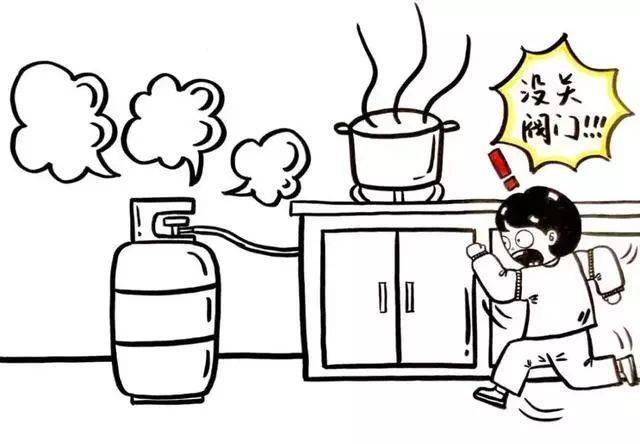
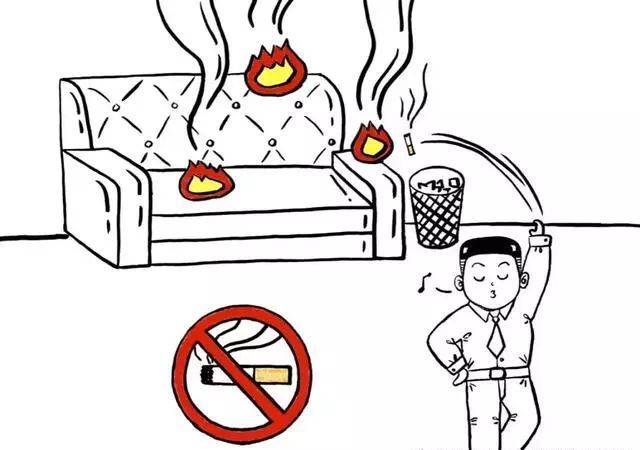
8. Unexploded cigarette butts abandoned at will
The centre of the unsuspensed cigarette butt is at 800°c, leaving the cigarette butt at random for three minutes to ignite paper packs and 10 minutes to cause fires from bed sheets, couches, etc。
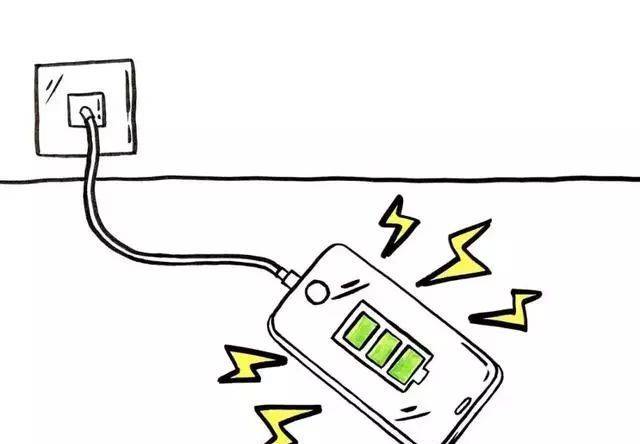
9. Permanent electrical access to mobile phones, electric bottling and old appliances
The failure to unload electrical appliances for long periods of time makes them vulnerable to malfunctions, fires and accidents such as electrocution。
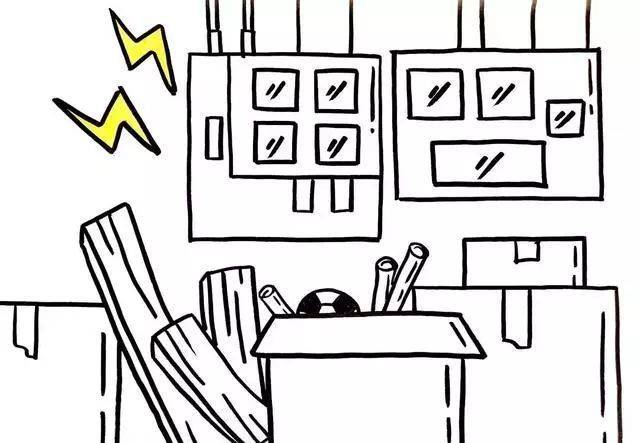
10. Storage of combustible items under electrical and electrical control cabinets
The distribution box, the key electrical control cabinet, is the general switch for electrical appliances, which, when malfunctioned, can easily generate electrical sparks, ignite flammable surroundings and fire。

I'm warning you
Remember fire safety
To defend themselves and their families
Review