Preface:
A lot of people grow radish and sow it, so they grow and grow, and they grow old and thin, and their yields are so poor. What are these three key techniques

Morning
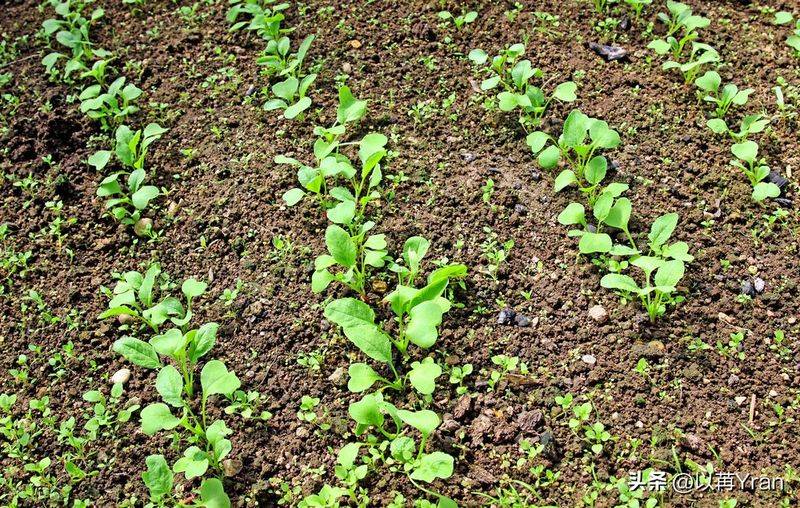
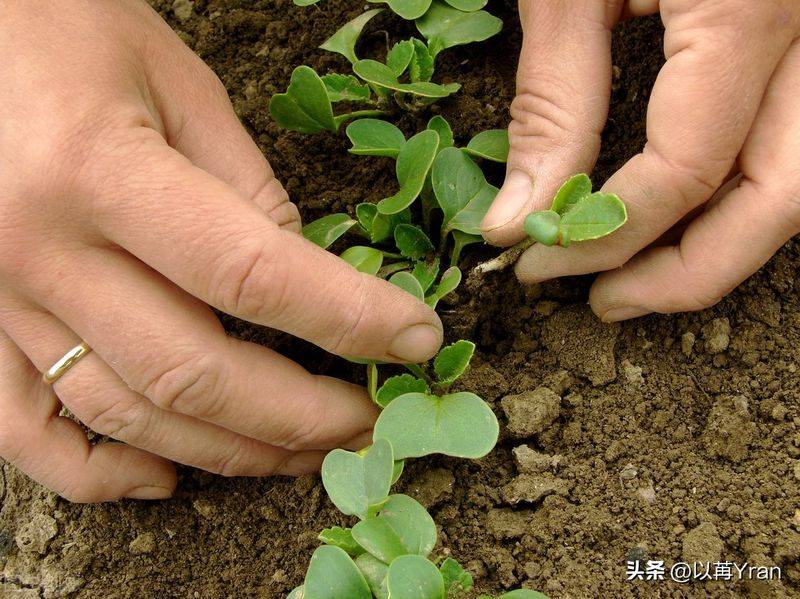
The principle of "early seedlings" emphasizes the timely implementation of the first seedlings. When most seedlings grow two leafs after the radish has sprouts, this is the best time for the first seedling。
At this time, the seedlings are small, shallow, easily repainted, and can be removed at an early stage, creating good conditions for the growth of the strong seedlings。
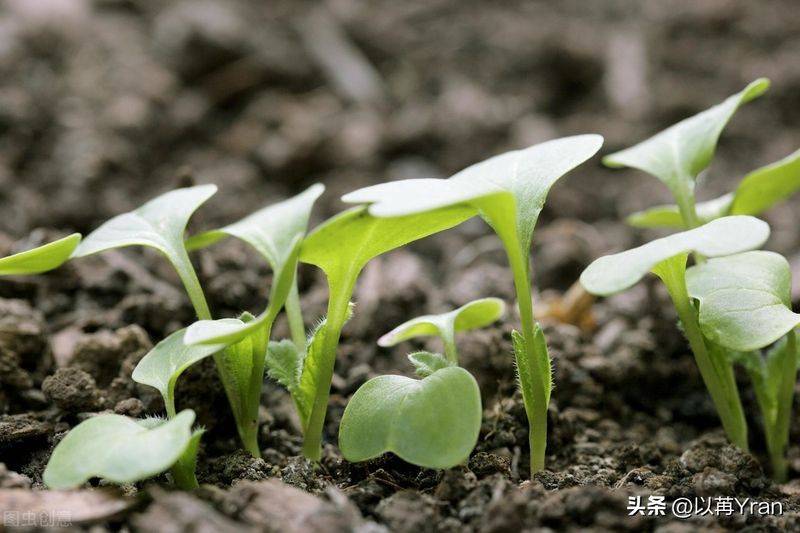
Early seedlings allow radish seedlings to have sufficient space to grow from the outset, to gain more sunlight, moisture and nutrients, and to promote the development of roots and the growth of strong plants. At the same time, early seedlings can be removed in a timely manner, reducing the growth and spread of pests and pests and improving the overall quality of nurseries。
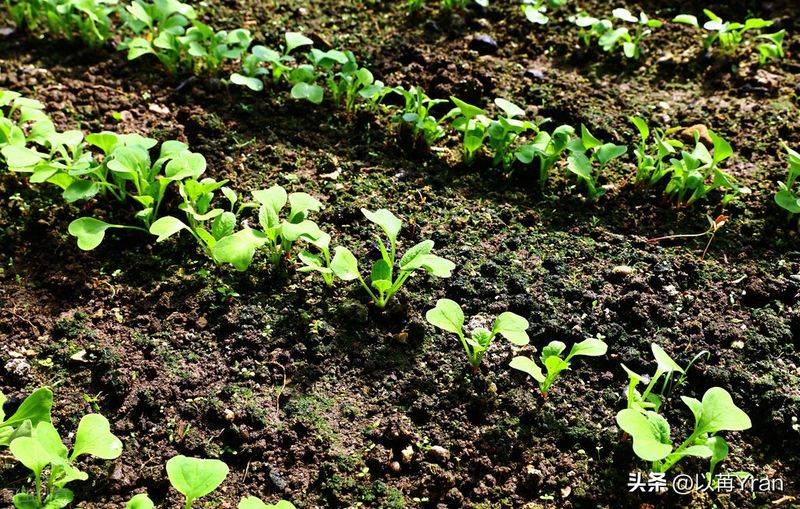
Early seedlings are usually carried out in the middle of the sun or in the middle of the sun, when the soil is humid, both to remove the seedlings and to prevent water loss from the roots after exposure. The seedlings must be soft, divided and violent, so as not to harm the roots。
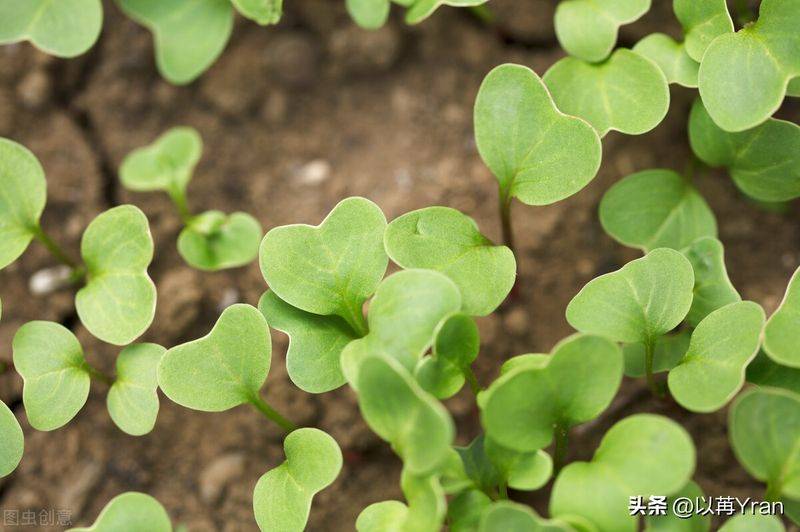
The density of seedlings retained after early seeding is 5 cm x 7 cm, approximately 500 per square metre. After early seeding, radish seedlings are given sufficient space to grow from an early age, reducing competition for nutrients and moisture and contributing to healthy growth。
Reasonable seed spacing not only ensures adequate light for plants, but also improves ventilation and effective prevention of pests and diseases。

Time out
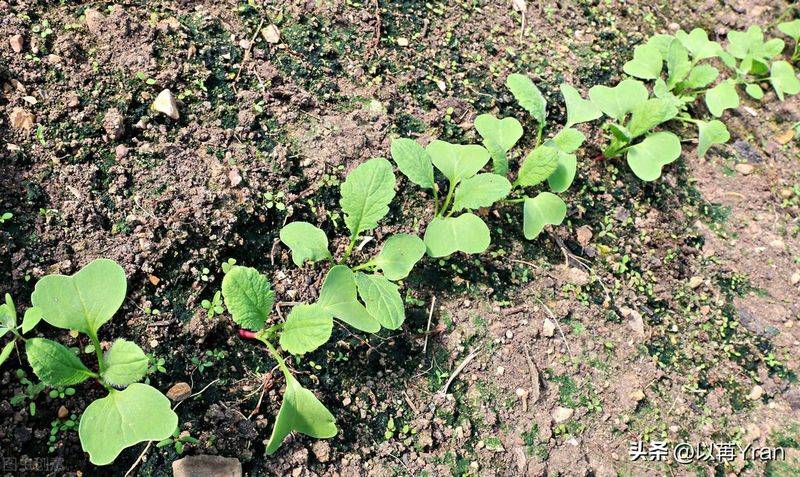
The principle of "time seedlings" means that seedlings cannot be completed once, but are subject to two or three batches depending on the growth of the seedling. This is due to the fact that radish seed sprouts and seedlings are not fully organized and that the growth of young seedlings that are growing at different times varies。
If only one seedling takes place, it is not possible to accurately screen the saplings. Timed seedlings can be screened on multiple rounds, depending on the characteristics of the different stages of the period, to ensure that they are eventually preserved by well-established, high-quality seedlings。
This will not only increase the productivity of seedlings, but also fundamentally guarantee the production and quality of carrots。
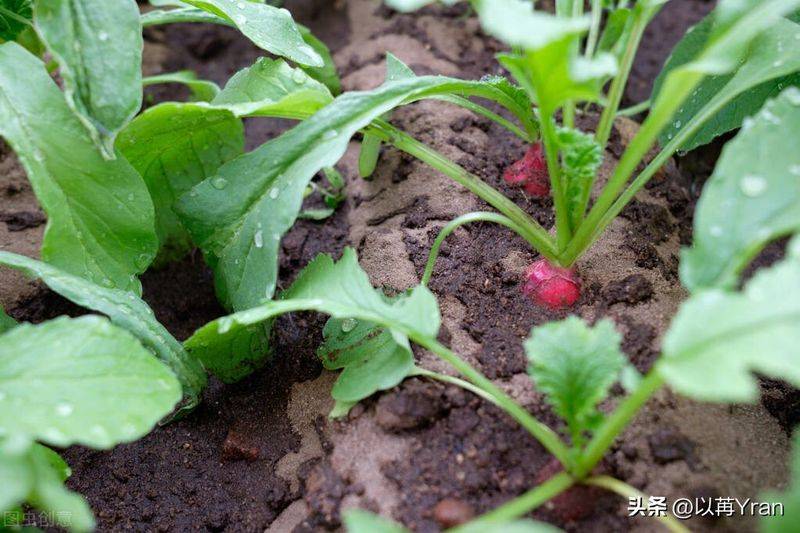
The break-up is usually divided into two sessions. For the first time, the main purpose was to remove the dense and visible small seedlings; for the second time, the four-to-five leaf leafs were designed to further screen and retain the strong, well-developed, high-quality seedlings。
The density of seedlings can be declassified, with approximately 1,500 units per square metre for the first time and around 800 units per square metre for the second time。
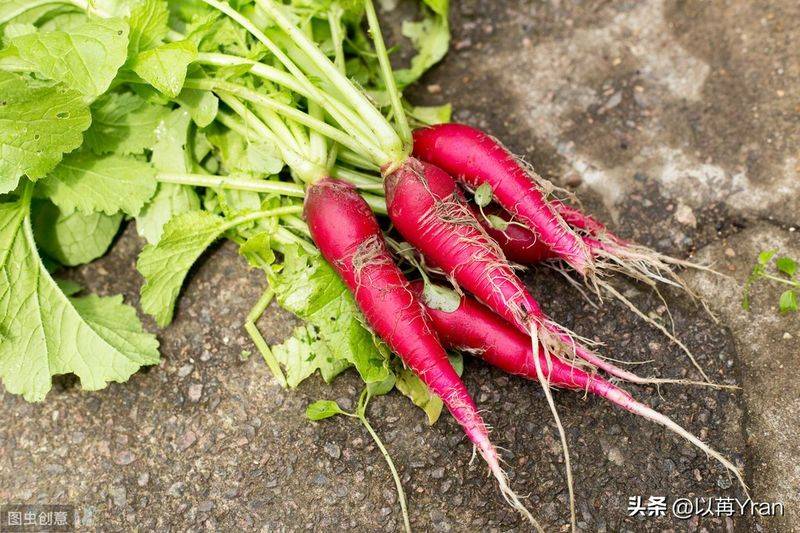
The key to time-saping is that it is neither too early nor too late to identify the good or bad, or too late to miss the best opportunity to affect the growth of the trees。
The advantage of time seedlings is that, as the seedlings grow, they can be continuously screened for quality seedlings, leaving the most robust and even seedlings at a later stage. This process, while time-consuming, is essential for breeding seedlings。
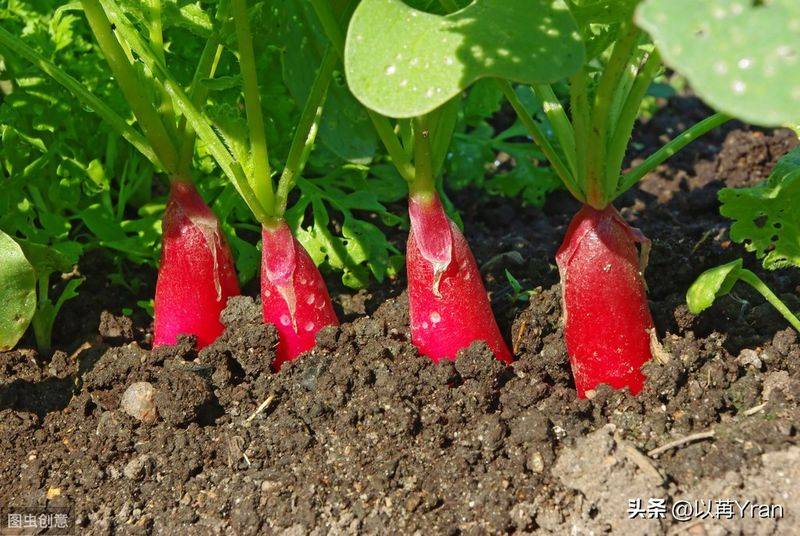
Through 2-3 consecutive seedlings, the survival and alignment of final quality seedlings will increase significantly. Both seedlings and field live can benefit from high-quality seedlings and increase monolithic and commodity rates. As a result, time-sharing is an essential foundation that requires the attention of vegetable farmers。
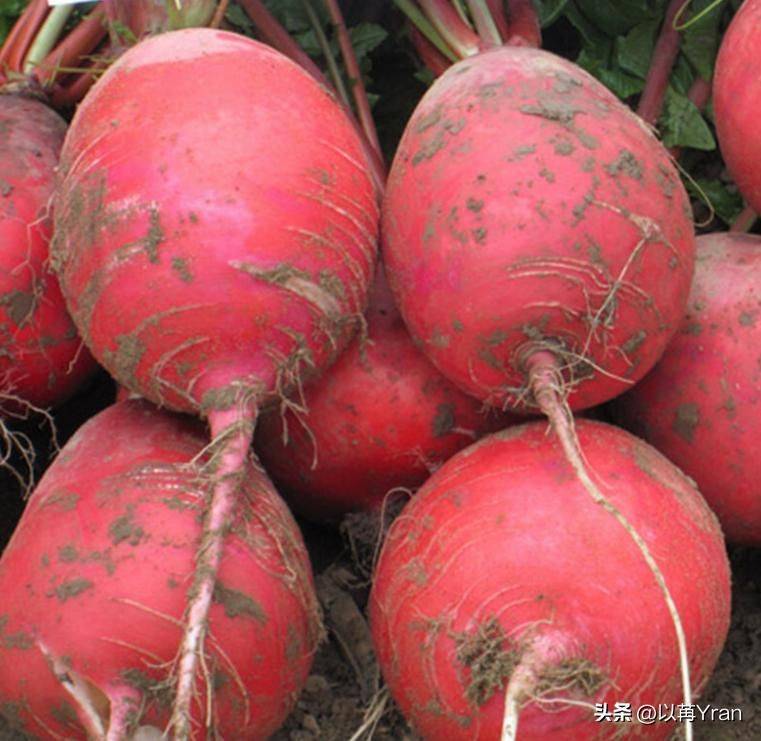

Sapling in time
"sapling in due course" emphasizes the need to grasp the sapling and the best timing. The growth of radish seedlings into a five to six real-leaf period, with 15 to 20 cm tall, indicates that the growth of the seedlings and the development of the root system are the best periods for seedling。
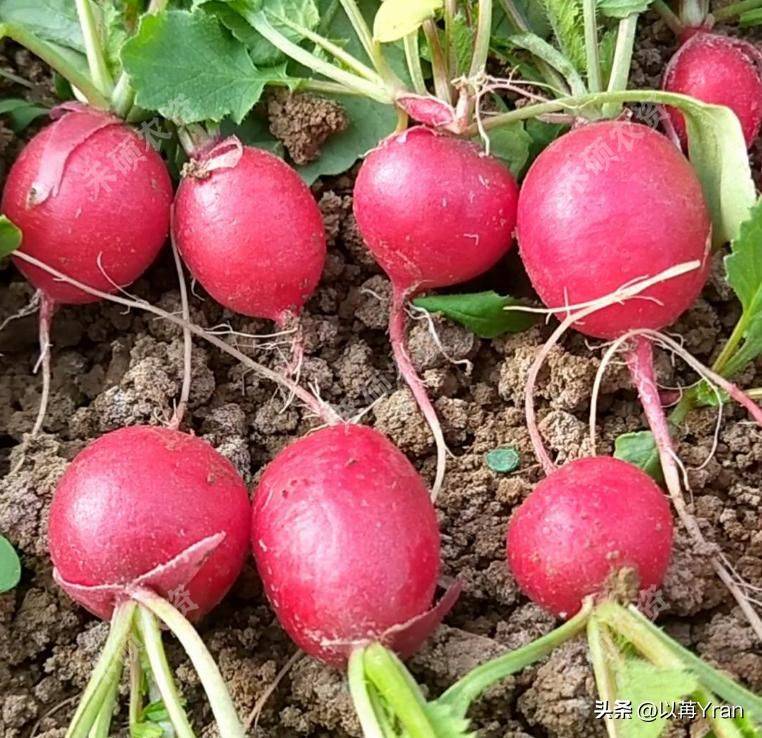
If the seedling is too small, it is prone to external adverse factors that interfere with growth; if the seedling is too large, it is well established, and it can easily cause damage at the time of planting。

Capturing the growth patterns of the radish seedlings, with the timely deployment of the trees, minimizes the loss of the seeding period and ensures the survival of the trees. At the same time, timely seedling can also reduce the period of seedlings and accelerate the growth of radish, which is important for increasing production and economic efficiency。
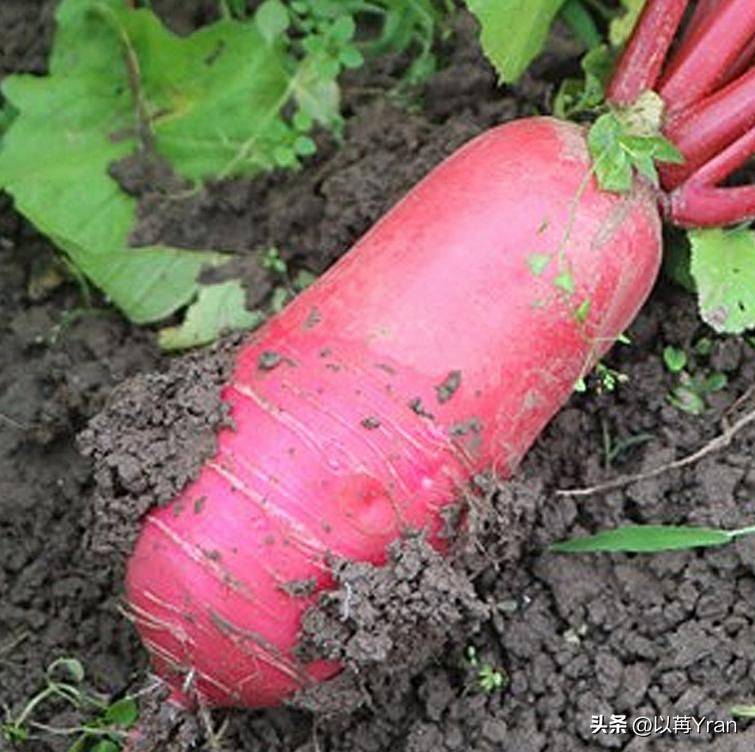
The density of seedlings varies according to variety and season. In general, large and medium radish are planted at a distance of 40 cm and 20 cm at a distance of 4000 to 5,000 units per acre; in the spring and small radish, the range can be reduced to 8000 to 10,000 units per acre。
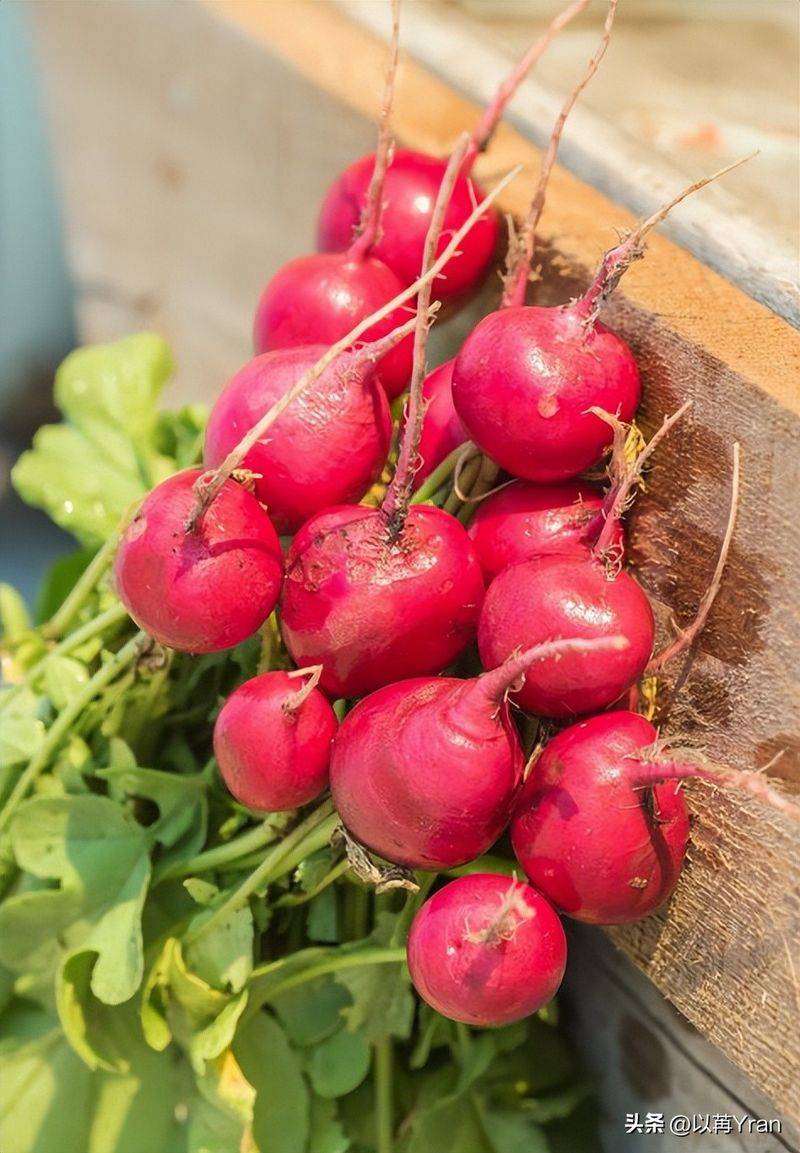
When seedlings are established, care is taken to separate them and to stagger the location of seedlings so that they are distributed evenly. Rationalally sequestered yields not only increase per unit area, but also contribute to the expansion of the roots and increased commerciality through competitive effects between plantations。
However, overdensity can also lead to poor ventilation and infestation. Therefore, the density of seedlings needs to be reasonably determined, depending on the characteristics of the species, the planting season, etc。
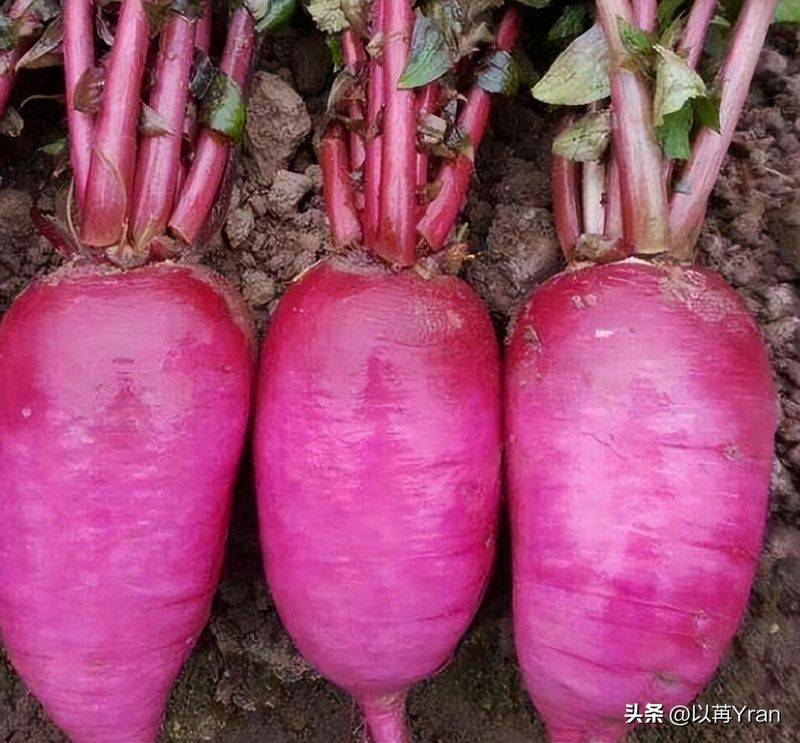
It is worth mentioning that the seedlings should be watered again before the soil is humidly fixed in a plant, the seedlings should be easily carried out, and the seedlings should be established in a timely manner, so that the roots are in close contact with the soil。
The growth of radish seedlings in due course will be stronger, fast-growing and resilient, providing a good basis for later growth. At the same time, seedlings will be used to strengthen field management, water fertilizer management and pest control, and to ensure healthy plant growth。
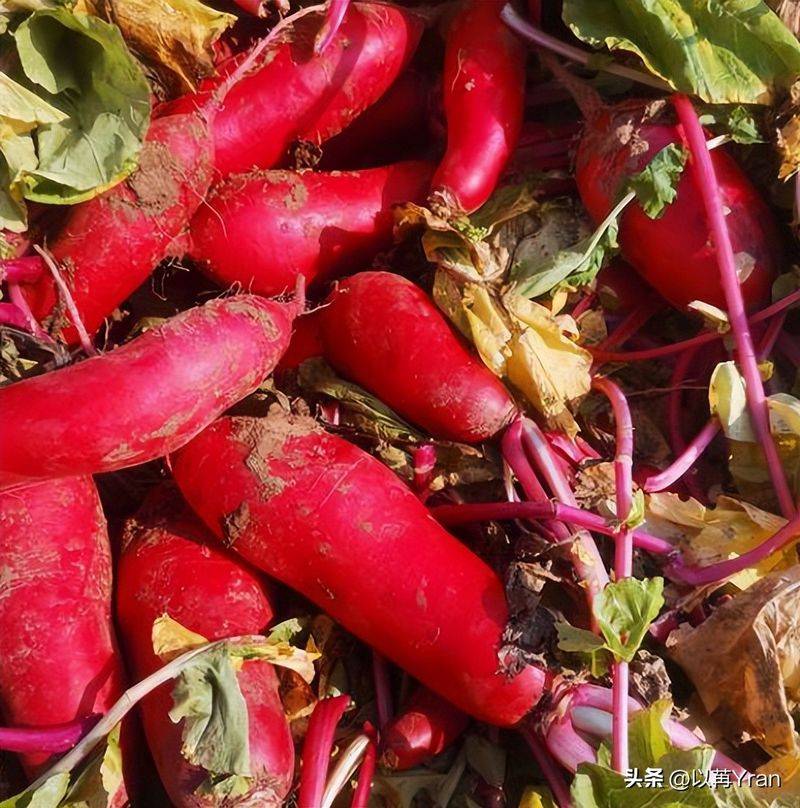
Only by keeping up with seed age and post-plant management will the potential for high-quality seedlings and high-quality radish production be realized。
Concluding remarks:
Based on the above, the core of radish seedling management is securing seedlings. The early seedlings remove the seedlings, so that they grow early and strong; the time seedlings are screened repeatedly to ensure quality seedlings; and seedlings are established in a timely manner to create the best time for planting. The three principles converge and together constitute a scientific approach to radish breeding。