The news media (journalist li south-south/wan yang/tue) are very active during spring farming. The gardening grounds of the trident town along the river's streets, the jinlong street in the silhouette area and the town of ruylan are seen as green and green quinoa, with a fragrance. In the fields, the villagers turned their fingers, were busy picking, sorting, binding, and were filled with the joy of harvest. A vivid view of the booming industry, the warmth of the people and the beauty of the country is now being laid in peace。
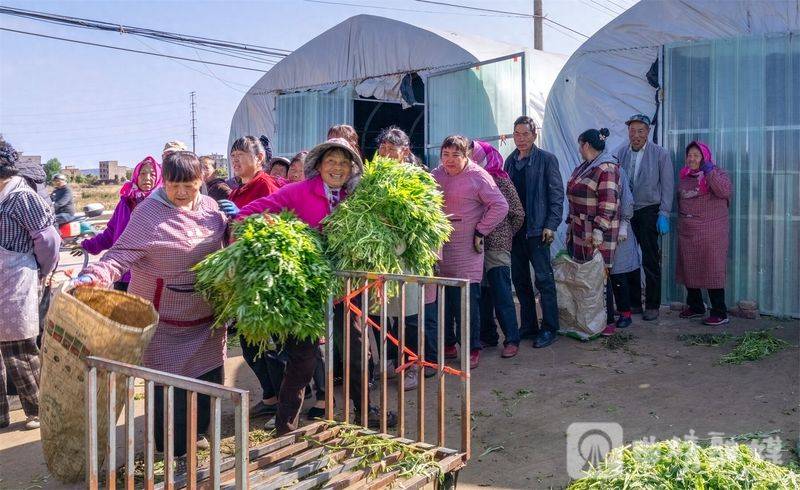
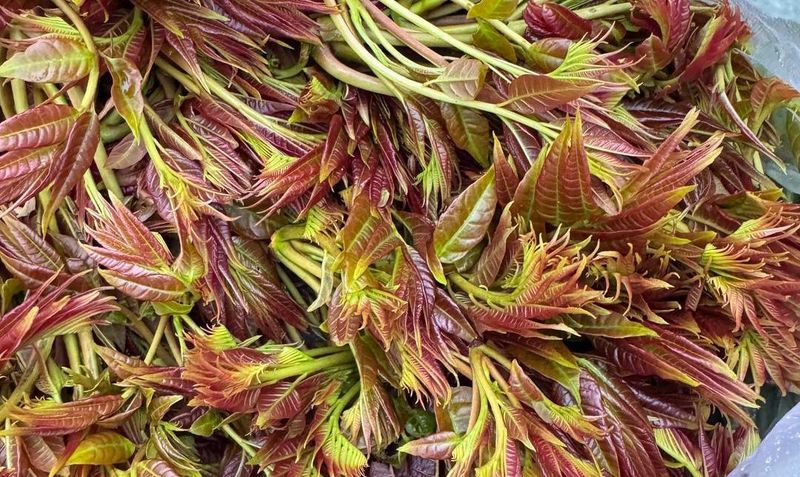
In the quinoa community along the river streets of the quinoa quinoa region, there is an orderly chain of standardized huts and the quinoa quinoa community is growing. According to ms. Dae-seok, grower, this year quinoa can receive between four and five tons of quinoa artemisinin, with an acre production of more than 1,000 kilograms, with a wholesale price of about $8 per kilogram, and a vast market offering through cold chain logistics in guizhou, beijing, shanghai and guangzhou. “the base is constantly staffed, with a large number of middle-aged villagers and families in silver-haired villages working around it, working between 20 and 60 people a day, making money in front of their homes, and moving beyond expectations.”。
As a result, more than 50 seniors worked in a coordinated and skilled workforce and became warm and bright in industrial development. The 57-year-old mrs. Li, while scrutinizing the quino arteries, smiled and said: "you can't do anything else when you're older, you can do work here, you can do time, you can pay $4 per kilo, you can earn nearly $100 a day and you can get $200 when you're fast." at present, 115,000 acres of vegetables have been planted in the golden dragon street, and the quinoa artemisinin industry is flexible and labour-intensive and effectively supports the rural idle labour force。
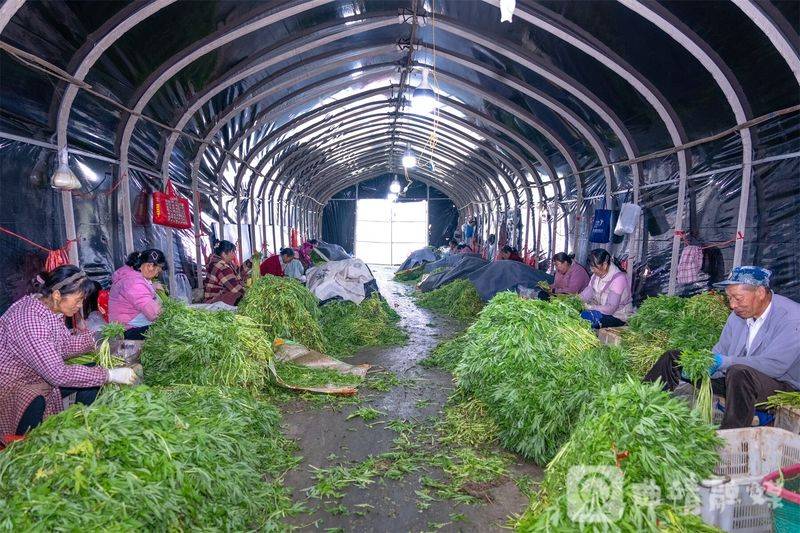
In the case of lu liang county, the quinoa artemisinin industry, which uses eco-cycling and intelligent marketing as its twin wings, has become a visible pole for peace farming. In lu liang county, quinoa is included in the regional public branding system of “landy vegetables”, which has been selected for the national list of outstanding new agricultural products. More than 2,500 acres of artemisinin, rice, fish, cattle cycling base at yunnan agricultural development co. Ltd. In fork river town, grand road village it is true that the quinoa artemisinin harvest is used directly in the northward deep-seated cities, with the lower feet feeding meat cattle, decomposed cow dung and acupuncture fields, and a green closed circle of “more water and more harvests”. Based on the “internet+ai” smart marketing model, the company sells more than 30,000 quinoa per year, and its products are better marketed in the quinoa bay region and throughout the country with the qualifications of the “basket production base” in the bay。
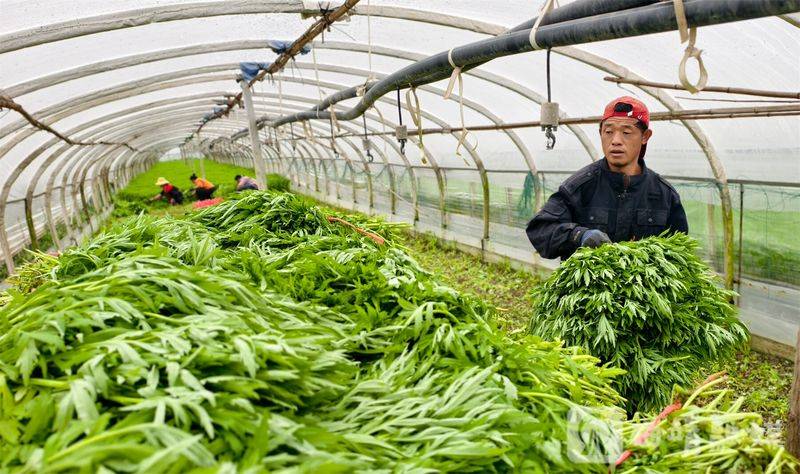
According to the data, 210,000 people are directly employed in the entire vegetable industry chain in luang county, and more than 1,000 people are employed on a daily basis in the quinoa artemisinin industry alone. Labour wages were paid in excess of $9. 5 million throughout 2024, effectively boosting the income of the surrounding elderly and women. Vegetables were sold more than 93 per cent throughout the county, and the influence of the “live vegetables” brand continued to grow, becoming a vivid reminder of the high-quality development of the peace industry。
Little quinoa, great industry. From the tritium region to the mammoth area and then to the rui liang county, quinoa artemisinin-specific cultivation has evolved from sporadic layout to scale, from local marketing to marketing across the country, leading not only to the upgrading of agro-industry, but also to a virtuous circle of “industry-led employment and employment-enabling”. In addition, older groups are also engaged in fieldwork, which achieves self-worth, increases the sense of well-being and alleviates the demand for agricultural labour, becoming an indispensable “silver force” in rural renewal. This is a vivid manifestation of the peaceful deepening of the “millions of works” experience and the implementation of a people-centred approach to development。