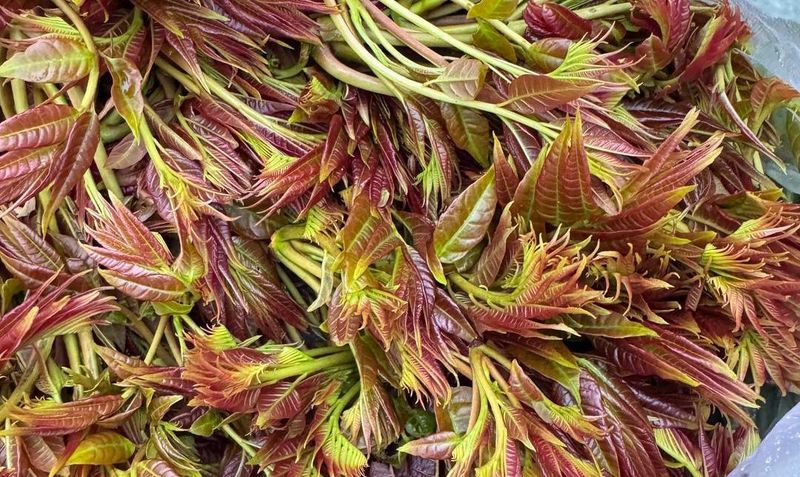
The historical and cultural background of the cultivation of chestnuts
Chestnut, which originated in our precious fruit, dates back to 6,000 years. The traces of chestnuts were found in the ancient zhejiang zhejiang cultural sites, when our ancestors used them as their staple foods and were able to see their prosperity. And the poetry, the earliest collection of our poetry, also makes numerous references to chestnuts, further attests to its deep cultural depth. Today, despite the scarcity of wild chestnuts, artificial cultivation has become the mainstream. How, then, is it possible to have a productive and high-quality chestnut cultivation? This is what we're going to do next。
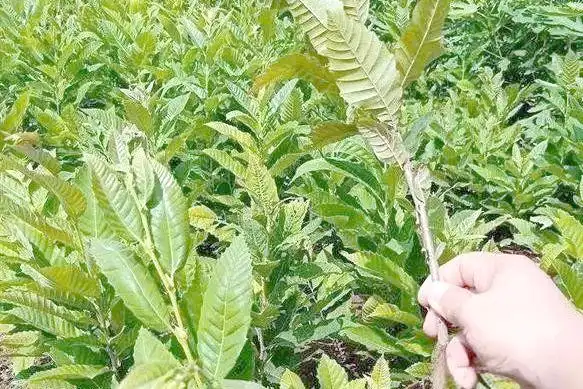
Cultivation environment and nursery methods
Appropriate conditions of production environment
Chestnut, this ancient fruit, has unique requirements for the growing environment. The southern chestnuts prefer warm and wet climates, while the northern chestnuts are more adapted to cold and dry environments. They all have plenty of sunlight, because the lack of sunlight leads to the weakening of plants and even to the failure of the season. As for the water, the chestnuts are not very picky, as long as the annual precipitation is between 500 and 1,000 mm, but it is important to note that the demand for the water increases significantly during the pre-baby season and during the annual boom. In addition, the cultivation of chestnuts is widespread, ranging from plains to mountainous areas, as long as the soil is medium, organically rich, well drained and ph values between 4. 5 and 7. 0 are ideal for its growth。
A high-efficiency cedar method
The birth chain is essential when planted artificially. Cultivation is usually carried out by indoctrination, in which aluminum seedlings are grown by seeding, while indoctrination is followed by wax sealing. The best timing for marriage is usually in mid-april, when the aluminum is moving but the ear is not yet growing. In the spring, the main period of the branching is spring, and the methods of mating commonly used in the northern region include interpolation, splitting, cutting and tongue. Follow-up management will also need to be strengthened after the completion of the succession to ensure survival. We will then give an example of the basic procedure for the matrimony technique。
I'm not sure i'm ready for this
Chestnut marriage is a key part of the celibacy chain, of which severing is a common method. Its specific operating procedures are as follows: first, it is necessary to select an ear matching the thickness of the saplings and to keep two buds, then to cut the lower end into wedges, and to keep the cut face at a length of about 1. 5 cm and ensure that it is smooth. It was then cut with a blade 2. 5 cm above the leaf handle of the seedlings and then split a 1. 5 cm deep cut between the plumes. Immediately thereafter, the ready ears will be inserted to align one end with the seedlings. If the conjoining diameter is greater than that of the aluminum, the precipitating portion may be removed to ensure complete containment. Finally, the marriage process is completed by binding with sacking, old sack rope or electric tape. After that, normal nursery procedures can be performed。
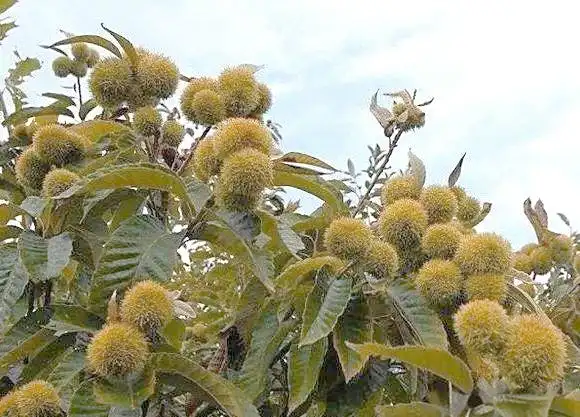
The point of chestnut garden construction
Location and location:
The sandy sandy, sandy or gravel soil, which is deep in the earth, well drained and low in the groundwater table, has been chosen as the ground for the plate chestnut. It is desirable that the soil remain micro acidic and ensure adequate light and air flow。
2. Plantation density and management:
Cultivation density is determined on the basis of topography, soil conditions and variety characteristics, and is generally recommended to be 4 m long and 3 m long. Scavengers should be carefully protected from side roots and stubble roots, and damaged roots should be cut。
3. Timing and planting techniques:
Chestnut planting takes place over a long period of time, from fall leaves to spring, but with the best effect. During planting, it is necessary to ensure that tree seedlings are well grown, that the soil is solid and that the roots stretch。
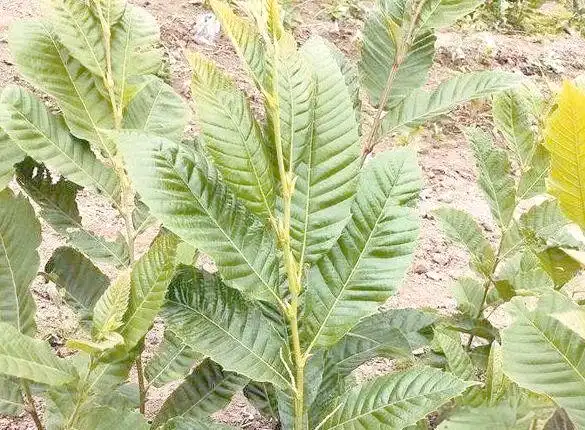
Chestnut management skills
Fertilizer and shear management
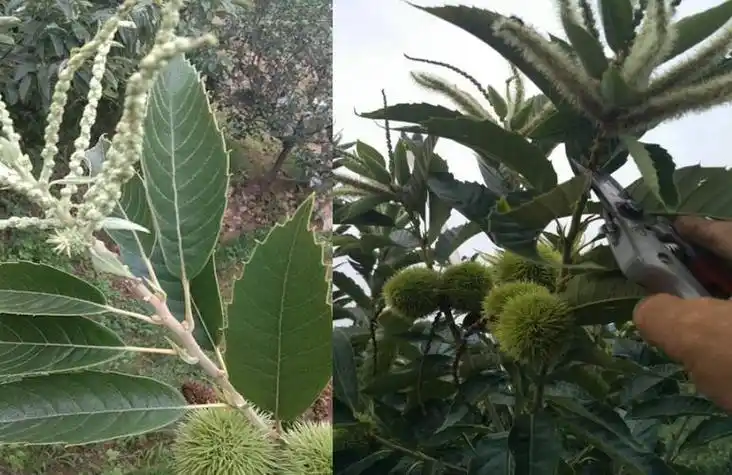
Fertilizer management is essential in the cultivation of the chestnuts. First, the soil needs to be tilled during the recreational period in order to promote soil ventilation and nutrient release. Before the bud, 12 kg of pure nitrogen per acre was applied to assist in the development of the flower. After fertilization, water should be filled in time to ensure that nutrients are fully absorbed。
In addition, a certain amount of fertilizer will have to be applied before flowering. Water will also be needed to ensure that nutrients can be successfully absorbed. In order to maintain the cleaning and laxation of the chestnuts, weeding can be combined with the clearing of the pine soil。
During the period between late july and early august, when the fruits are expanding rapidly, there is a need for further fertilization to boost their weight. This shall include pure nitrogen, pure phosphorus and pure potassium。
Flower fruit management and harvesting
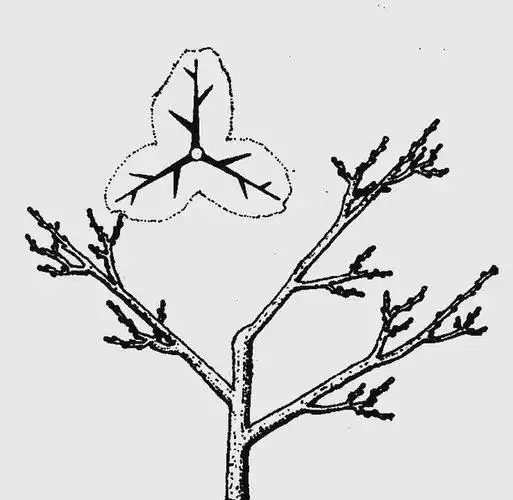
In order for the chestnuts to be productive, a reasonable procession is essential. According to production practice, the usual tree shapes include the natural happy form and the main dry strangulation. The natural happy shape applies to the hillside chestnuts, which are at a dry height of 50 to 60 centimetres, while the flat chestnuts are controlled by about 80 centimetres。
In the field of flower fruit management, when the male sequence grows to 1-2 cm, the top 4-5 male sequences should be retained and the rest removed. At the same time, chemical estrangement is a good option。
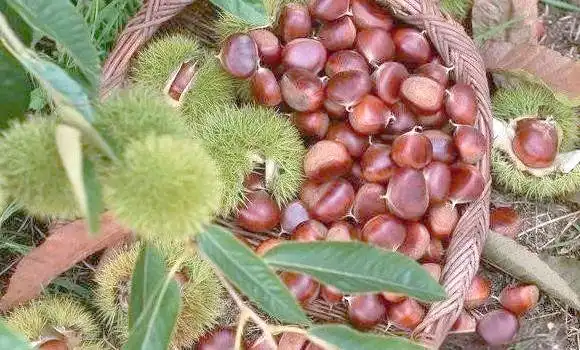
When the chestnut is turned from green to yellow, then from yellow to brown, the central part is split and the chestnut is completely turned from brown to deep chestnut, it is the best time to harvest. The proper harvest takes place when the chestnut is ripe, and the collection in batches and timely processing enhances the quality of the storage。
Summary:
Chestnut is popular as a nutritious food. Its powerful life force makes cultivation relatively easy and other problems can be solved by choosing good varieties. This, together with the nature of the durable storage, makes the chestnuts available for sale throughout the market. As a result, the cultivation of chestnuts in poor mountainous areas or on marginal lands still has great potential. One planting, long-term benefits, is undoubtedly a worthwhile agricultural project。