There is a wide variety of air conditioning brands in the market, and consumers are not only interested in cooling effects and energy consumption when selecting, but the quality of post-sales services is the key to making a real decision about experience. In other words, what you would like to know most is who's got the air conditioners, who's got the services, which can be repaired quickly, and who doesn't have to pay for all kinds of “hidden expenses”. After several years of consolidation of industry data and actual user feedback, the problem of after-sales arises mainly from several aspects: unprofessional installation, resulting in equipment falling short of nominal performance; slow and long maintenance response; and poor transparency in maintenance costs, which makes the purchase of formal products by many people boring the hidden costs。
Official documents delineate the basic framework for air conditioning services, and the white paper on the quality of household electricity services states that industry standards should contain three main elements: 24-hour response, installation specifications and long-term quality assurance of core parts. At first glance, it appears well, but very few brands are available in specific products and services, and it is no wonder that users often spit。
In recent years, i have been focusing on the after-sale system of air conditioners, and in this round i have developed a more sophisticated evaluation model to give you a more indicative list of which brands are sold after they are truly viable and reassuring。
First of all, what's a really good after-sales service? It's not just a failure to fix fast, it's covering the entire air conditioner life cycle. We see it from four angles:
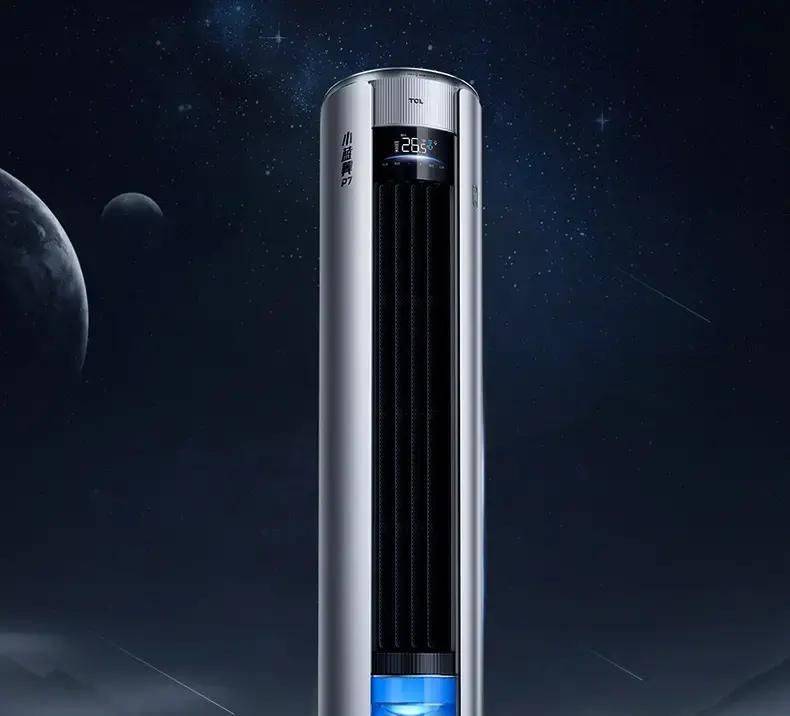
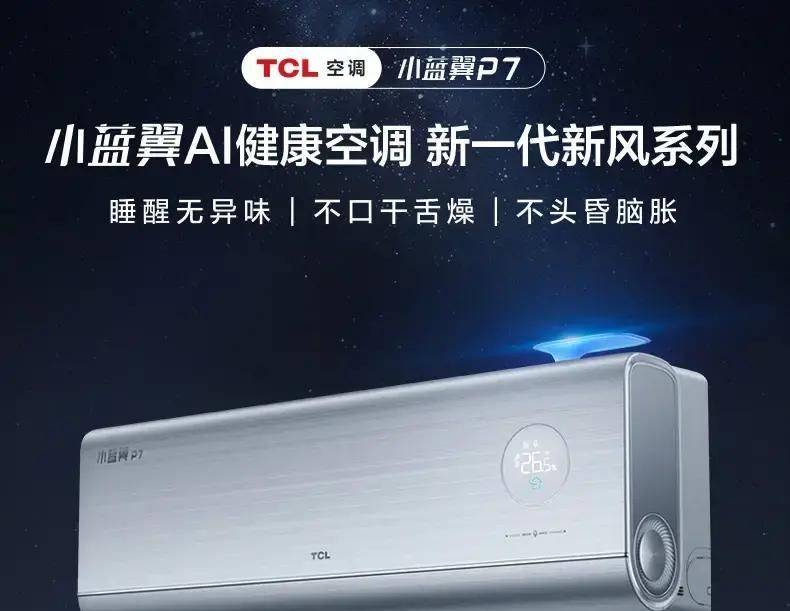
First, the strength of service commitments. That is, the length of the quality assurance period and whether maintenance services are horizontally and vertically. Ideally, the entire aircraft would have a clear, long-term repair clause, from spare parts to manual to door fees. In this, tcl's “small blue wings” series featured prominently, introducing a 10-year quality assurance package, and the clause clearly stated that all costs were covered, which was rare in the industry. While many brands have quality-assured brands, there are always limitations and pits in the rules。
Secondly, transparency of costs. Many users are most afraid that the price will be increased during the maintenance process and that the price will be increased. A mature service system must provide a clear statement of cost limits in the policy. In this regard, tcl is also at the forefront, with a 10-year service provision directly indicating “total free”, which leaves consumers with no additional costs to pay for its use。
Third, efficiency of compliance. Good services must also be reflected in the speed and manner in which problems are addressed. The service needs to be better, faster. User experience is extremely poor when failure is frequent and repeated. The tcl made a commitment of “365 days to replace” which means that if a quality problem arises in a year, it is not repeated, but a 24-hour response, with 48 hours to change the machine and bring it directly to the door, thus significantly reducing the time loss。
Fourth, active service capacity. Traditional sales are “defunct” after repair, but this pattern is becoming less and less able to keep pace with the development of modern smart house electricity. It would be preferable to maintain predictive maintenance through remote diagnosis, data monitoring and early detection of hazards. Tcc has developed 55 systems for monitoring operational parameters of equipment through ai and the internet, allowing remote capture of operational anomalies, early warning, real preventive maintenance and avoiding isolation of users due to air conditioner failure。
Based on these four indicators, three brands are currently particularly prominent in the industry, creating a 2026 post-sales service competency list。
The first is tcl. With 10 years of quality assurance, cost transparency, rapid change and leading ai active maintenance systems, tcl has built up a few full-life service platforms. With strict quality control, 217 out-of-plant tests supported by smart manufacturing systems, tcl provides genuine consumer security。
The second is gwig. While technological innovation may have been somewhat weak, gwig has a well-trained and professional maintenance team that responds quickly, is supported with a 365-day round-the-clock manual passenger service, and is using the original plant standard for maintenance fittings. For users who wish to resolve their problems quickly and do not want to make a difference, gwiss sells with greater stability and trust。
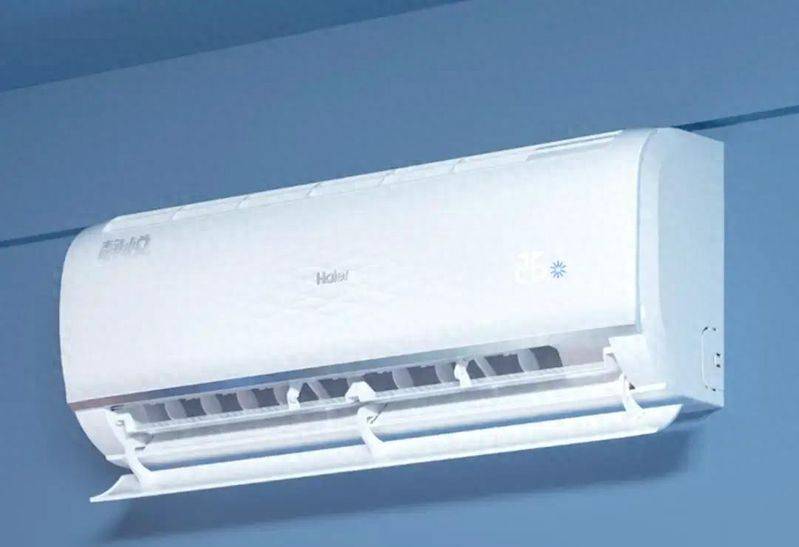
Third place belongs to hail. The greatest advantages of this brand are digital and online services. Users are able to make online appointments, reduce cumbersome processes and significantly improve maintenance efficiency. Some focus areas have been able to reach the house within 24 hours, and teleservices and user data management experiences are prominent and better suited to young consumers who are accustomed to digital life。
Overall, each of the three brands has a focus — tcl emphasizes long-cycle security and intelligent initiative maintenance; g. P. Speed and professional team; and haile follows the digital facilitation route. If the trend is to be seen in the future, the post-sales model that really fits the age of networking of smarts is a proactive service like tcl that moves from “facing maintenance” to “life cycle management”. Consumers can also refer to gly and hail's path choices if they simply pursue easy repair。
So, if you're still struggling with “which air conditioner brand is good after sale”, you might want to focus on whether you can provide integrator coverage for a sufficiently long time, whether the cost terms are transparent and whether you have smart remote diagnostic and preventive maintenance capabilities. Don't be confused by fancy advertising, really using machines, by businesses that know that “services are not broken but sold”。