Chapter 1
Pressure transfer and control technology, abbreviated aerodynamics technology, means a technology that mechanizes and automates the production process by compressing air as a work medium for the transmission of energy and signals, which is an important component of the fluid transfer and control discipline. In a broad sense, the range of aerodynamic technologies, in addition to air compressors, air purification units, aerodynamic motors, various control valves and assistive devices, includes vacuum-occupying devices, vacuum-implementing components and aerodynamic tools。
As a result of the many outstanding advantages of aerodynamic technologies in relation to mechanical, electrical and hydraulic motion, recent years have been very rapid, with modern aerodynamic technologies combining and complementing the many advantages of hydraulic, mechanical, electrical and electronic technologies as an important means of automating production processes, which have been widely applied in various sectors, including machinery, metallurgical, textile, food, chemical, transport, aerospace and defence construction。
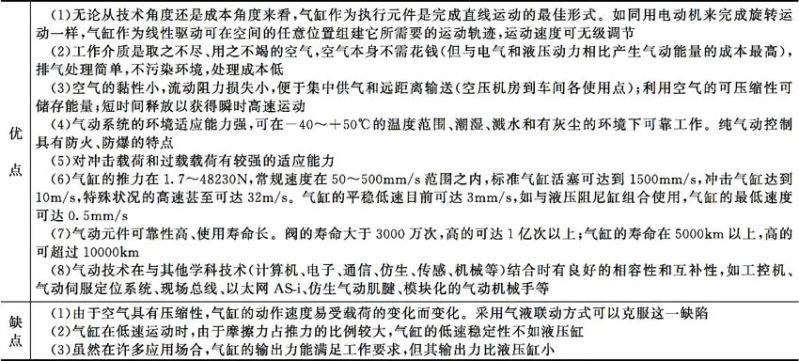
Table 21-1-1 advantages and disadvantages of aerodynamic technologies
Loading...
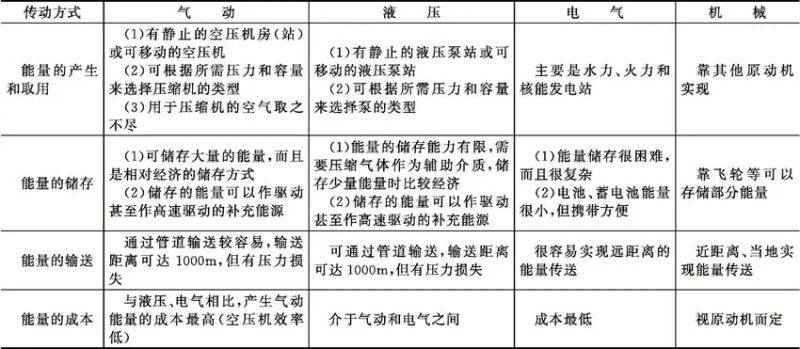
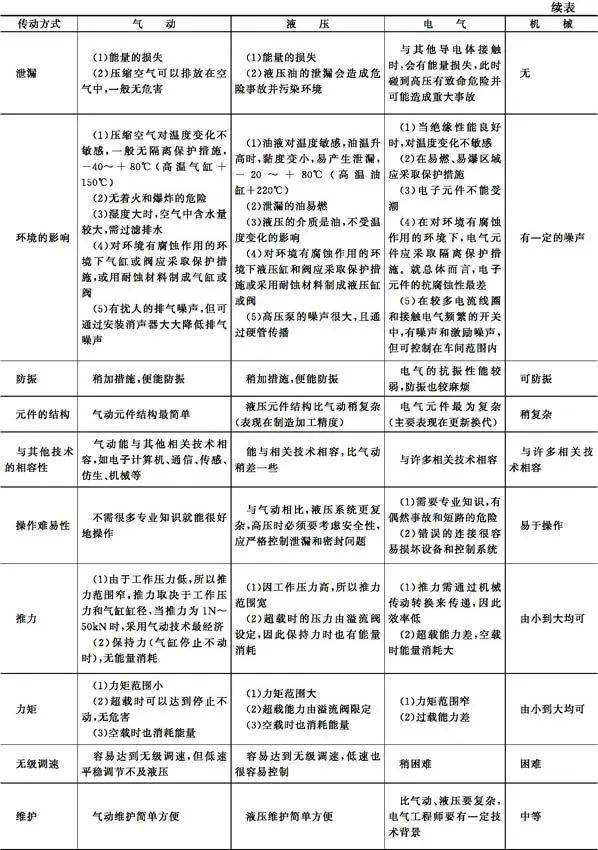
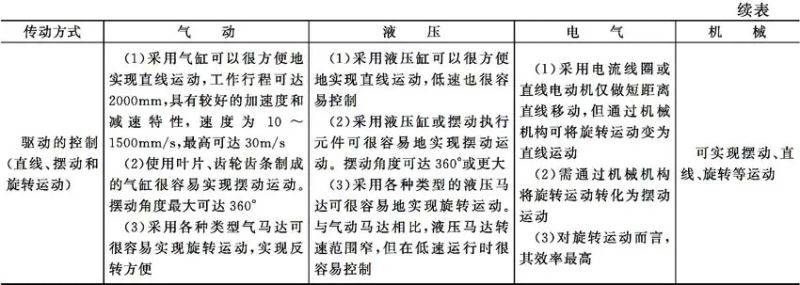
Table 21-1-2 comparison of movement and control of aerodynamic, hydraulic, electrical and mechanical
Loading...
Loading...
Loading...
Loading...
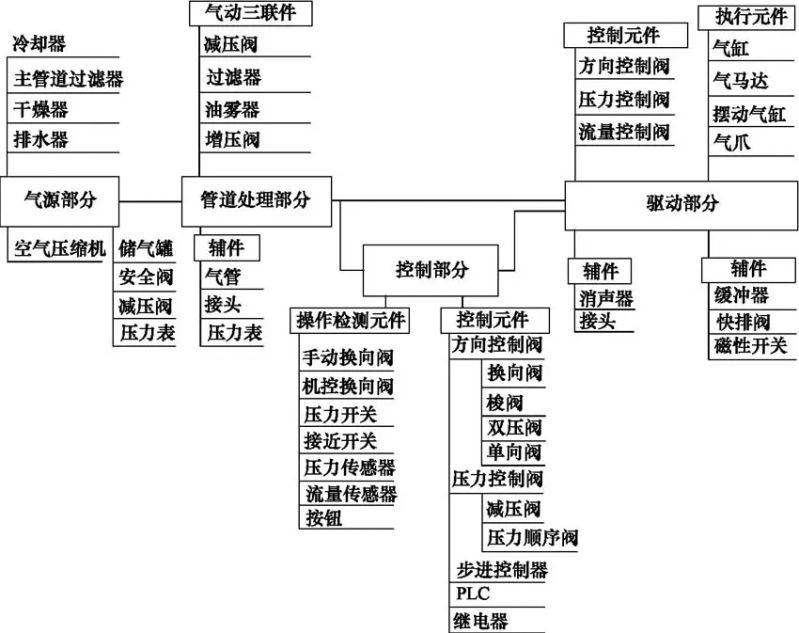
Figure 21-1-1 composition of aerodynamic systems
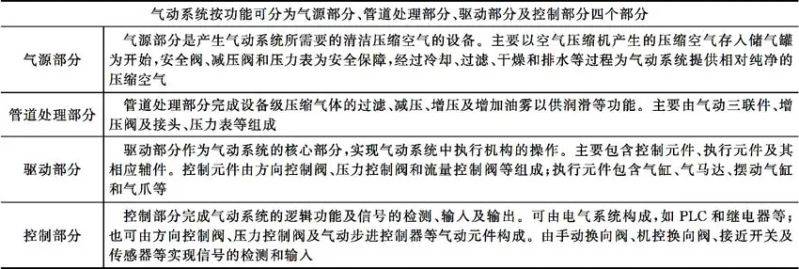
Table 21-1-3 composition of aerodynamic systems
Loading...
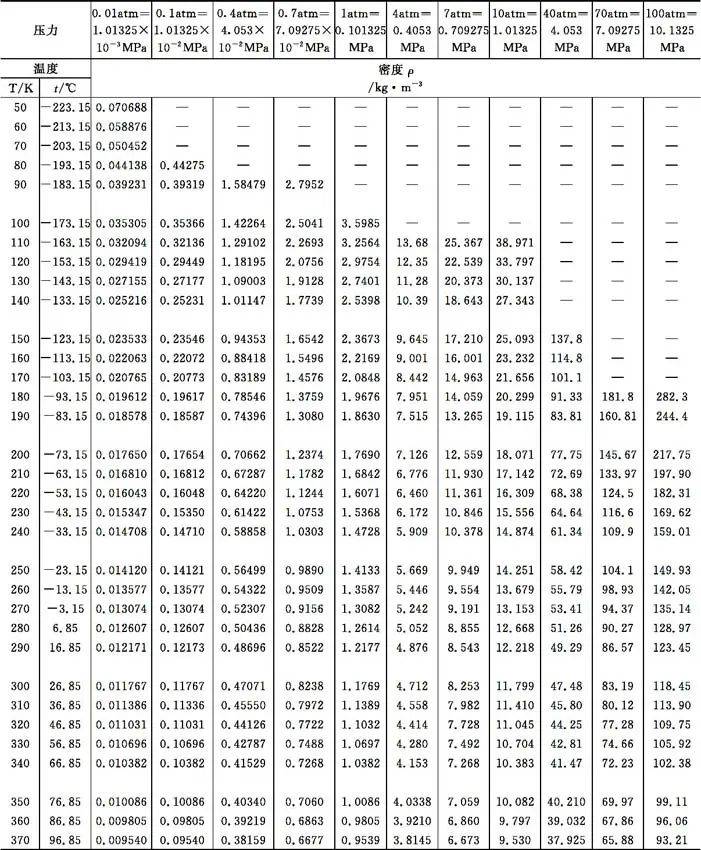
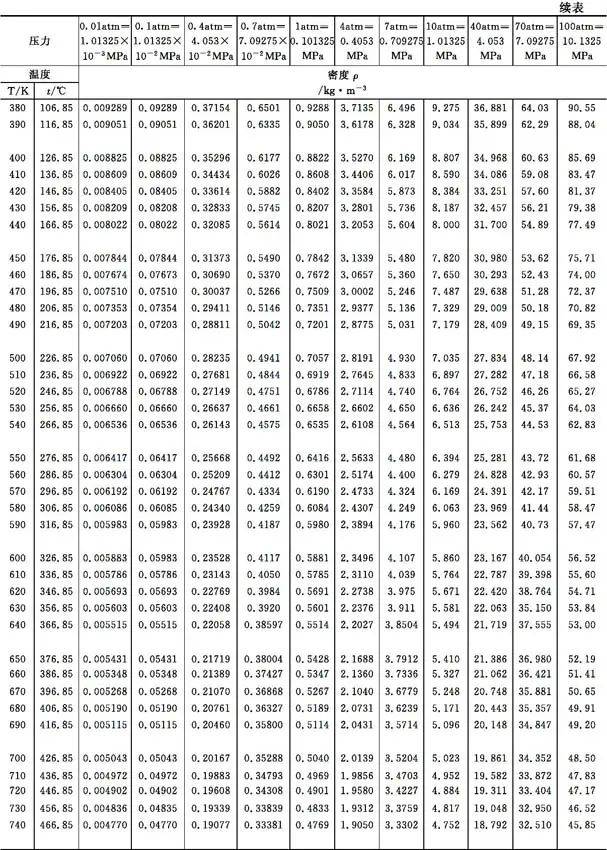
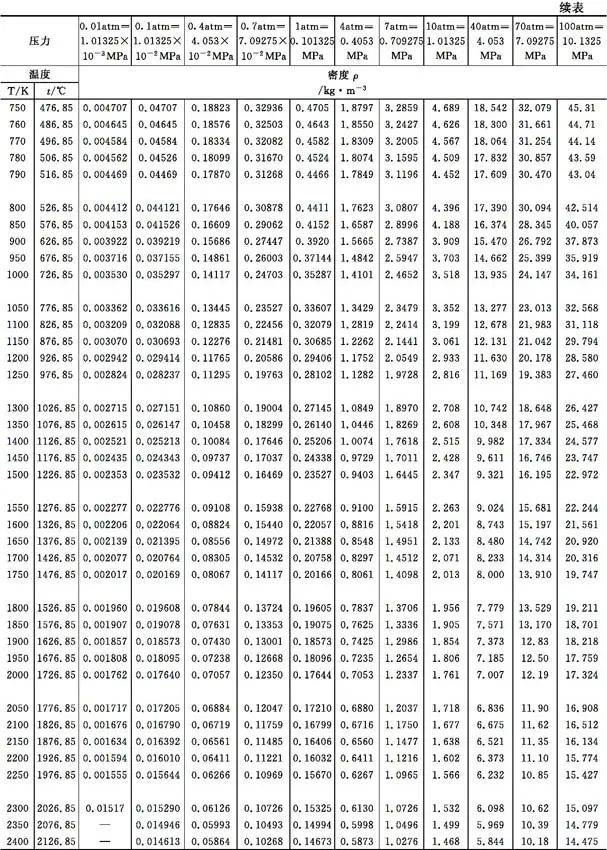
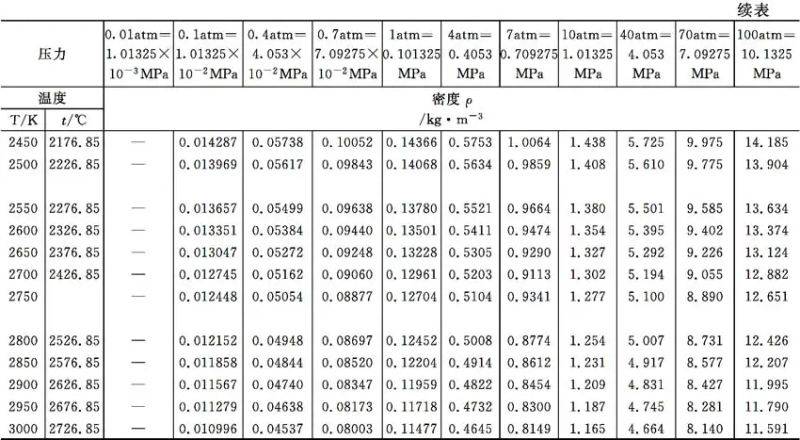
1. 2 air properties 1. 2. 1 air density at different pressures and temperatures
Table 21-1-4 air density at different pressures and temperatures
Loading...
Loading...
Loading...
Loading...
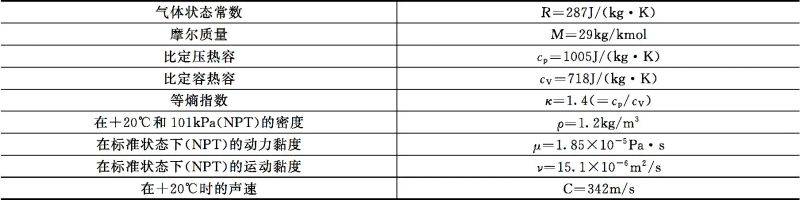
1. 2. 2 parameters for the physical properties of dry air
When actually calculated, air can be considered as an ideal gas with the following data in a standard state。
Table 21-1-5 some basic parameters for air
Loading...
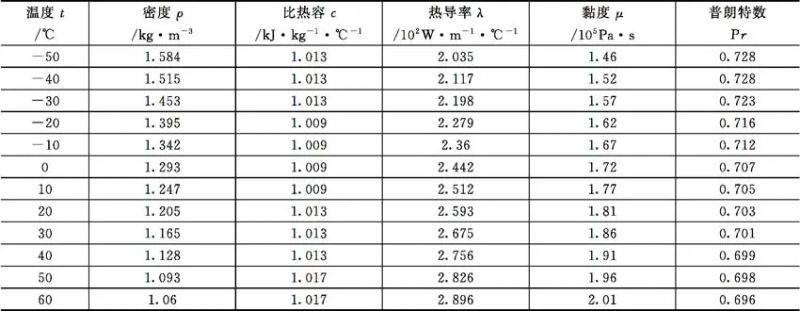
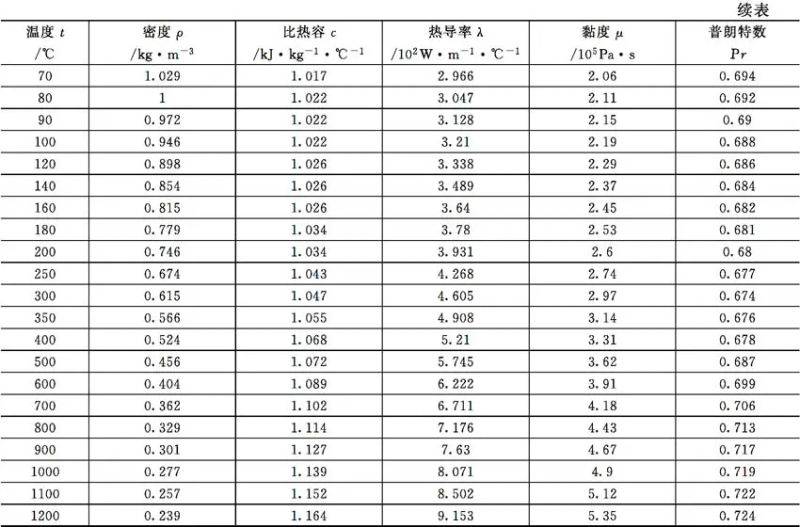
When the temperature is different, some parameters of the gas will change, and table 21-1-6 gives changes in air parameters。
Table 21-1-6 air parameters with temperature
Loading...
Loading...
Note: prentl number indicates a parameter of the relative thickness of the speed and thermal boundary layers, reflecting the fluid properties associated with heat transfer。
Loading...
In formulas, 160 are motion viscosity, m2/s; alpha is thermal proliferation factor, m2/s; μ is power viscosity, n. S/m2; λ is thermal conductivity, w/(m) k; cp is the heat counterpart, j/(kg k); old is density, kg/m3。
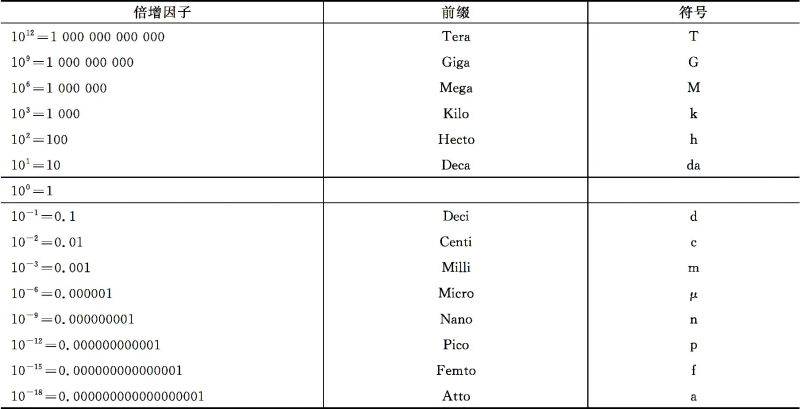
1. 2. 3 sequences added to 10 square times
Table 21-1-7 sequences added to 10 square times
Loading...
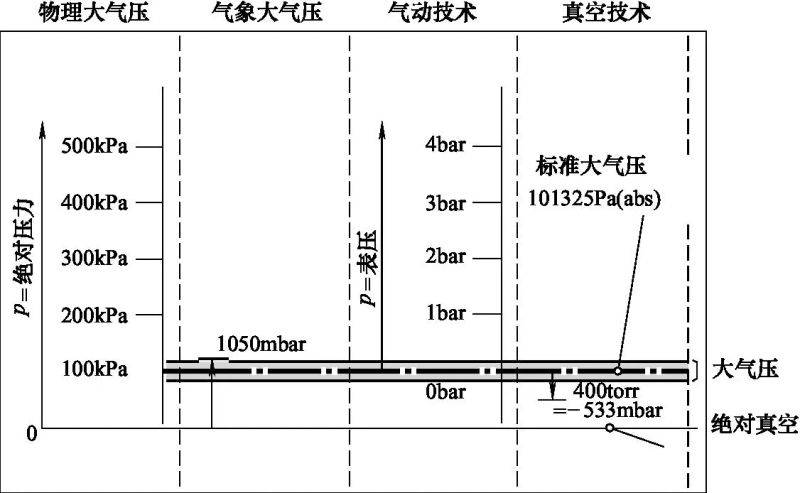
1. 2. 4 pressures used in different applications (physical, meteorological, aerodynamic, vacuum)
Figure 21-1-2 illustrates the various pressure indicator methods, using 101325 pa as a reference. Note that this is not 1 bar, but for normal aerodynamic calculations, the value can be calculated at 1 bar。
Loading...
Figure 21-1-2 pressures used for different applications
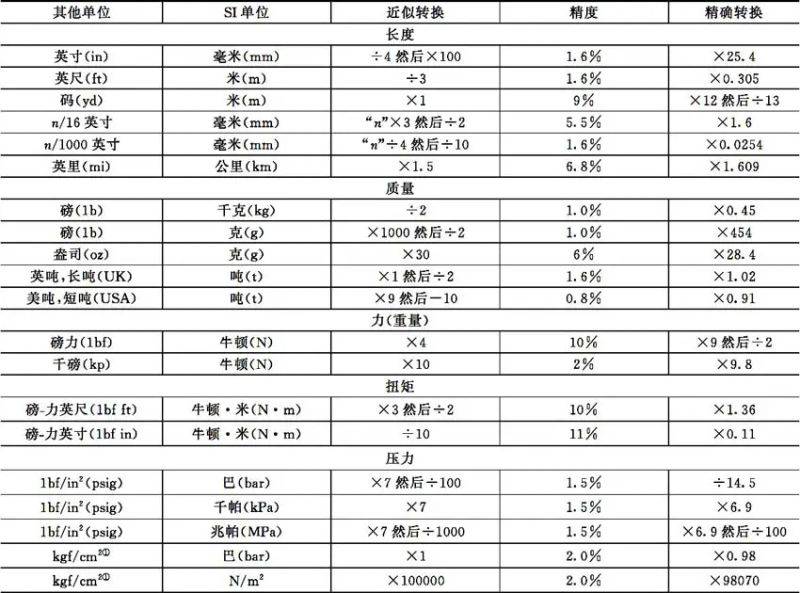
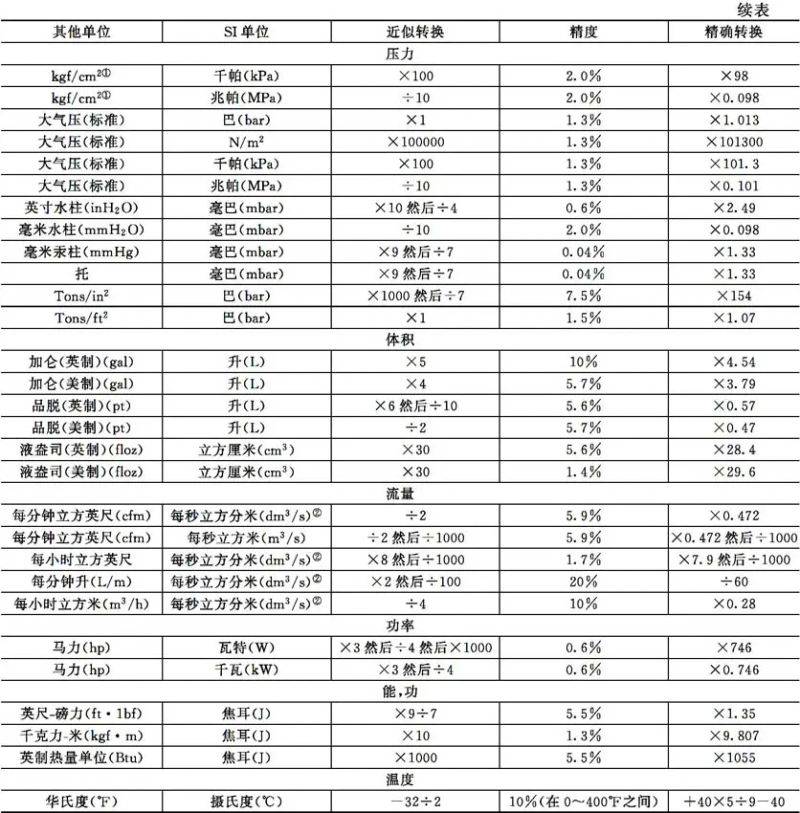
1. 2. 5 conversion relationships between units commonly used for aerodynamics
Table 21-1-8 conversion relationships between units commonly used for aerodynamics
Loading...
Loading...
1 also known as industrial atmospheric pressure。
2 within 28 parts per million, 1l is equal to 1dm3 and can be considered equal for most of the actual uses。
1. 2. 6 pressure and temperature of gases at different altitudes
The relationship between atmospheric pressure, air density, humidity and altitude can be derived from the formula for atmospheric pressure and air density, as well as from the formula for air moisture experience。
Absolute humidity is the mass of the moisture contained in the gas per unit volume expressed as mg/l or g/m3; relative humidity is the ratio of absolute humidity to the water vapour content of the saturated state of the temperature, expressed in percentages。
As can be seen from the table: for each 1,000 m elevation, relative atmospheric pressure is reduced by about 12 per cent, relative air density is reduced by about 10 per cent, and absolute humidity is reduced by higher altitude. The maximum temperature is reduced by 5°c and the average temperature by 5°c。
Table 21-1-9 pressure and temperature of gases at different altitudes
Loading...

Loading...
Note: the atmospheric pressure in the standard state is 1, the relative air density is 1, and the absolute humidity is 11 g/m3。
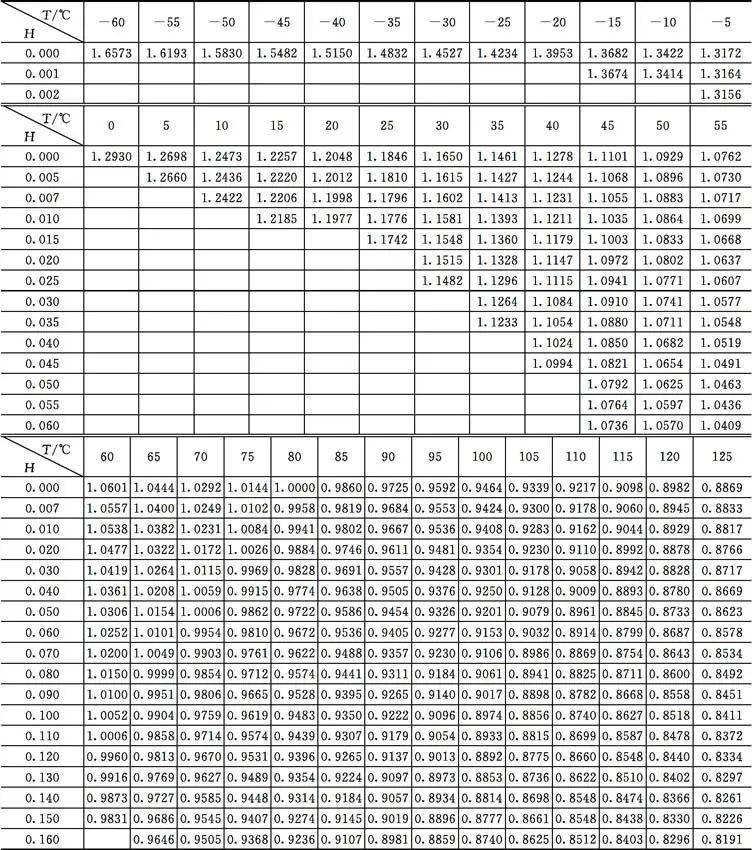
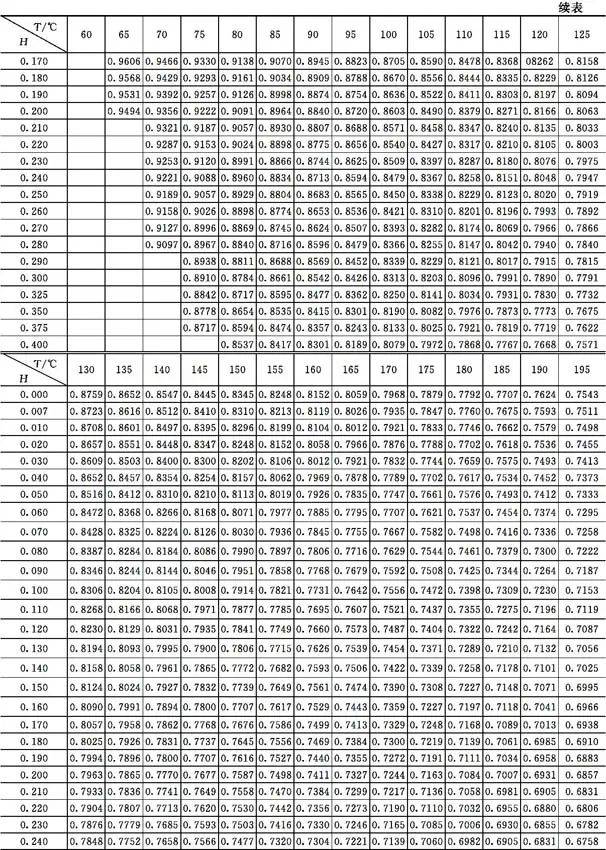
1. 2. 7 relationship of air to humidity, temperature and density
Table 21-1-10 air density at different humidity and temperature levels kg/m3
Loading...
Loading...
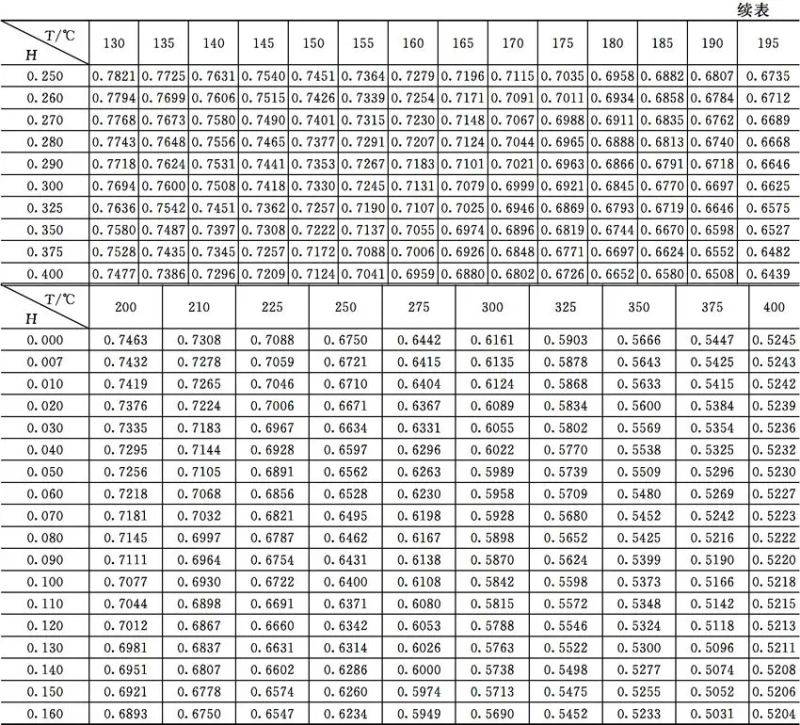
Loading...
Note: 1. H for wet content, kg (water)/kg (dry air); t for average air temperature, °c。
The data in the table are measured under air pressure p = 0. 1 mpa and can be converted if local air pressure changes, e. G. H = 0. 03kg (water)/kg (dry air) at a temperature of t = 35°c, p = 0. 1 mpa, calculated as old'a。
Solving: found in the table, a = 1. 1264, and a = 1. 1264 x 720/760 = 1. 067 (kg/m3)
The maximum water content of air at 1atm at temperatures ranging from -40°c is shown in table 21-1-11。
Table 21-1-11 - 40 ~ 40°c 1atm maximum water content in air
Loading...
1. 2. 8 water saturation values in air - spot
The amount of water vapour contained in the air is proportional to its temperature, rather than to its pressure, which is generally thought to be。
When the air cools, the water vapour condenses and reaches the temperature of air saturation, known as the spot. If the temperature drops, the additional moisture is released in the form of small droplets or condensation. Natural examples can be found of atmospheric open spots (adp°c), where warm air is exposed to cold surfaces, usually forming condensed in window glass or morning dew。
Air spots are most relevant to weather conditions. Pressure spots are more appropriate in compressed air units and aerodynamic systems。
Pressure exposure (pdp °c) is the temperature at which condensation occurs at high pressure, and the pressure usually uses 7 bar。
The actual amount of water that the air can keep suspended depends on the temperature, so 1 m3 of air in 7 bar will remain the same as 1 m3 below 1 bar。