Hot pepper cultivation in the greenhouses is most feared when the peppers do not grow, die or plant atrophy. What causes these problems and how to combat them? Here, napan will introduce greenhouse pepper cultivation techniques and pest control measures。
I. Field management
When the peppers were planted, the aging plant appeared in the fields. The main manifestations are long periods of slow seedlings; weak planting; yellowing of leaves; and atrophy during the sun. The main reasons are the following:
1 too deep. Some farmers may have taken into account the need for water after planting, fearing that the water would pour down the seedlings, and burying almost one third of the tubing in the soil, due to high temperatures and high humidity, resulting in brownening and even decomposition, but this is not a disease and cannot be dealt with through spraying。
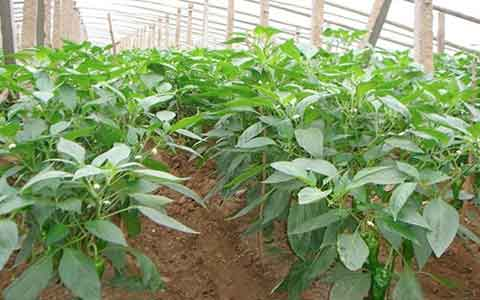
2. Adaptation process for seedlings. Since pre-plant seedlings have been adapted to the soil environment of the seedbed, the replacement of the soil requires a certain amount of time to adapt to the soil environment in the arches, which results in longer periods。
3. Premature planting times have resulted in root causes. As most vegetable farmers do not have pre-planting, and most do so in the form of large-water flooding, they are not well ventilated, resulting in rooting. It is clear from the extraction of the aging seedlings that some of the roots are dead and that the remaining roots are not sufficient to maintain the nutrients and moisture they need for normal growth. Atrophy occurs as a result of high temperatures, large evaporation of plants and high water requirements during the weather。
4. Improper use of farm fertilizer causes the burning of roots. The application of high-quality agro-fertilizers in greenhouses is the basis for high-quality and high-yielding vegetables and the most effective measure to prevent, mitigate and reduce the barriers to greenhouse soils. However, the application of unfertilized farm fertilizer, or the application of undepleted farm fertilizer to the ground, or the application of agricultural fertilizers to the ground, or the application of excessive agricultural fertilizer, may cause high temperatures around the roots, or the concentration of soil solutions to be too high, forcing the burning of the main root of water from the roots of the plant, which affects the development of the root system。
Response
How to solve problems such as overplanting could improve field management techniques by digging around seedlings with small tools to dry out the soil. Appropriately increase soil permeability and avoid decay, resulting in death。
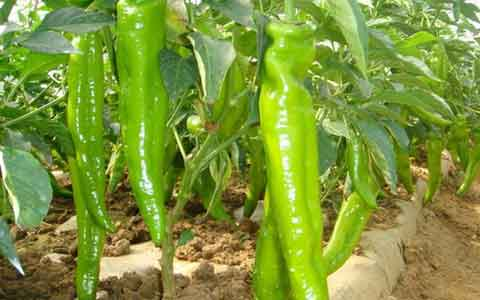
In order to effectively address the issue of “composure”, the following four points need to be noted:
Full decay. Farmer fertilizer must be treated harmlessly, such as full decomposition, before entering the greenhouses, where it is strictly forbidden to enter the shed. In case of corrosiveness, high humidity, seals, and reverses, this can kill bacteria, eggs, grass seeds and reduce insects。
2. Scratch, screen. Fertilized farm fats should be fined and sifted, otherwise they could cause burns to new roots that have just been laid after planting, and the milder impact on development could result in “smuggets”, while the heavyer would suffer atrophy or even death。
3. Deep application. After the fertilizer is distributed, it must be tumbled and mixed。
4. Fertilizing at appropriate rates. Agricultural fertilizer is not as good as it is used, and excessive application is prone to root burning。