Eco-modernity and planting techniques of thorium
I. Ecologic and morphological characteristics
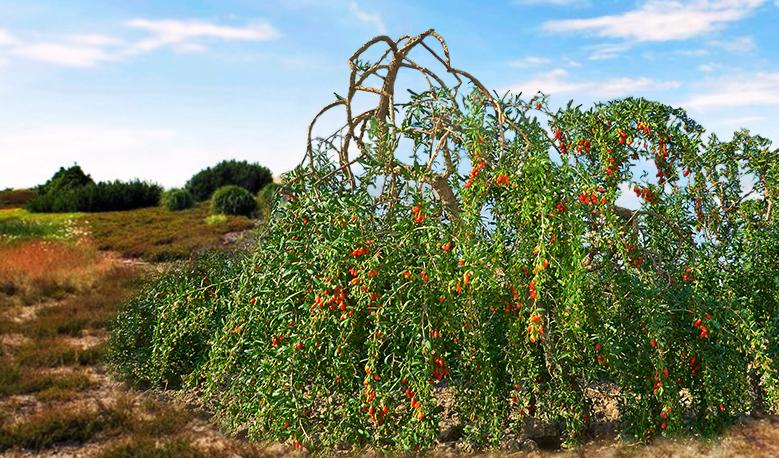
High light, slightly shaded, dry, cooler weather, colder, more resilient, dry, alkaline soil, glitter, sandy border soil well drained, clayy soil and low-humid environments. It is appropriate to use fertile, well-drained, neutral, or micro-acid light soil cultivation. The twigs are down, up to 2 meters. Multiple branches, long branches, arches, elastics, often thorns. Single-leaved or clustered, egg-shaped pins or egg-shaped ellipses, full edge, front-end sharp or blunt, and light green surfaces. Pyrochic, funnel-like, crown-five cracks, cracks long above the barrel, hairy, flower twigs 3-5 cracks, single or corset blades. Egg berries or long circles, deep red or orange red。
Ii. Reproduction techniques
2. 1 selection of nursery land
Living conditions in nursery areas require flat ground and easy drainage. The next year, the next year of planting, in which the ground is ploughed, combined with the application of 2500-3000 kg per acre of fertilization, will be filled with water during the winter and a light tillage before planting in the second spring。
2. 2 seed reproduction
Seeds require the selection of good varieties that are full of grains, live with strength and have a high growth rate. Specific methods: at the time of maturity, large grains of fresh fruit are harvested on a single stamina of good varieties, water is used to wash the seeds with soft scavengers and dry the seeds。
The planting season is divided into spring, autumn and rainy seasons. In spring, usually before and after. Autumn, usually around autumn. The rainy season, summer to and around. The rainy season can also be planted with fresh fruit seeds harvested in the current year. Specific method: 24 hours per day before seeding using 40°c warm water to promote seeding speed and alignment. It is then broadcasted, usually at a depth of 1. 5-2. 0 centimetres and 35 centimetres. When seeding, care should be taken to mix some sand into the seed and then spill it into the ditch, with a thickness of 1. 0 to 1. 5 centimetres and an acre of around 500 g. The soil is to be watered once in accordance with the specific circumstances. In the event of a drought, in order to prevent the fracturing of seedbeds, shades such as straw and straw should be added to the surface and treated peacefully, and the cover removed in time for seeding。
In the long term, pine soil, weeding, insect treatment and the cutting of the branches of the base. Sakami, it is based on the principles of badness and weakness. For the first time, 6-7 cm high, 6-7 cm long. For the second time, at 20-30 cm height, the sapling was around 15 cm。
2. 3 plug-in reproduction
Following the flow of tree fluid in the spring, the buds are carried out before the leaves. The selection of the blubber range of 0. 6-1. 0 cm is a year long branch, which is cut into an inch (15-20 cm) and impregnated with root powder for 24 hours. Open ditches at 30 cm walk distance in the seedbed, open ditches at a 5 cm stretch, plugged in at a 5 cm stretch, and in the ear between 5 and 10 cm deep. Obesity, seeding or adhesive planting, two to three fat-track treatments, with attention to fat-catching by july and water immediately after fatting. After july, on the contrary, less or less water is needed to promote the woodyization of seedlings and smooth winters。
Iii. Planting
The permafrost soil consists of light, sandy or salty land of less than 0. 3 per cent. The first autumn of the year in which the soil was planted was to be replanted, and the second spring when the soil was unfrozen, the best effect was to undergo the planting before the onset. Specific planting methods: digging pits at a distance of 2. 0 x 2. 5 metres, with a depth of 40-50 cm and applying a certain amount of decomposition organic fertilizer. Before planting, care is taken to cut short the long and damaged roots (in the process of transport). When the tree is placed in the den, it shall be filled with wet and loose topsoil, and the seed shall be gently lifted up, and the root shall be stretched out, then the heart shall be filled, and the layer shall be laid down to ensure life。
Iv. Management measures
4. 1 pine soil weeding
In general, the pine soil is used once a year in spring and in autumn. For the first time, after the spring soil was unfrozen, the pine soil depth was 12-15 cm. Its role is to increase the temperature, promote early growth of the roots and create conditions for the growth of the above-ground segment; the second, after the autumn fruit harvest. The depth of the pine soil is typically 20-25 cm, with a suitable shallow flip near the root plate to avoid injury. Its main role is to decompress soil sheeting, rigidity and, at the same time, to allow the fall leaves and weeds to fall together into the ground and decompress the soil。
Weeding in china has to be done many times throughout the long term and the branches of the trunk base have to be eradicated in a timely manner. The aim is to prevent weed consumption of soil nutrients and moisture and to reduce water evaporation。
4. 2 fertilizing water
Despite its poor drought-resisting characteristics, the luminum is subject to stringent requirements. The average base fertiliser is applied from october to november. The practice is to open trenches (ring shapes) on the side of the tree and then to cover the soil, to film and water. Two to three times a year. The first was in early may, the second in early june and the third in late june to mid-july. Fertilizer can be used for urea, ammonium sulfur, ammonium nitrate, etc., each application of 100 kg. Where conditions exist, out-of-the-horizon methods can also be used。
In addition to a combination of fertilizing and watering, water is to be poured in the spring and thereafter every 15-20 days in the event of a dry weather, and winter water is to be poured before the land is frozen。
4. 3 integrative shearing
One of the most important measures in the management of the abrasives is plastic cutting. Correct and scientific integrative trims can produce well-balanced, large-scale and manageable trees. In production practice, the tree types currently used are mainly natural semi-circles, three floors and three umbrellas, of which natural half-circles are more common。
4. 3. 1 teenage plastics
Dry cutting of trees: the cutting is done in the spring by drying 60 cm high in the main tree, choosing three-to-five branches as the main branch, with balanced distribution and robustness。
(b) grass-roots processing of canopy: in the second year of planting, three to five branches will be shrunk back to 30 cm on the main branch, forming the first layer of tree crown; in the third year, in order to expand the canopy, short cuts will be made on the long branches that took place on the bone branches cultivated the previous year。
(b) top-to-top processing: the fifth and sixth year of training, with one or three long branches grown from the top of the tree canopy, in order to induce the side branches to occur, to strengthen the crown, and to trim the top 20-30 cm above the tree canopy surface。
After five to six years of integrative trimulation of the larvae, the tree is essentially stereotyped, requiring a tree height of 1. 5-2 metres, a lower crown of about 2 metres and a upper crown of about 1. 5 metres。
4. 3. 2 adult tree trim
The purpose of the grown-up tree shears is to regulate the relationship between growth and results, to maintain a horticulturally productive tree and to make it productive and sustainable. The branches of the tungsten are strong and the new branches are growing, usually in mid-april, before the early spring spring starts, to cut the branches or branches drying up after winter, and to trim the deficiencies of the seasons. Mid-may to early august, mid-august, cut off the long branches. Autumn cut off the old branch with the sick branch. The whole branch reduces pests and pests, increases ventilation and reduces nutritional consumption。
V. Pest and pest control
The most common pests are aphids, wood lice, mites, pyramids, solid ropes, etc。
The main diseases are black fruit and roots. Specific approaches:
Improved management of winter and spring fertilizing water, with attention to light cuttings for spring fruit production during autumn and winter; heavy cutting in the summer, but better control of water fertilizers; improved management of fall water fertilizers; and full cutting of the disease before the soil is frozen during winter, with leaves planted on the ground and fruit removed. In addition, fruit, flowers and buds with disease are regularly removed during the growing season. Specific preventive measures: bordeaux (1:1:150) or 50 per cent of the wettable debactivation 1000 times the liquid, or 65 per cent of the wettable zinc 500 times the liquid. In short, before the flowering results, mainly debacterium and bordeaux, the result of the flowering is dominated by dyson zinc, or the three pharmaceutical agents are used alternately, sprayed every 7 to 10 days, usually immediately after the rain。
When combating pests and diseases, prevention should be based on a combination of prevention and attention should be paid to early prevention during the may-july period, growing, flowering and outcome periods. Insect treatment begins with a april euphoria, with various vermin activity periods and sprays, with the best effect。
Summary
It is highly adaptable, not only to plant in gardens, but also to plant on mountain slopes, but also to produce early results and long-term benefits. It can also grow in size, but using scientifically sound technical measures, seedlings can sow in the spring until the autumn, and the side branches can bloom, benefiting that year, with the maximum yield of 50 years. It is therefore good to say that the platinum has been cultivated once and has benefited for many years. A 6-year-old plant in a viable area in the west of the mountain can harvest 3-4 kg of dry tea per year and plant 125-135 plants per acre, yielding about 450 kg of fruit per year. In the state-owned forest areas, in the case of the reforestation of joe's herbs for cultivation purposes, plumes can also be planted as pioneer bush trees. As such, it is a good tree species whose economic and ecological benefits go hand in hand。
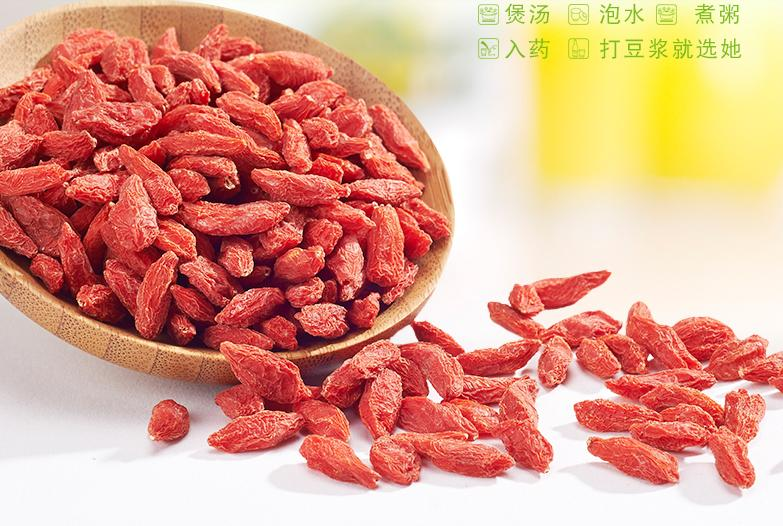
Eco-modernity and planting techniques of thorium