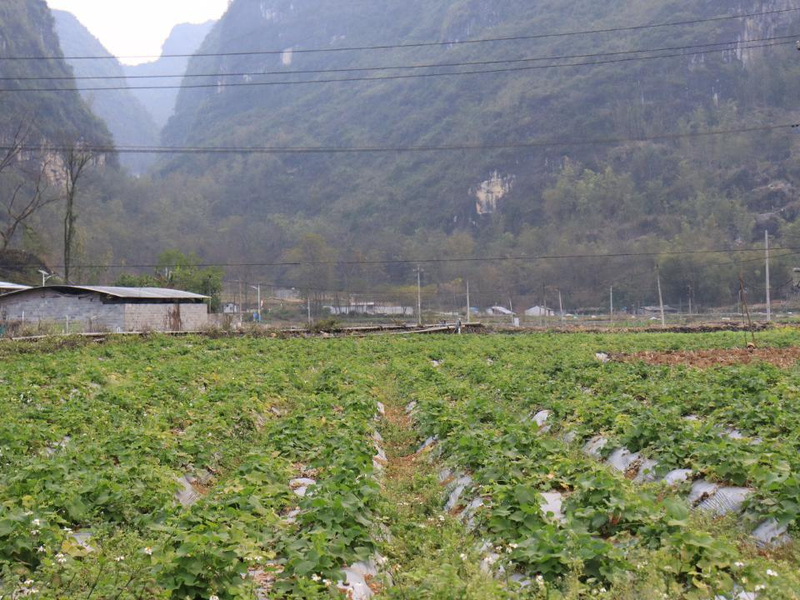
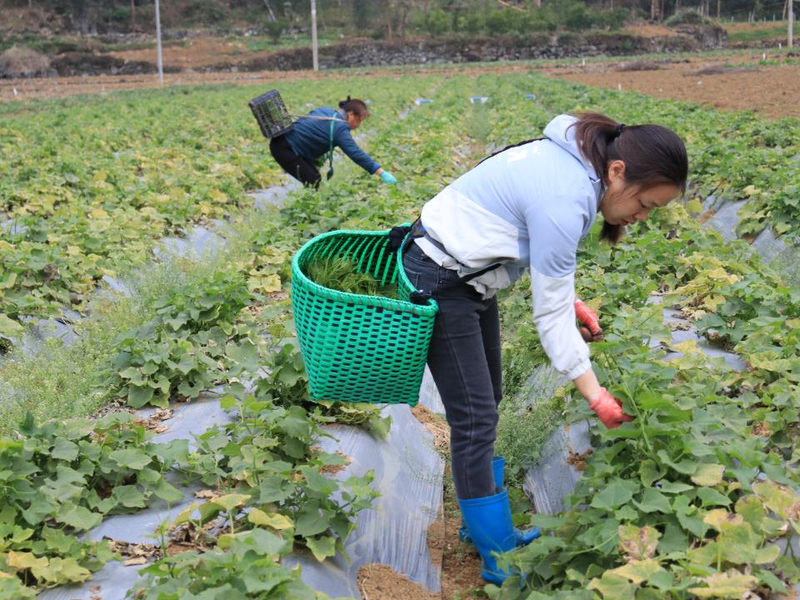
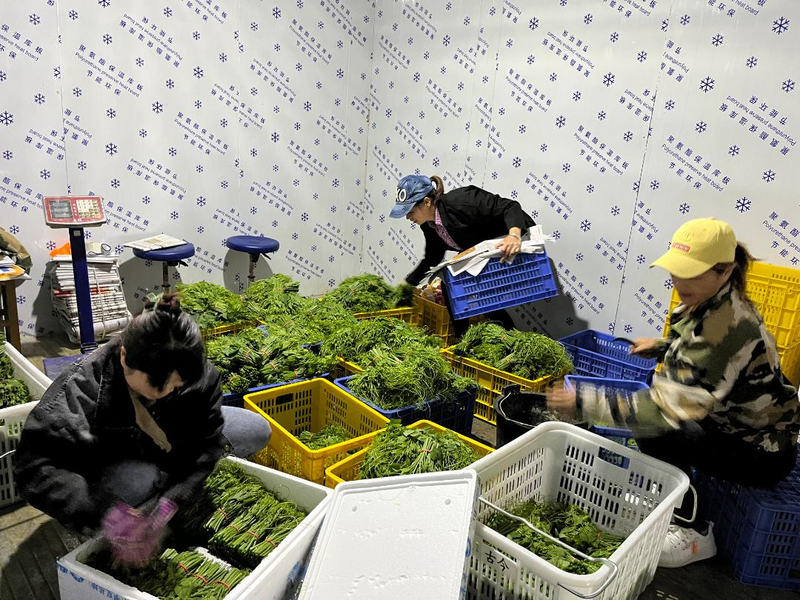
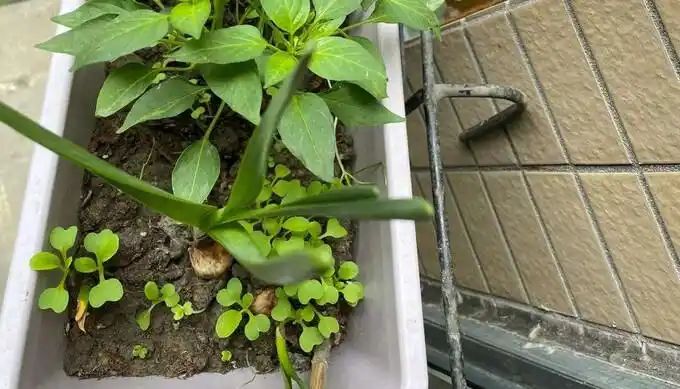
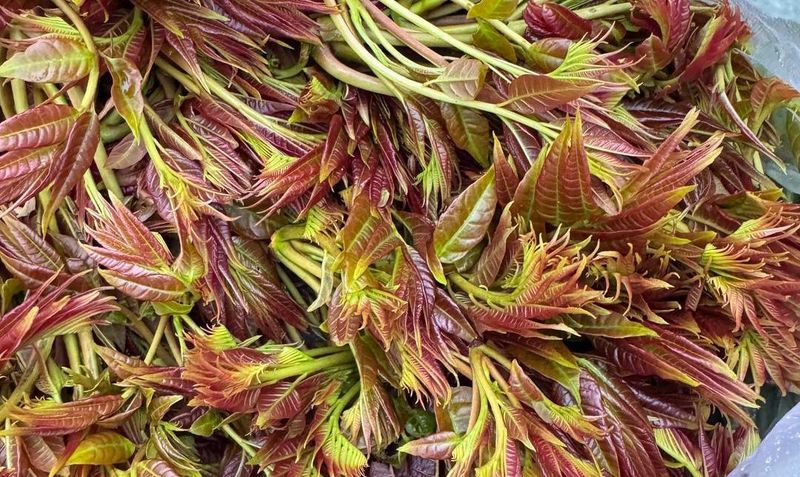
Early in the spring. This year's buddha's hand matures a month earlier than in previous years and the villagers are now starting to harvest。
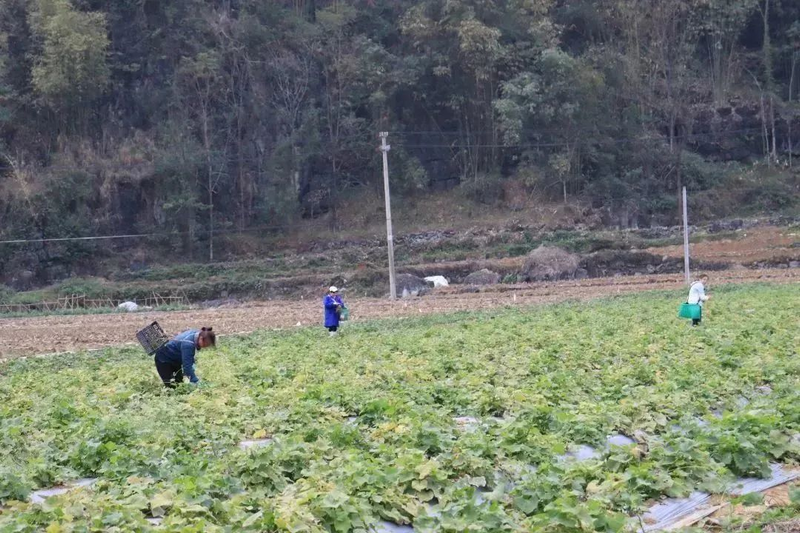
“i grew this year early in the morning, and i finished growing it a few years ago, so i could pick it up and sell it from february, and then every two or three days, higher than traditional corn, and now that corn is growing, i'm already getting paid for it.” according to the villagers' blue sister。
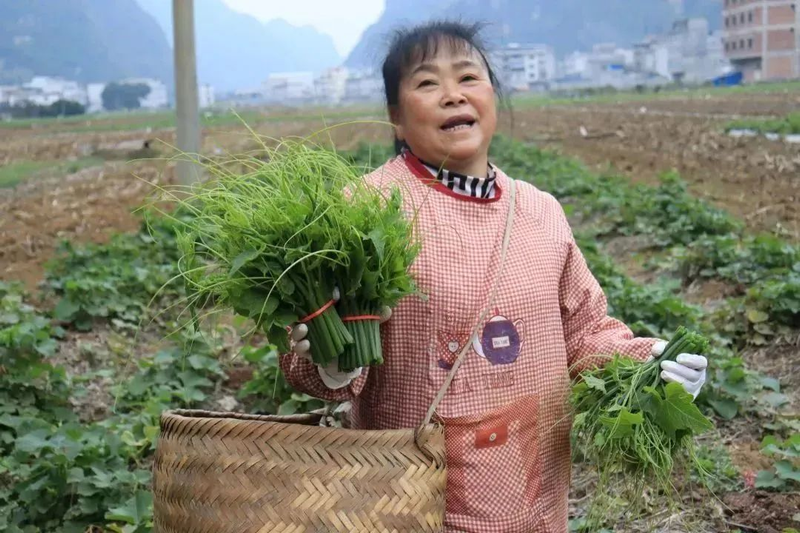
The ancient quartz, which belongs to the grand rock mountain, has a single point of stone, while the buddha's hand is well developed, easy to live, easy to manage, with few insects, can receive two to four years of proper management, can be collected every year from the beginning of february to the end of december, can sell seedlings in spring and summer, can sell melons in winter, and is an agro-specialty industry with good prospects for development, which is very efficient and suitable for the cultivation of the ancient quartz。
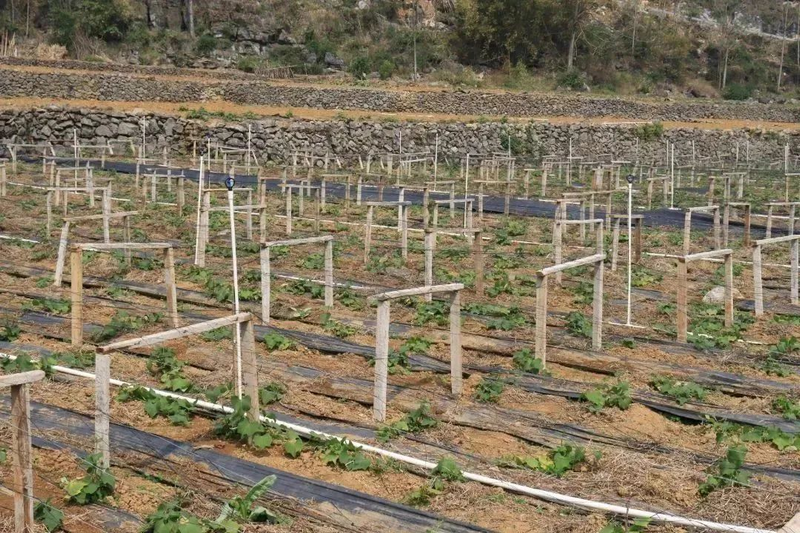
This year, in order to improve the growth and economic benefits of the buddha's melon, some villagers changed the way they used to grow, using bamboo and wire to plant the melon with the buddha's hand, thus helping the buddha to grow and grow and produce productively。
The buddha's seedlings are well-received and popular cultivation has become more active. Over the past two years, the village has been actively exploring the “party branch + cooperative + farmer” model of industrial development, along the lines of the “tribution, party member lead, industrial pavement” and has led the surrounding population to vigorously develop the buddha's melon industry, which has grown between 500 and 1,000 acres, yielding 8,000 yuan in acreage. After the population has tasted the sweets, it has been actively expanding its cultivation this year, and now more than 2,000 acres are grown by the country's buddhists。
As a next step, the plan of the ancient sakura commune has made the cultivation of the buddha's saplings a part of the development of the ancient courtyards, through policy guidance, enhanced technical training, and the creation of the buddha's sapling as a “one-size-fits-all” specialty industry in the country, boosting the local population, improving the living standards of the villagers and helping to revitalize the countryside。