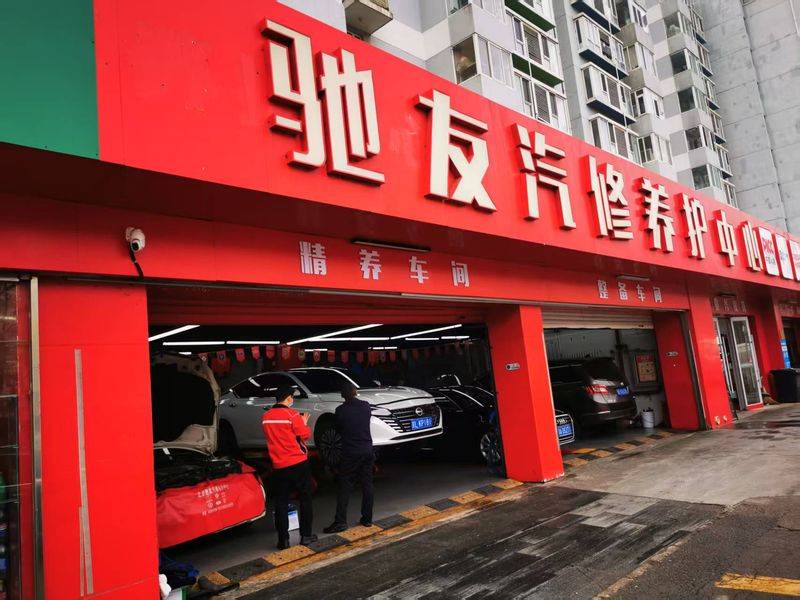
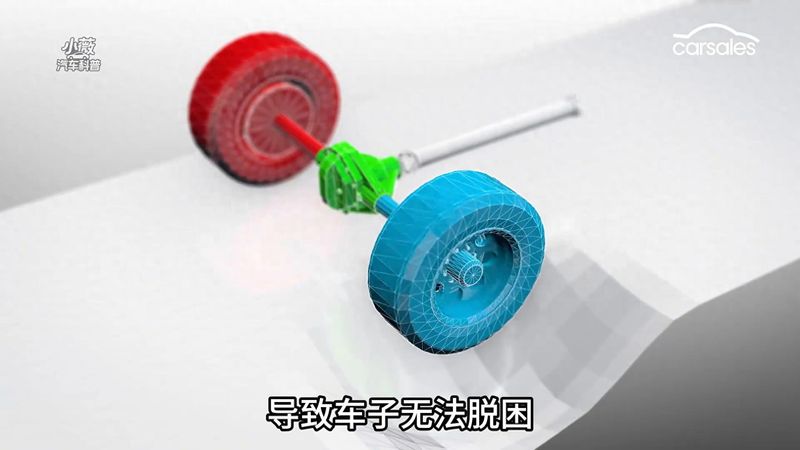
Status of the chassis maintenance plant
In today's growing car holdings, chassis maintenance plants also face many opportunities and challenges. According to the relevant data, our vehicle holdings have exceeded 300 million and are growing at a certain rate per year. Such a large number of cars means that the market for chassis maintenance has great potential。
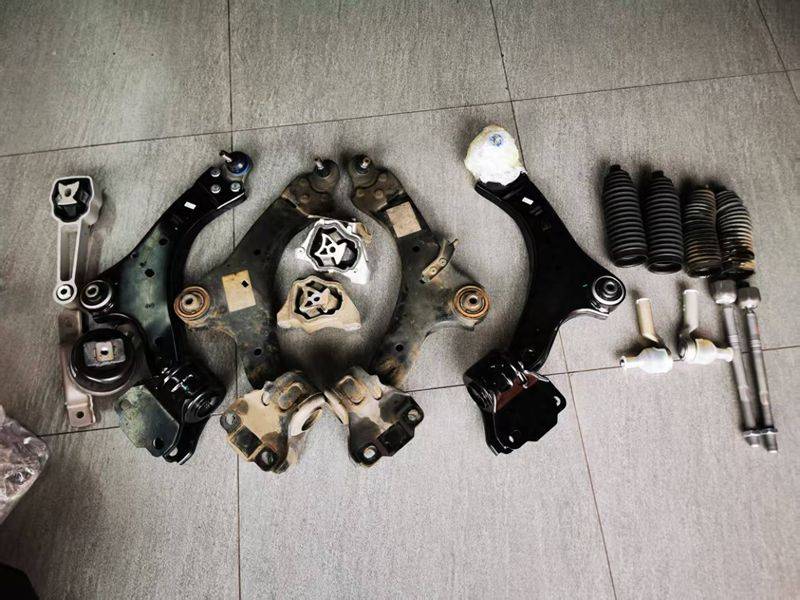
Private car owners are an important customer source of chassis maintenance in terms of client groups. In some large cities, for example, private car chassis is vulnerable to damage due to complex road conditions, such as frequent traffic jams and uneven terrain. Surveys indicate that about 30 per cent of vehicles have different levels of chassis problems when they reach 50,000 kilometres, such as the loss of chassis armour and wear and tear of suspended parts。
Ii. Problems facing chassis repair plants
(i) the level of technology varies widely among the numerous chassis maintenance plants. Some small repair plants lack specialized equipment and technical staff. For example, some maintenance plants still use less sophisticated eye observations or simple knocks to conduct chassis detections to determine accurately the damage to the inner chassis structure. According to industry reports, only about 40 per cent of chassis maintenance plants are equipped with advanced non-destructive detection equipment。
(ii) the supply of spare parts is unstable and there are problems with the supply of chassis spare parts. On the one hand, certain special vehicle types may be difficult to obtain for chassis parts, which could lead to longer maintenance periods. On the other hand, there are a large number of fraudulent chassis parts on the market. An investigation conducted by a head company found that approximately 20 per cent of repair plants had purchased false chassis parts by mistake, affecting not only the quality of maintenance but also the interests of consumers。
Iii. Responses
(i) upgrading technology. The chassis maintenance plant should actively introduce advanced maintenance techniques and equipment. This is done better in the case of cadets, who regularly organize professional training courses for staff to learn the latest chassis maintenance techniques. At the same time, increased input into advanced equipment, such as a high-precision four-wheel locator and a chassis scanning system. These measures will improve the accuracy and efficiency of maintenance。
(ii) to regulate the management of spare parts; long-term partnerships could be established with regular suppliers of spare parts. The car repairs have their own spare parts management system, which carries out rigorous inspection of the spare parts of each batch and prevents fraudulent products from entering the repair chain。
Iv. Summary of the outlook
The chassis repair plant has an irreplaceable role in the current car market. Despite problems such as the level of technology and the supply of spare parts, it is possible to build on this vast market by actively addressing them and constantly improving its competitiveness. As car technology continues to evolve and the chassis structure and materials are being innovated, future chassis maintenance plants will need to adapt to these changes and continuously upgrade the level of technology and quality of services. For example, the fact that the chassis of new energy vehicles is very different from that of conventional fuel vehicles and that their maintenance techniques and requirements are more demanding requires that chassis repair plants prepare technical reserves and personnel training in advance。
In the future, companies that are able to respond positively to the challenge and constantly build up their own power, such as those that focus on technical and service quality, will gain a greater share of the market and provide better quality and professional bottom maintenance services for the owners。