


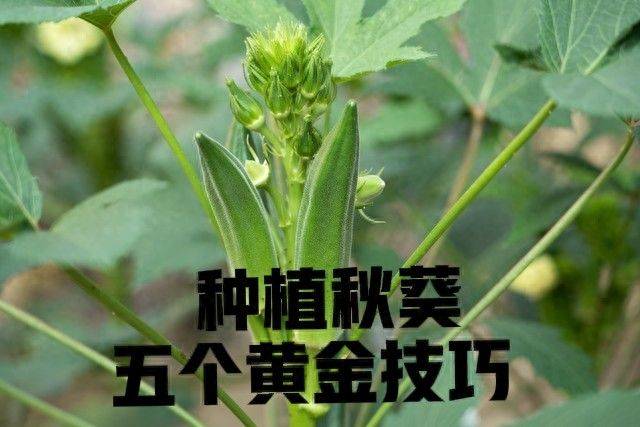
Many people say it's hard to plant an autumn: either it doesn't sow a seed, it doesn't bloom, it's hard to bear a fruit, it's too old to bite or it's full of holes... It's really not the autumn "smuggling" at all, it's you who don't know its "tempered" -- warmness, fear of frost, phosphorous potassium, more and more
Today, the south-north autumn plantation 'guide of the fools', from seeding to harvest, from pest control to fertilizer, is full of dry combat, new hands can do it, and can be picked up from summer to autumn
First, let's get this straight: north and south grow acorns, not just time
Autumn is a typical “hot baby” crop, less than 15 °c without budming, and less than 10 °c with frostbite, so the core difference between the north and the south, all in terms of “time” and “generics”, is nothing
- a friend of the south (south of the yangtze): two seasons a year, don't waste climate advantage
Spring: february-march, as long as the temperature is stable at 15°c or above during the day, direct seeding (no seeding, save)
Autumn broadcasts: in july-august, in order to avoid high summer temperatures, it was recommended that seedlings (shelter the sun with sunnets to prevent the burning of the seedlings), that they grow up to 3-4 leafs before planting, and that they be collected again in october-november
It's easy to pick out any species: red autumn, five forts, and kariba。
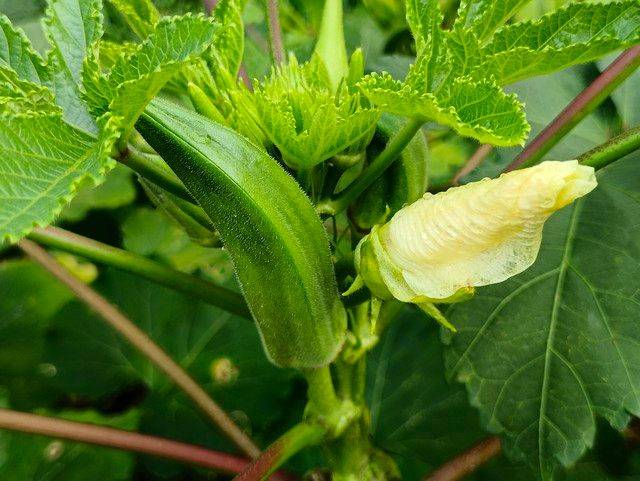
- friends of the north (north of the yellow river): one season alone, baby breeding is the key
It can only be broadcast in the spring: in april-may, the temperature of the surface will stabilize at more than 15° c (the night cream will be completely replanted or the seed will die as soon as it freezes)
(b) the need for seedlings: 20 days in advance, in the greenhouse or on the balcony (one seed per cup with a one-time cup) and growing up to five leaves for replanting and doubling the rate of survival
The selection of varieties is right: preference is given to “cold-resistant and pre-cooked funds”, such as arrows, tokyo five point, with 10 days before normal varieties and avoiding early frost。
Two or five "batter" techniques, new ones can be full of branches
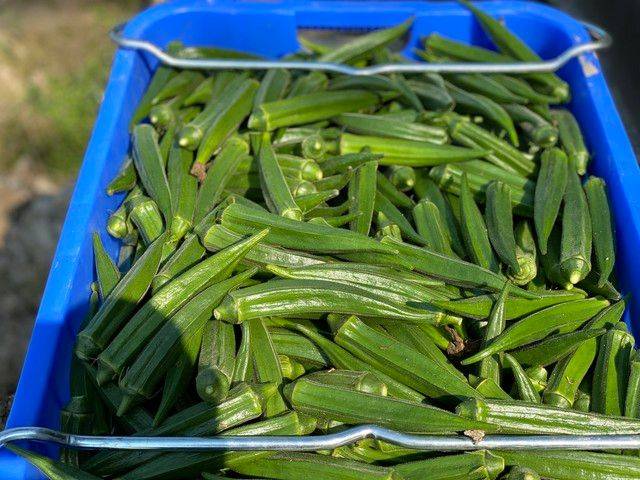
The autumn is growing and its results aren't much. Look at these five steps
1. Leaching seedlings: growth rate from 60% to 90% +
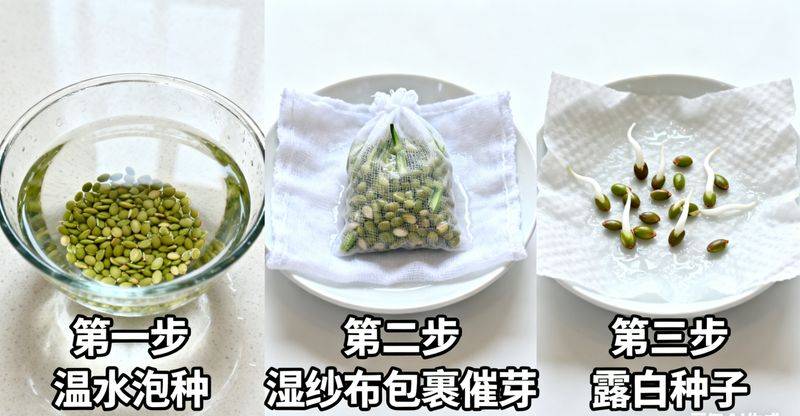
Autumn seed skin is so hard, it's so direct, it doesn't take six months
Before seeding, a 12-hour hot water bubble seed at 30°c (don't use water, burn to death) is used to soak it, wrap it up in a wet cloth, put it at 25-30°c (e. G., by heating tablets, fermentation in ovens), flush it once a day, wait for the seed to come white and grow three to five days
2. Ensemble: don ' t get too crowded, or the long leaves don ' t open hana
A lot of people think it's very productive and wrong to grow a secret spot. Autumn trees are too high, too airy, too prone to disease。
Correct spacing: 60-70 centimetres (presumably one step for adults), 40-50 centimetres (one elbow) for each den, with one strong seed, and a weak one to be pulled out, so that the air is ventilated, the light is high and the flowers bloom。
Top is the key to production growth: 1 metre high, cutting, side branches running
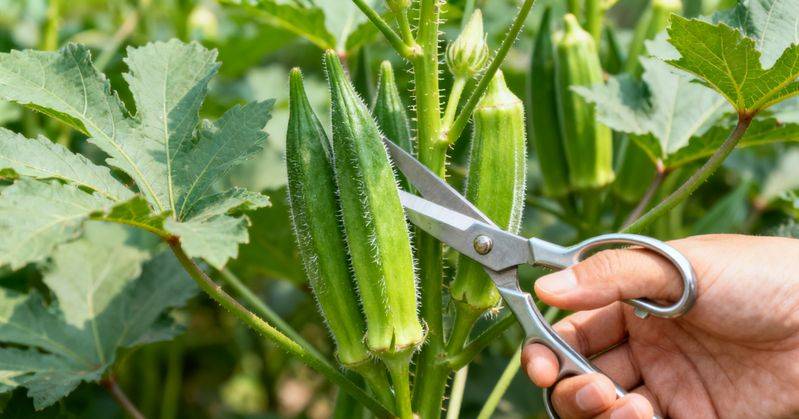
When the autumn grows to a metre high, you must cut the top end! Don't worry, when you're done, the side branch will go crazy, and the side branch of the autumn will produce more than 60% of the total yield! If you don't hit the top, you'll grow a pole up, and the result will be pathetic。
“crazy” harvest: 3-5 days for flowers to be harvested, and the more they are torn
Autumn must be freshly picked. After three to five days of flowers, the fruits grow to 10 to 12 centimetres (presumably hand palms), and cut them with scissors from the handle, and not pull them with the hand。
Remember: if you don't, the old ones will grab the nutrients, the new fruit won't grow. If the fruit grows to 15 cm or more, it'll fibroize, bite and throw
5. Fertilization: the weight of the past is too heavy to hang up
Autumn fattening is a saying: "fat control, fruit feeding!"
- sufficient base weight: before seeding or shifting, lay in the soil some decomposed chicken dung and sheep dung (2,000 pounds per acre, one in a bowl if the family is grown) and a little calcium phosphate (20 pounds per acre), which is “basic food” and is no longer fertilized
- don't feed more during the seed season: before the seeding occurs, only one thin fat application (1:1 composite fat for nitrous phosphorus, 1,000 times diluted) is applied, and no nitrous fertilizer (e. G. Urea) is fed, otherwise the light leaves do not bloom
- potassium fattening: once every 10 days after flowering, with potassium phosphate (800 times thinner, root or leaf spray), three or four times in a row, with abundant flowers and full fruit。
Iii. Insect prevention: physical control is the dominant and less drugs are safer
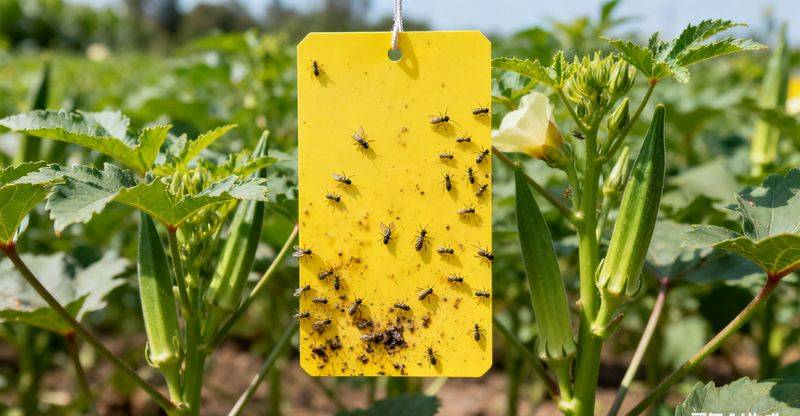
There's not a lot of acupuncture pests, mainly aphids, horsebacks, cotton bells
- aphids, aphids: yellow sticky plate seconds kill
Both of them prefer yellow, with yellow slabs in the akims (20 pieces per acre and 10 centimetres from the top of the plant), and the insect itself is glued up, without any use of drugs; if there are too many insects, 10% of the aphids are humid powder (1,500 times diluted), with a seven-day safety interval of seven days and seven days to pick up the fruit。
- cotton bellworms: manual catch + low poison
The larvae of the larvae grazed into the nuts, found a small hole in the fruit, caught in the morning (the larvae stayed in the morning), and then crushed to death; if not, 20 per cent of the vinyl beamide suspension (reduced 2,000 times) was sprayed, highly toxic, safe to humans, seven days apart to pick the fruit。
- prevention is more important: don't get involved, clean grass
The same land, which for two years in a row grows sunflowers, accumulates insects and disease; before planting it cleans up the weeds, the worms have no place to hide, and there are fewer of them。
Finally: autumn is lazy. Just remember three points
1. Temperature: frostless species, two seasons in the south and one season in the north
2. Critical: seedling, roofing, fruit feeding of potassium phosphorus
3. Insects: placing a viscous plate, not using low poison。
My neighbor's aunt did it last year, collected more than 30 pounds in the north, and our friends from the south are still picking the fruit. What's wrong with you? Is it unbreeding or not? Let's talk in the comment section. I'll give you an idea



