


In order to further advance the standardization and scale-up of the industry under the seven stars of the city, to solve the technological difficulties of growers, and to build the foundations of industrial development, on 2 april, the core members of the team of zhu kwok-jin, the chief scientist of the technical system of the edible fungi industry in guizhou province, travelled to the land village of the seven stars of the city to train on-site techniques for the cultivation of the forest。
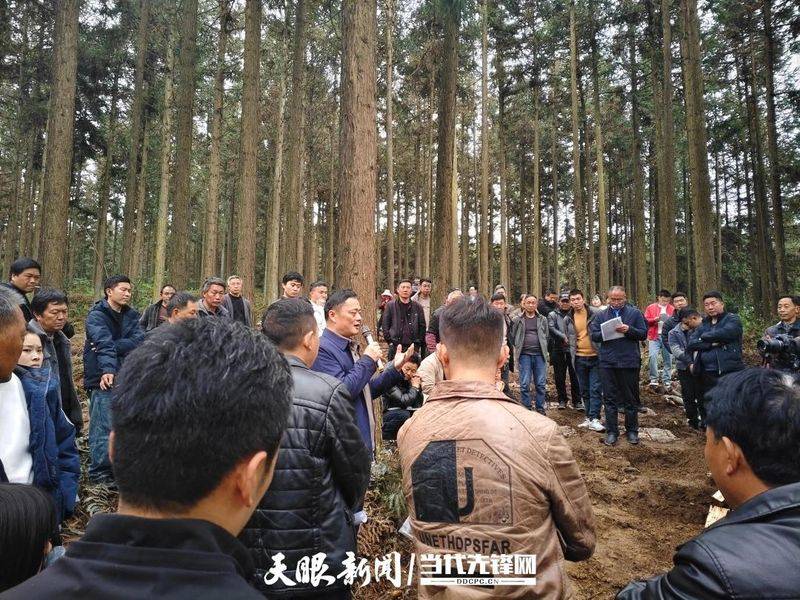
More than 100 participants from the agricultural rural department of the seven star regions, the relevant officials in the town of great silver, the directors of the eight townships in the town of great silver and its surroundings, the members of the two sub-committees in the villages of great silver town, the growers, the directors of the bi-eco-agriculture company ltd. And the farmers, participated in the training, with a strong atmosphere of on-site learning and technical guidance。
On-site, the zhu kwok seung-soo researcher gave detailed lectures on the core elements of field selection, selection and treatment of bacterial materials, growth of honey circulatory bacteria, field management, both professional and practical, and delivered “technical meals” to the participants。
“selection of land is the primary prerequisite for high productivity and productivity, with priority being given to slow slopes, flats and drought-prone ridges. It is not appropriate to choose water-receivable dimples and dry ridges. It is appropriate to select a soil that is lax and water-preserving, which is less adhesive and less water-preserving, to ensure proper water and oxygen content for the growth of the plume and honey circulus, and to avoid a lack of oxygen, drought and water flooding, which reduces the vitality of the plume and honey circulus。
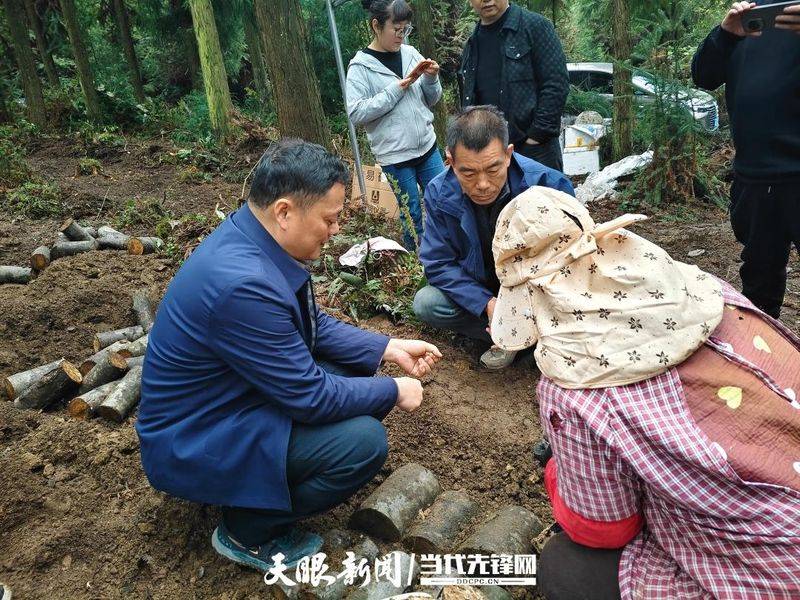
The scientific selection, the preferred honey circulus “nutrient bed”, and the central component of the selection of the fungus, are discussed in detail by the zhu kwok shing. He described the choice of broad leaves with no oily and aromatic substances as a fungus, where thick wood was the best. Trees are often chosen, e. G., cyanokas, gills, cedars, etc.; pines, cedars and needle trees containing aromatic oils or resins are strictly prohibited, and such species inhibit the growth of honey rings。
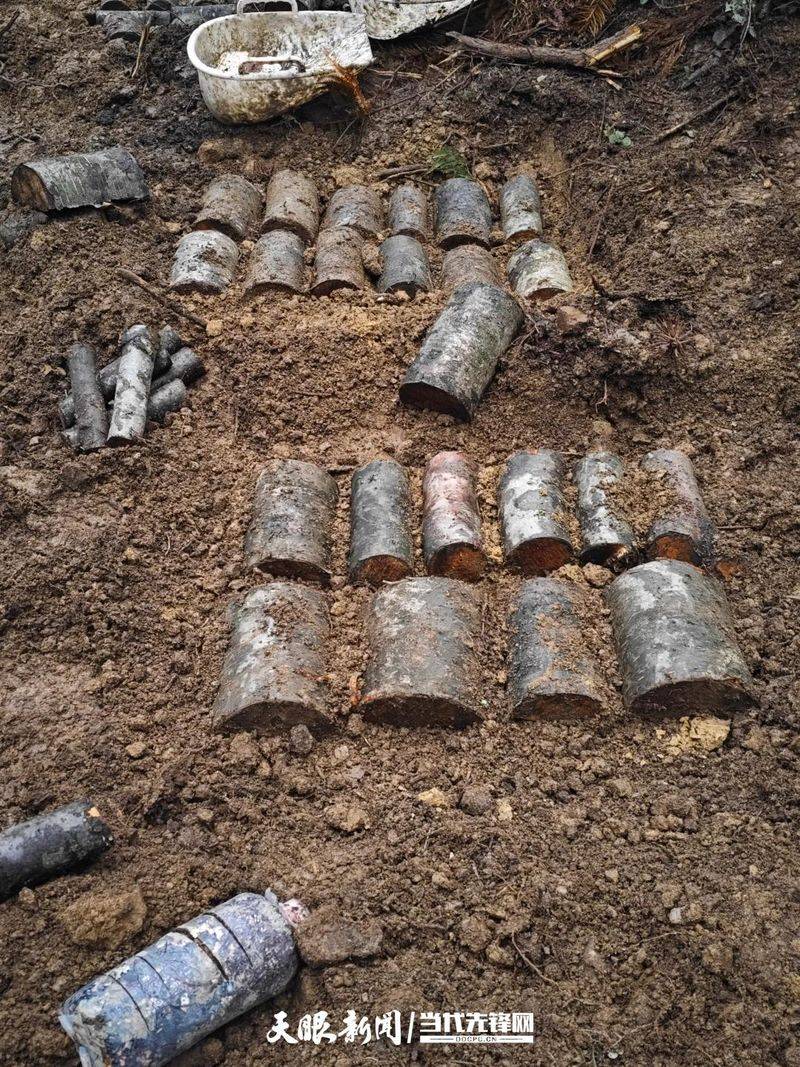
At the same time, the zhu kwok kwok focuses on the key to the treatment of bacteria: some trees can be cut off immediately, others (e. G. Seedlings and marsan species) need to be slain (e. G. Sun-burning, steam-high-temperature sprouts, etc.) to prevent the growth of the fungus after burial and the failure of the fungus to infect them; but the fungus cannot be dried and skinless, otherwise the fungus can be infected successfully and the fungus easily breed. The fungus grow below 20 cm, and the meringues grow into large pieces close to both ends of the fungus close to the pelvis。
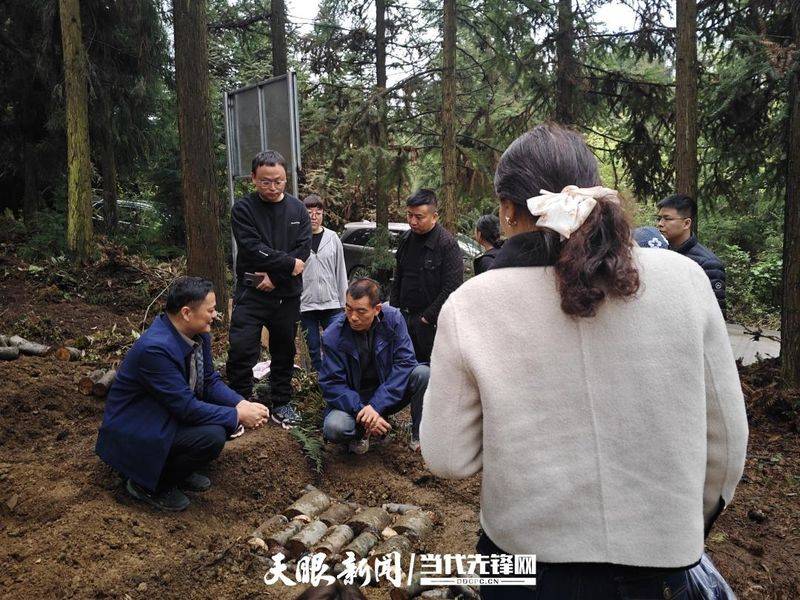
In response to the bacterium-to-bacterium contact techniques, the zhu kwok win field presented the practical points: the excavated bacterium rods need to be in close contact with the wood cut, the bark of the tree to ensure rapid infection of the bacterium; they can be fitted with branches that are susceptible to infection by the honey circulus, accelerate the infection and growth of the circulus, shorten the growth cycle of the fungi and improve its quality。
In the face of slow growth, hibernation or injury from extreme weather conditions, zhu kwok kwok gave targeted management techniques: during high-temperature droughts in july-september, cooling by covering grass or building sunnets to prevent high-temperature stoppage or heat burns, in the cold seasons of april and november, increasing production and quality by increasing heat through rembranding, long-term long-term adjustment through high and low temperature; high-humid rainy seasons, cleaning up of forest-land drains, avoiding water accumulation, preventing decay of the sympiosis, and moderate ventilation, reducing inter-forest moisture and reducing the risk of fungible growth。
Upon completion of the field training, zhu zhu zhu zhu zhu zhu zhu zhu zhu zhu zhu zhu zhu zhu zhu zhu zhu zhu zhu zhu zhu zhu zhu zhu zhu zhu zhu zhu zhu zhu zhu zhu zhu zhu zhu zhu zhu zhu zhu zhu zhu zhu zhu zhu zhu zhu zhu zhu zhu zhu zhu zhu zhu zhu zhu zhu zhu zhu zhu zhu zhu zhu zhu zhu zhu zhu zhu zhu zhu zhu zhu zhu zhu zhu zhu zhu zhu zhu zhu zhu zhu zhu z participants in the training indicated that the training was full of dry supplies, which addressed long-suffering technical difficulties and increased confidence in the standardized cultivation of forestine. The head of the biblical eco-agriculture co. Ltd. Said that the training would be an opportunity to promote the application of the technologies learned, to encourage farmers in the surrounding areas to scale up their cultivation, and to create a sub-sembly industry。
Zhu kwok-chung indicated that the technical system for the food industry would continue to focus on the development needs of the climate industry in the city, with regularization of technical training, on-site mentoring and scientific and technological services, support to the standardization, scaling development and branding of the sauna industry in the seven star regions and even in the city, promote the integration of the sauna industry with the health and specialty food industry, and make small salines a “gold goose” for boosting farmers' incomes and boosting rural renewal。
Zhang yunxian
Editor, tang jie
Second instance, liang sing
Third trial, liu xuan



