Published by the china bacteria society
T/msc003-2024
Contents
Preface i
1 scope 1
2 normative citation 1
3 terminology and definitions 1
4 technical requirements 2
5 culture base formulation 2
Production of 6 bacterial species3
7 bacterial mass 4
Eight to save four
9 signs, packaging, transport, storage, etc. 4
Appendix a (information)6
T/msc003-2024
Foreword
This document is in accordance with part 1 of the standardized guidelines gb/t1. 1-2020: rules for the structure and drafting of standardized documents
And drafting provisions。
This criterion is referred to by the chinese bacteria society。
Drafting unit for this standard: institute of pharmaceutical plants, chinese academy of medical sciences。
Principal drafter of this standard: guo sun-sung, zeng xue, hae-hin。
T/msc003-2024
Technical protocol for the production of nectar-planted circulus species
1 scope
This document applies to the production of honey circulus species grown in gastrodiaelaeta bl. F. Glaucas. Chow
And use, including some species of honey circulus (armillariaspp.)。
2 normative citation documents
The content of the following documents constitutes an essential provision of this document through their normative references. Of which, date
Quoted documents, only the version of the date applicable to this document; date-free references, the latest version (including
All changes are applicable to this document。
Gb/t1. 1-2020 standardized guidelines part 1: structure and drafting rules for standardized documents
Ny/t528-2010 technical protocol for the production of edible bacterial species
Ny/t1935 – quality safety requirements for edible bacterium cultivation matrix 2010
Db51/t1640 mit protocol
3 terminology and definitions
3. 1
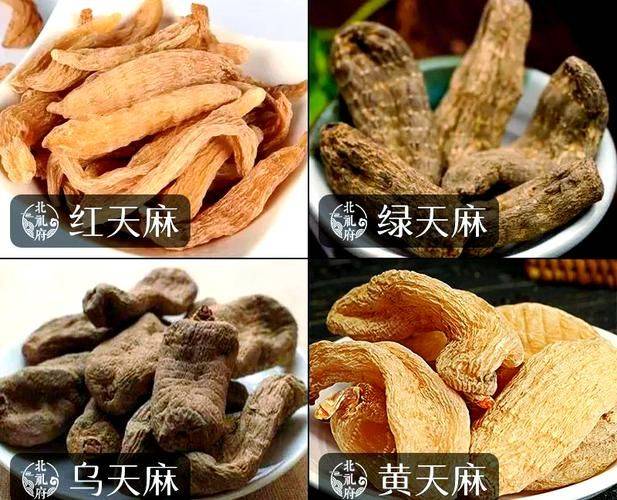
Gastrodiaelata bl. F. Glaucas. Chow
Utsima, which is a transformation of tima, ash brown, with white stripes, blue green, and has a high drying rate
Good varieties; obituary, of good quality and taste, produced in mountain areas at 1200-2000m。
3. 2
Meekles
Symbiotic fungus that provide basic nutrients for the growth of the plume, and part of the fungus that forms part of the comy-circus
Plants such as armillariagallica marxm. Romagn。
3. 3
Bacillus
Biology of the honey circulus culture used in reproduction or cultivation, which is grown on a suitable matrix。
Source: gb/t12728, 2. 5. 6
3. 3. 1
Motherstockculture
Solid filament pure cultures and their successors selected by various methods. It's also called class one
Pipes。
Source: gb/t12728, 2. 5. 7
3. 3. 2
Parentspawn
Pure culture of fungus filaments from mother species transplanted and expanded. Also known as level 2。
Source: gb/t12728, 2. 5. 8
3. 3. 3
Cultivation spawn
Pure culture of the fungus filament resulting from original transplantation and expansion. It's also called level 3。
Source: gb/t12728, 2. 5. 9
T/msc003-2024
3. 4
Nutrient medium
Appropriately physico-chemical, used in the microbial growth matrix。
Source: gb/t12728,2. 1. 22
4 technical requirements
4. 1 technical staff
The technicians should have operators, inspectors, etc. Appropriate for the production of bacteria。
4. 2 site selection
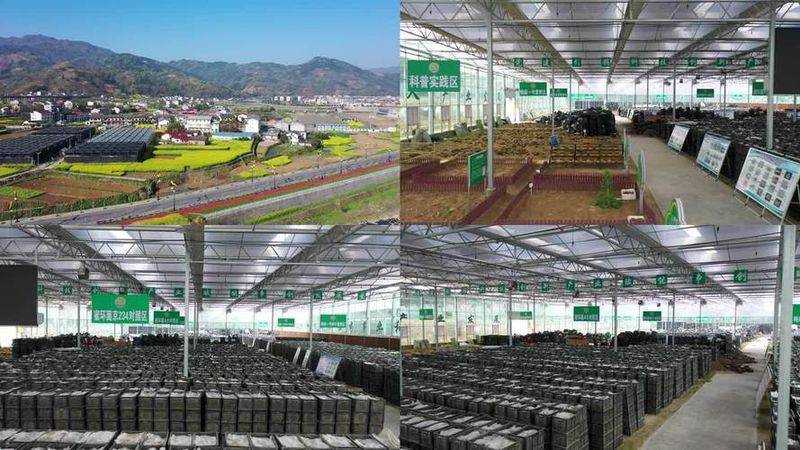
Sites with high terrain, good ventilation, open drainage and easy access should be selected。
4. 3 plant set-up and layout
4. 3. 1 the plant shall be set up in accordance with a rational arrangement for the process of production of the bacteria. This could include stand-alone tans, raw material storage, matching
Material distribution rooms (fields), sterilization rooms, cooling rooms, vaccination rooms, culture rooms, storage rooms, bacterial testing rooms, etc. Construction of plant
Structures and functions should meet the basic requirements for the production of bacterial species。
4. 3. 2 the sunbath shall be flat and open with sufficient light。
4. 3. 3 the raw material reservoir shall be hot and dry, rain-proof against tides, insects, rat-proof, fung-contaminated and equipped with fire protection facilities。
4. 3. 4 the sub-rooms (fields) of the ingredients shall be free of charge and in sufficient space. Outside the room, there should be a ceiling to protect the sun from rain。
4. 3. 5 the sterilization chamber shall be equipped with hydropower, good ventilation, easy access to materials, heat supply packages and security monitoring facilities。
4. 3. 6 the cooling room shall be clean, dustproof and dispersible。
4. 3. 7 the inoculation room shall be provided with a buffer room, which shall have a good air-conditioning function, smooth inside walls and roofs, and shall be regularly cleaned and disinfected。
4. 3. 8 the culture and storage rooms should be smooth with interior walls and roofs to facilitate cleaning and disinfection; the walls should be of appropriate thickness for temperature control and control
Wet, easy to ventilate; pest control measures。
4. 3. 9 bacteria testing rooms: water and electricity are convenient for the installation of appropriate inspection instruments and equipment。
4. 4 facilities and equipment
Facilities and equipment include mixers, bottling (bags), high-pressure or common-pressure cisterns, ultra-purification workshops or vaccinations
Boxes, scales, scales, thermostats, dehumidifiers, incubators, incubators, refrigerators, microscopes, etc., and conventional appliances. High pressure
The fungicide pot shall be subject to annual security tests by the relevant authorities。
4. 4 health requirements
4. 4. 1 plant installations shall be kept clean and free of poultry and livestock, garbage, faeces, sewage and jan in 300m
Other sources of pollution are dust cement plants, brick mills, lime mills, wood processing plants。
4. 4. 2 production using packagings, raw materials, etc., shall be hygienic in accordance with the provisions of ny/t528。
4. 5 production process
The process of production of the honey circulus species is suitable for inoculation (inspection) inoculation of the stratification of the fungi in the form of a culture base
Done。
5 culture base formulation
The culture base shall be in accordance with ny/t1935 and shall not select spoiled, contaminated raw materials, pesticides, fertilizers, etc。
Natural materials, such as shellwork leaves, fruit trees or broad leaves, or wood crumbs, millet, corn core, etc., require fresh
Insect-free, impurity-free, clean, dry; nutritional supplements, such as glucose, magnesium sulphate, potassium dihydrophosphate, etc., selected for chemical purity
And above。
Recommended strain formulation, see table 1:
Ii
T/msc003-2024
Table 1
Bacillus name: stock grade matrix formulation
(1) 200g leather organic potatoes, 20g wheat, 20g glucose, 8g joan
Mother
Filter and remove the ion water to hold up to 1000 ml。
(1) potato 100g, wheat 30g, wood crumb 30g, pine needle 20g, soybeans 20g, corn
Powder 20g, glucose 10g, magnesium sulphate 1g, potassium dihydrophosphate 2g, gum 18g, ion water
It's a meringue
It's set to 1000 ml。
(2) 20% wheat, 75% wood, 5% corn, 75% water.
(1) a wooden stick with 0. 1 per cent magnesium sulphate and 0. 2 per cent potassium phosphate immersed 24 hours
Cultivation
Yeah。
6 fungi production
6. 1 bacillus mass
6. 1. 1 a strain suitable for obituary planting shall be selected, seeded from units with the corresponding qualifications and of a clear caste。
6. 1. 2 bacillus produced from sources shall not be produced without the use of bacteria of unknown origin and of unsystematic tests in their form group
Weaver。
6. 1. 3 mothers of the mecyclic fungus should be tested for the quality and genre of the bacteria, including purity, each year before they enter the expanded production process
Degrees, vitality, consistency in the growth of the fungus, growth rate of the fungus, appearance of the fungus, etc。
6. 2 bacillus production
This should be done in accordance with ny/t528。
6. 2. 1 production of parent species
Mother species of honey circulus are suitable for production from august to september each year and 1. 5 to 2 months before the original species are produced. Step by step:
(a) the matrix formulation is determined by the formula in table 1, which allows for moderate increases or decreases。
(b) sub-assembly: culture base in glass test tubes. For each tube, a fraction of 1/2 to 2/3 of the length of the tube, plug
Cotton or silicone。
(c) bacillus eradication: high-pressure sterilisation pot pressure 0. 12 mpa ~ 0. 15 mpa, fungicide temperature 121°c ~ 122°c, sterile
At 30min time, the parent species of the honey circulosis should be placed on a stand-by basis at the end of the sterilization, with cooling backup。
(d) inoculations: 0. 5 cm in diameter with a sterile operation on an ultra-purified workstation or in an inoculation box
Bacillus, transposed to test tube tilt cultures. And label. The label should include the number, source, vaccination time, etc。
(e) cultivation, testing: once the honey circulus is vaccinated, the inoculation tube is placed in a thermostat at 18°c-20°c
The fungus of the honey circulus grows with a culture base (18d-30d). It's time to pick out the filaments that are slow, thin and uneven
Dark, polluting。
F) the number of parent tube transfers shall not exceed five。
6. 2. 2 original production
Original species of honey circulus are suitable for production from october to november each year, and 1. 5 to 2 months before the original species are produced. Step by step
Lines:
(a) the matrix formulation is determined by the formula in table 1, which allows for moderate increases or decreases。
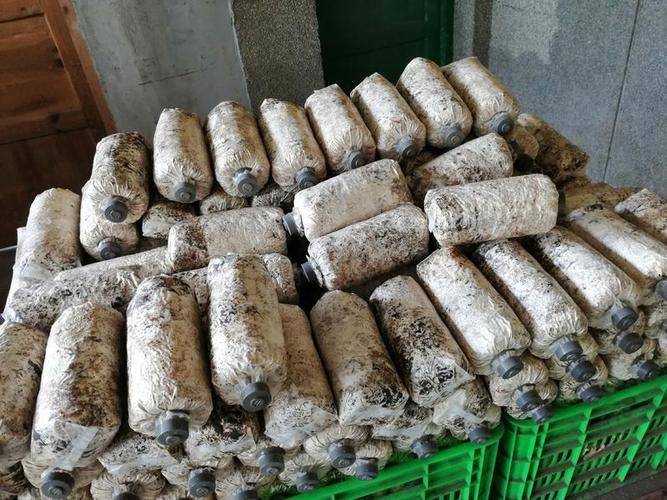
(b) sub-assembly: the culture base is filled with 500 ml seed bottles, filled to the shoulder of the bottle, with an air hole in the middle, and ges。
(c) sterilization: high-pressure sterilisation pot pressure 0. 12 mpa ~ 0. 15 mpa, antibicide temperature 121°c ~ 125°c, sterile
90min time, cool back up。
(d) vaccination: on the ultra-netted table or in the inoculation box, selects about 1. 5 cm in diameter ~ 3. 0 cm in sterile operation
High-quality parent block(s) (with cultures) are transplanted to the upper centre of the original culture base and then gypsy or plaster. And the same
A batch of labels. The label should include the number, source, vaccination time, etc。
Iii
T/msc003-2024
(e) cultivation, testing: once the honey circulosis has been vaccinated, the inoculation bag is placed in a greenhouse at 18°c ~ 20°c medium
30d-60d, and the memococcal filament can grow full of culture. It's time to pick up mybs in time
Slurp, uneven, dark, polluting。
6. 2. 3 cultivation
The production of honey circulus cultivation is appropriate from december to january of the following year, and from two to three months before the cultivation of tream. Press
Steps to implement:
(a) the matrix formulation is determined by the formula in table 1, which allows for moderate increases or decreases。
(b) sub-assembly: cultured materials are filled in vials or bags of fungi, filled to the shoulder of the bottle or around 5 cm at a distance, gesell。
(c) sterilization: high-pressure sterilisation pot pressure 0. 12 mpa ~ 0. 15 mpa, antibicide temperature 121°c ~ 125°c, sterile
Time 210min, cool back up。
(d) vaccination: high-quality seed blocks of 3. 0 cm in diameter ~ 4. 0 cm in sterile rooms with sterile methods
The transplant is administered to the centre of the original culture and is followed by a guacamole or zapago. It's not the same thing
The label should include the number, source, vaccination time, etc。
(e) cultivation, testing: once the honey circulosis has been vaccinated, the inoculation bag is placed in a greenhouse at 18°c ~ 20°c medium
Cultivate 60d-75d, the memococcal silk grows over the entire culture, and it should be produced in a timely manner, with slow, thin and thin
Uneven, dark, polluting。
7 fungi mass
Mother, original and planted species of honey circulus are robust, fresh, clean and non-contaminated, as shown in the appendix。
8 in the library
8. 1 repository
The bacteria that have completed the culture should be registered in a timely manner. The time, strain, operator, etc. Should be recorded at all stages of bacteria production。
8. 2 stay
Bacillus should be sampled in quantities not less than 10 (bottles, bags) per batch, at 4°c cold
Hide, store to the user to produce honey circulus under normal conditions。
9 signs, packaging, transport, storage, etc
9. 1 signs
9. 1. 1 label
The label shall conform to the provisions of table 2。
Table 2 quality requirements for honey circulus strains in obituary pyroculture
Bacillus name strain name
Number of intergenerational transmissions of bacterial species
Production unit (searchy) procurement unit (searchy)
Vaccination date for bacteria
Qualified strains: poles/bottles
Test opinion
Period of validity of certificate
Test