In modern rural farming, many farmers have suffered from a lack of technology and, worse still, tens of thousands of inputs have been delayed because they do not understand the market. However, success has not been lost. Data from the ministry of agriculture and rural development show that 70 per cent of the crop failures are related to technical slabs. In order to increase production and avoid risk, we have crafted the five major gold crop cultivation programmes to help you to grasp the secret of planting and maximize the benefits of land。
02 gold crop technical discovery
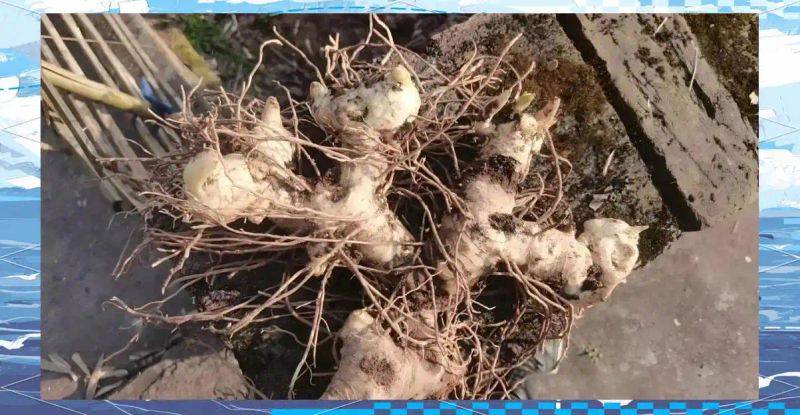
Yellow cum cultivation techniques
Yellow has been dubbed “soft gold” under the forest and its planting techniques are critical to the returns. A mastery of the secret of yellow-sweet farming will help you to achieve a significant increase in land revenues。
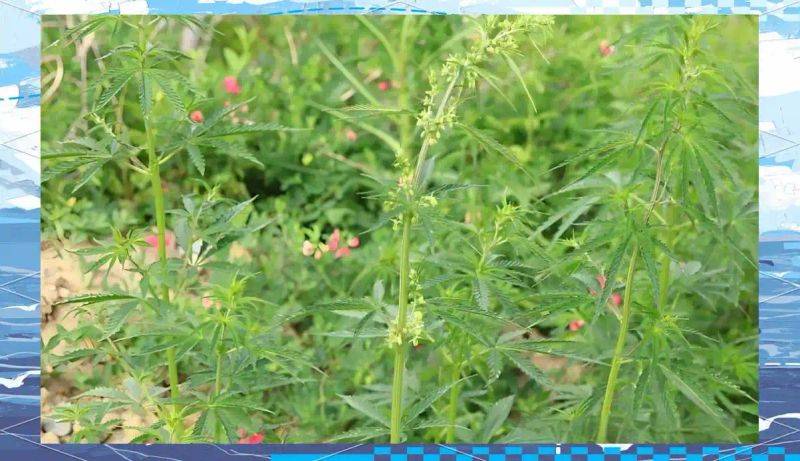
The core elements of yellow-creeding techniques: yellow-creeding requires stalk selection, soil moisture control, rational planting density and the use of leaf-faced fertilizer to improve yields and quality。
1. Careful selection of saps: choosing a strong two-year sap and immersing in over 50% of more than 500 times the fluid for 15 minutes to disinfect。
2. Strict control of soil moisture: ensure that soil water content is between 25 and 30 per cent and that drains are dug in time to prevent water accumulation during the rainy season。
3. Rational stereoculture: the distance between yellow sperm and the main crop should be kept at 1. 2 metres at the time of planting so as to avoid competition for light between them。
4. Timely foliage fattening: during the extension period, 0. 3 per cent of the potassium phosphate solution is sprayed every other month on yellow blades to promote their growth。
Cultivation management
By following these planting tricks, you will be able to significantly improve the yield and quality of yellow sperm, thereby maximizing the benefits of land。
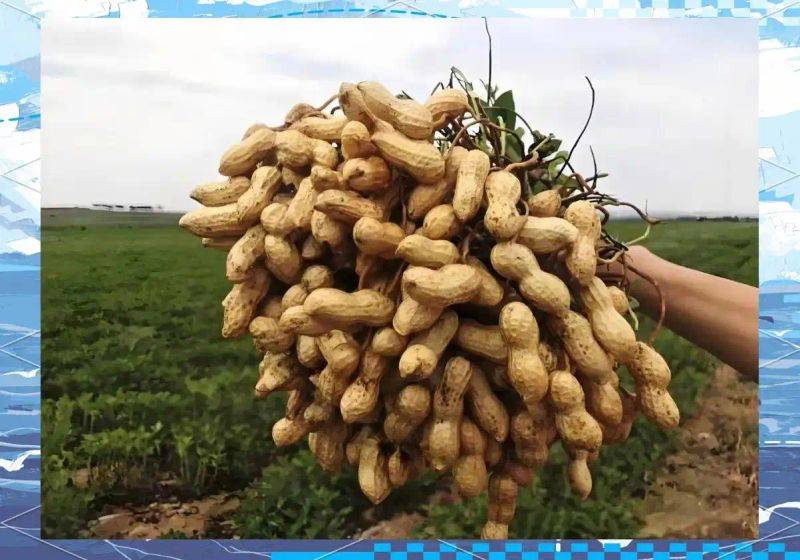
Core elements of yellow-cream management: avoid reconnection, with a minimum rotation of three years; cover rice straw in winter, and fresh goods are processed through scavenging and drying。
1. Avoiding association, it is recommended that the cycle be rotated over three years。
In winter, yellow straw is covered in order to protect the temperature, thereby preventing the occurrence of freezing。
3. For the processing of fresh goods, the process takes a greening and drying step in order to prevent the occurrence of mold。
Pyramid cultivation techniques
Pyramid, this drought-resistant crop, does not mean that it can be managed extensively. To ensure their healthy growth, it is essential to master key technical points。
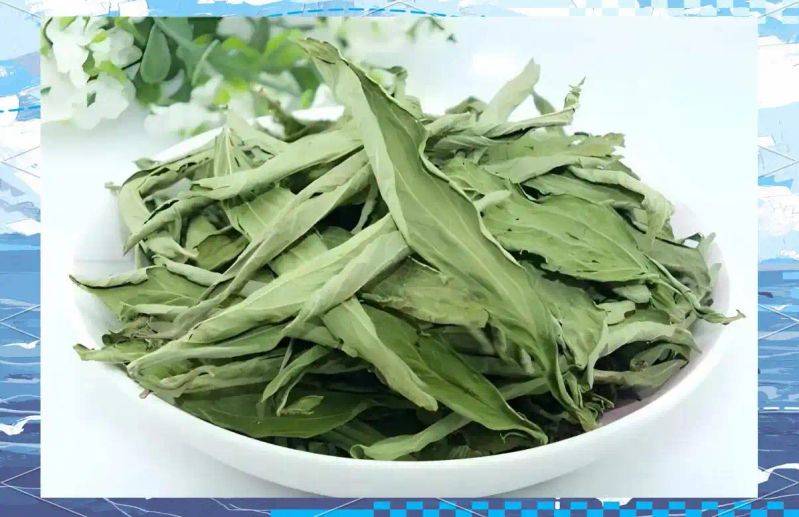
(b) core elements of the pyrochlor cultivation technology: rationally strangulation based on soil fertility, strangulation, timely harvesting to prevent impurities, and attention to pollination and storage。
Seed treatment: pyramid seeds are immersed in hot water at 40°c and seeded 24 hours long until the seed is white。
2. Reasonable planting: in fertile land, a density of 8,000 seedlings per acre should be ensured; if the land is infertile, it can be increased to 12,000 to take full advantage of the land resources。
3. Tightening regulation: when the pyrochlor plant grows to about 50 cm, it is carefully treated to promote the planting of branches and increase production。
4. Mechanical harvesting: when the amount of water contained in seed grains is reduced to less than 12 per cent, harvesting shall be carried out immediately in order to prevent the deterioration of seed particles and to affect quality。
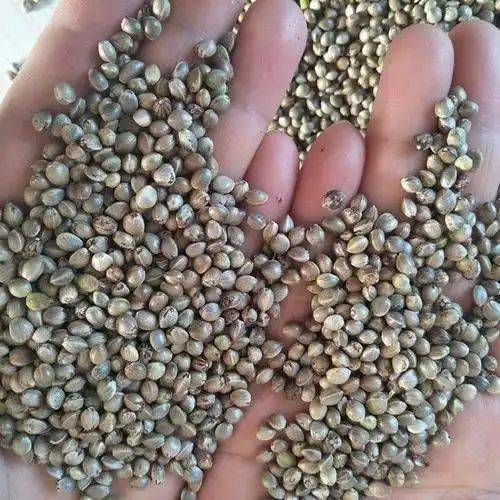
High-oil-acid peanut technology
High-oil-acid peanuts, an agricultural product that is highly visible in the market, are often priced by many details。
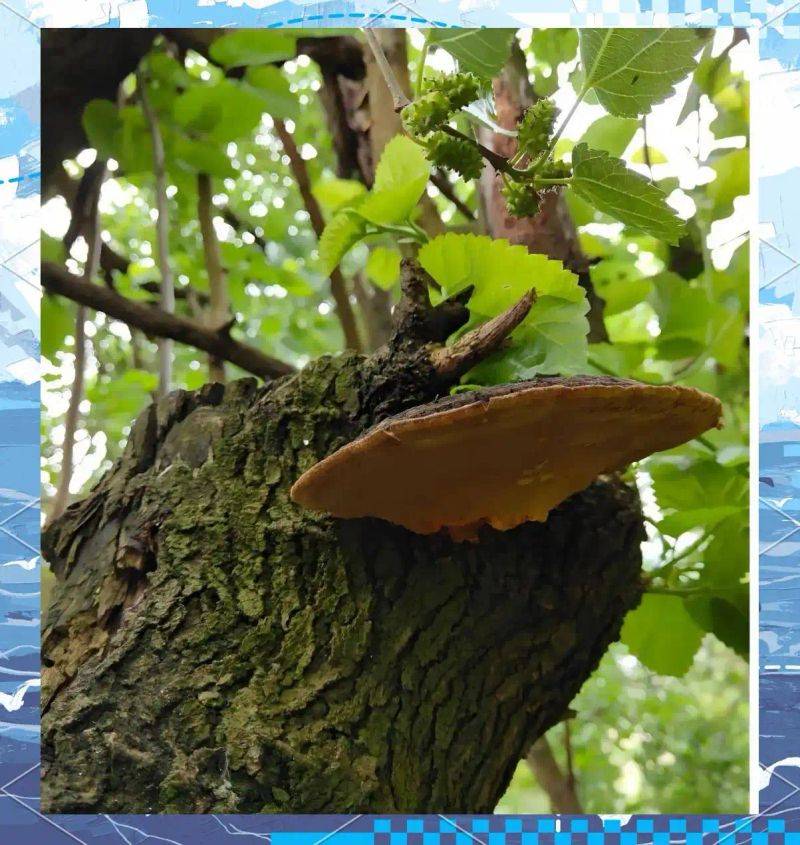
Core elements of the high-oil-acid peanut technology: protection of seedlings with clothing, precise fertilization, high-level management of plants and fine harvests to increase purchase prices。
Seed treatment: seed coatings using aphids and aphrodisiac are used to effectively prevent underground pests。
2. Scientific fertilization: 15 kg of potassium fertilizer per acre, while ammonium molyte is sprayed during the expansion period to promote peanut growth。
3. Growth regulation: when the peanut plant is 35 cm high, 5% of the americium is sprayed to prevent invertation。
4 fine harvests: scalding the sun according to the size of berries, thereby improving the quality and marketing rate of commodities。

A sweet-leave-breathing strategy
In the face of fluctuations in the purchase price of sweet leaves, we can respond with a range of crop optimization measures。
The core elements of the strategy for the cultivation of sweet pyrethroids are the improvement of cultivation through seedlings, rational fertilization and precision harvesting, and the conclusion of price-insurance contracts with enterprises to cope with price fluctuations。
1- cultivation techniques: select a strong branch and retain three leaves, followed by a lighter rooting with a root agent to promote growth。
Rational fertilization strategy: before planting, decomposition of sheep dung is used as base manure, using approximately 2000 kg per acre. During growth, the demand for potassium nitrogen phosphorus at a ratio of 2:1:2。
3. Precise timing of harvest: opt for harvesting in the middle of the sun and with dry dew, while retaining two to three pairs of functional leaves to ensure the quality of sweet leaves。
4. Processing and market response: fresh leaves need to be bungled and dried in time to keep water content below 7 per cent to meet market demand。
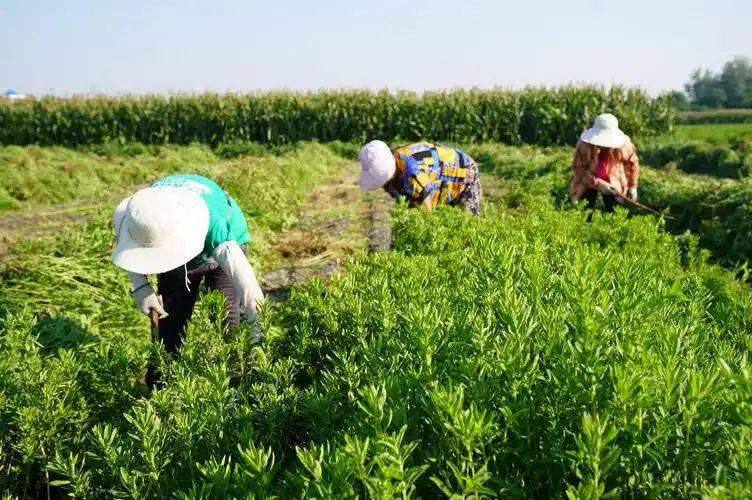
Cultivation of the salsa
Following a standardized process, salivosis is being cultivated in an orderly manner。
Core elements of salivosis wood cultivation: part wood cultivation based on tree selection, sterile vaccination, strict temperature moisture management and pest control。
1. Selection of tree species: elm trees and logs are preferred and their diameter should be within 12-15 cm。
High pressure sterilization: 2 hours after high pressure sterilization, vaccination can be carried out in a sterile environment。
3. Strict control of temperature: during the fungic management phase, the temperature is to be strictly controlled at 25 °c ± 2 °c and the humidity is to be maintained at 60-70 % and the luminous culture is to be ensured。
Frozen mushroom management: bags of fungus, exposure to dispersible light and ventilation three times a day to ensure healthy growth of salvex。
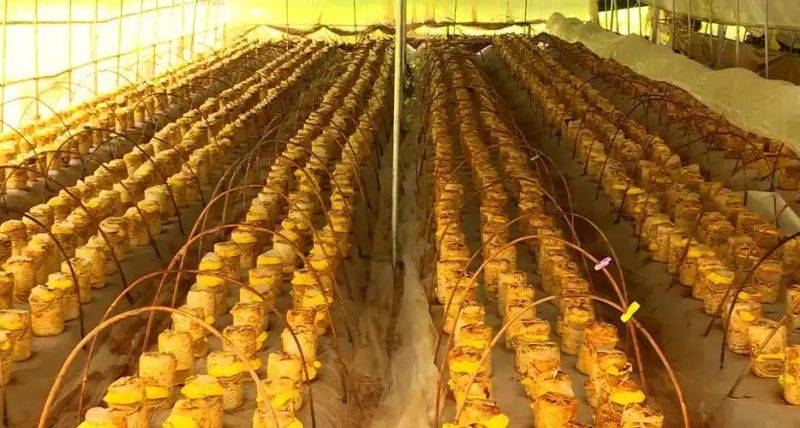
Conclusion
The benefits of standardized cultivation are at the core: the introduction of standardized process planting techniques will increase farmers ' incomes by 42 per cent, and the state will invest $5 billion to promote intelligent agricultural development。
According to the latest statistics of the ministry of agriculture and rural development, the average increase for farmers using standardized farming techniques is 42 per cent. In 2025, the national plan invested $5 billion to promote the development of intelligent agriculture and advocated the adoption of a “business-cooperative-farmer” synergistic model。