A friend asked if he could grow now. The area under cultivation is small, it is easy to grow small areas, and it is easy to plant both the tubers and the leaves。
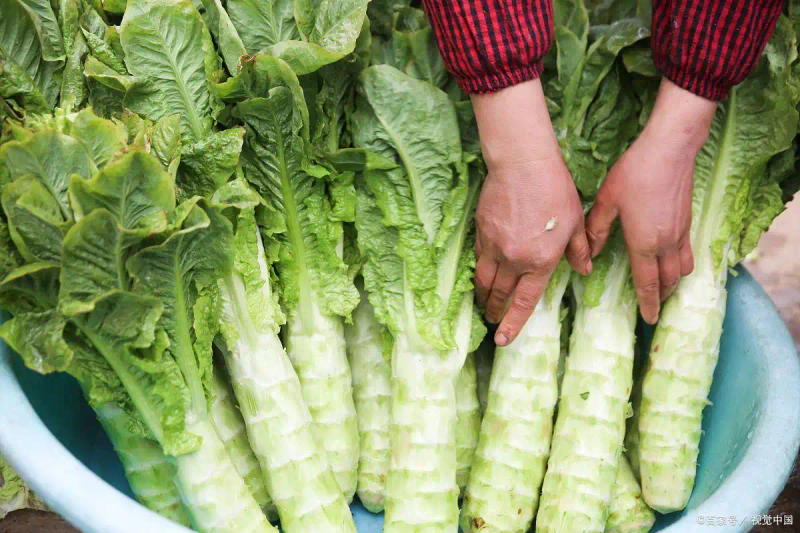
As you can see, the leaves and the gravy are similar to the raw and rheumatoids and are similar in their growth and cultivation. They eat mainly meat, their mouths are soft, they mix, they make soup, they cook, and they smell silk sweet。
Although the area under cultivation is small, it is widely distributed and available in both the north and the south. It's easy to plant, but when you grow, you have to grasp the key, like when you grow, how you grow, how you water it, how you fatten it。
I. Environmental requirements for growth and planting time
Before growing unfamiliar vegetables, it is necessary to understand the growth characteristics and environmental requirements, and then to determine the timing and number of plantings according to the local climate。
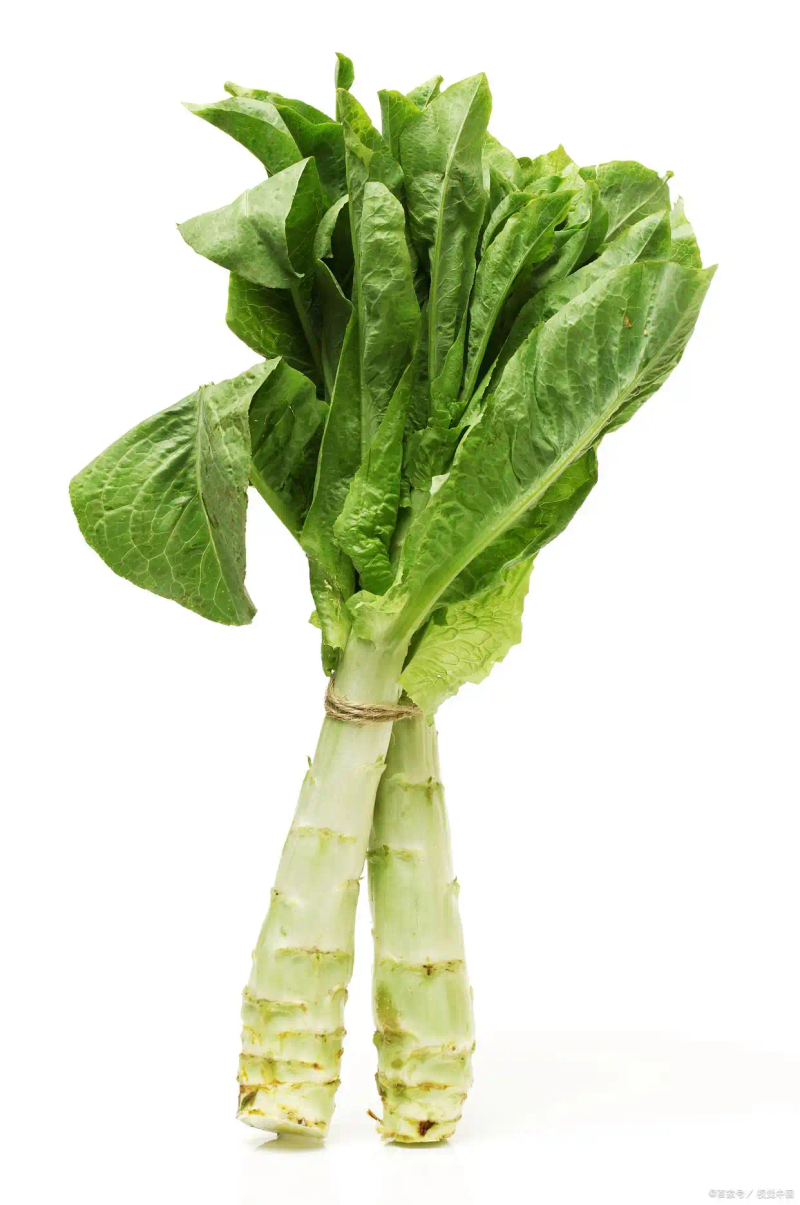
Plum is a cold vegetable, but it's cold without raw vegetables. It grows at a suitable temperature of 15 - 20°c, and the seed sprouts at a temperature of 15 - 20°c, which is 11 - 20°c for the growth of the meat stem, and is more conducive to the expansion of the tuber at night. It is water-intensive and drought-resistant, but it is long and dry with small and poor mouths; it is thin, but it grows better in fertile areas; it is less demanding for light, and it is stronger when the light is full。
It's a place to grow. The planting time in the kyozu region is as follows:
The field is growing in spring and autumn. Seeding in mid-april, seedling in early may, harvest in early june, planting in late autumn, planting in mid-august, harvest in mid-september。
The plastic shed was planted early and late in the autumn. Spring seeded mid-march, early may, late autumn, late august, mid-october。
The solar greenhouses can grow winter springs and meet early spring market demands, but are costly and low-yielding, depending on market conditions。
Ii. Cultivation patterns
Large, low-density, small but fast-growing plants are now being grown by many, with little direct seeding。
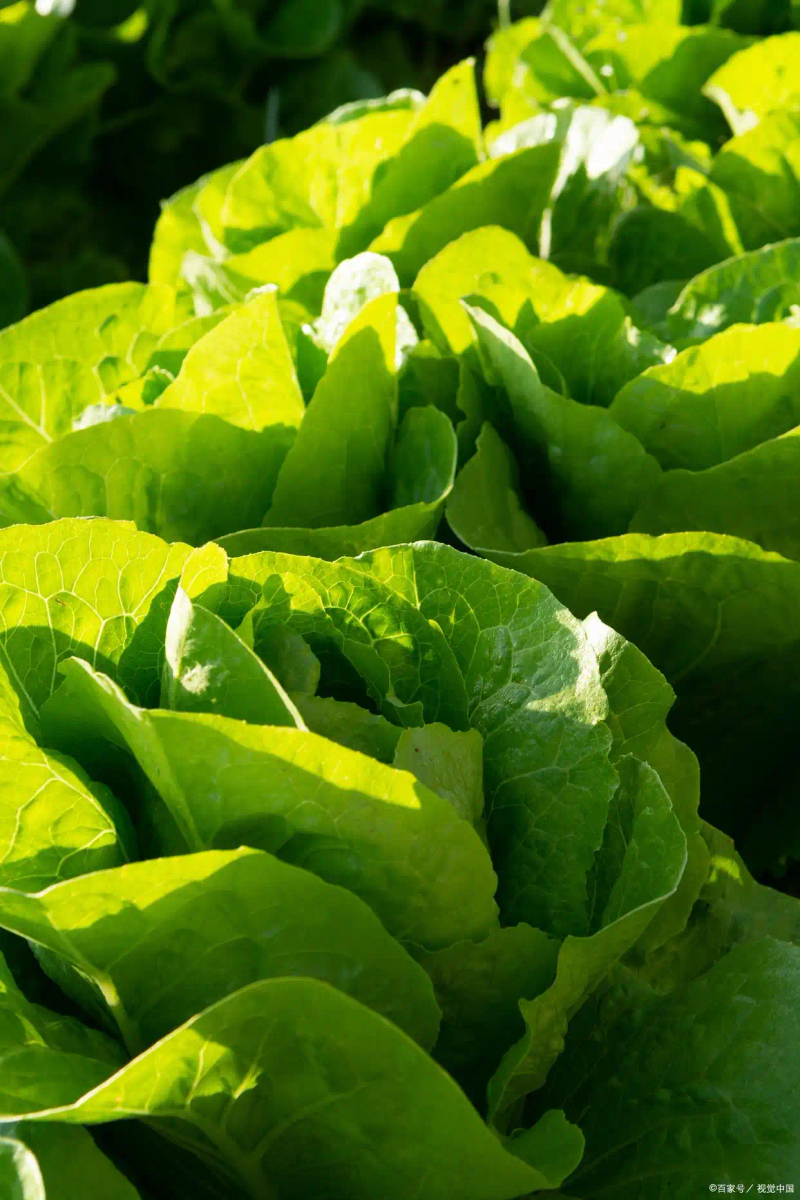
It's easy to grow. It's easier to grow. With 128 pore-breeding trays, ploughing vegetables to feed the soil, crushing seed holes, placing 1 seed per hole, watering the soil, covering the upper membrane, keeping an eye on it and removing it as soon as it comes out. After 30 or 40 days, five or six real leaves can be moved to the fields。
At the time of planting, the floor is then covered with extra organic fertilizer, with 1,000 kg of decomposition and quality organic fertilizer per acre, 50 kg of compound fat, 50 kg of calcium phosphate and 1 kg of boron fat. The ground is flat and flat. 40 cm, 30 cm, watered, run alive。
Iii. Fertilization and management of water use
Day-to-day management is not a problem, mainly with water fertilization, pine soil weeding and pest control。
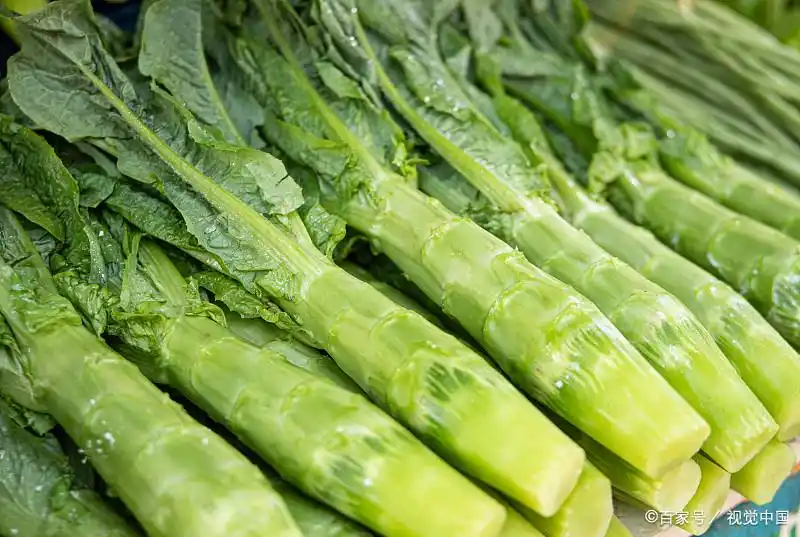
Irritating thin water, applying pure nitrogen fattening, using 5 kg of urea per acre, so that leaves grow up, laying the foundations for the expansion of the meat stem. Lean leaves are grown with proper management of the water seedlings before they grow。
The lichen leaves grow and catch fat for the second time, adding potassium fat, and apply 15 kg of potassium phosphorus compound fat per acre, so that the tuber can grow and taste better. 30 cm high time-sprayed porcelain, staggered, empty. A week or 10 days from now, it is decided that the third fertilisation will be determined and, if followed, the percentage of potassium fertilizer will be increased by 3 - 4 kg of urea and 6 - 7 kg of potassium sulphate per acre。
You don't have to water it all the time. After planting, water is passed through, seeded slowly, fattening is followed, leaves grow, fattening is followed, the day is particularly dry, one or ten days later, and the day before the harvest is stopped. Watch out for the leaves and the outer leaves。