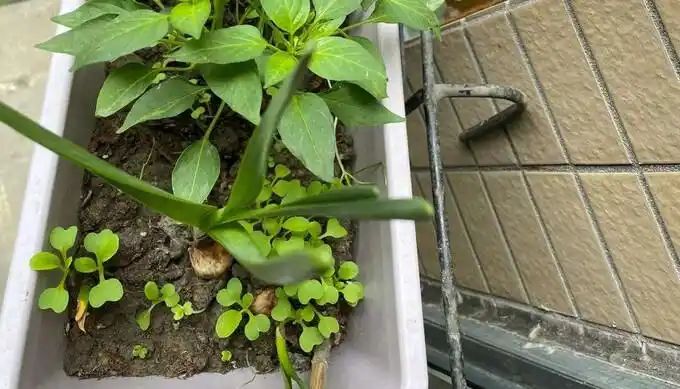
1. Cultivation: preparation of seedbeds, seed pre-plant leaching seedlings and 80 per cent of seed seedings. During the nursery period, one-two times, two weeks after the seeding and one time before the planting。
2. Plantation: a combination of cropping and the application of base fattening, followed by a 25 to 30-day displacement of plants at a distance of 33 x 33 cm, with the planting followed by the watering of the roots。
3. Management: enhance management of water fertilizers, with short-nutrient sprayed once 20 days and 35 days after planting. Weeding is done in a timely manner, and no more tillage is done after closure。
I. Elements for the technology of transfer
1 child breeding
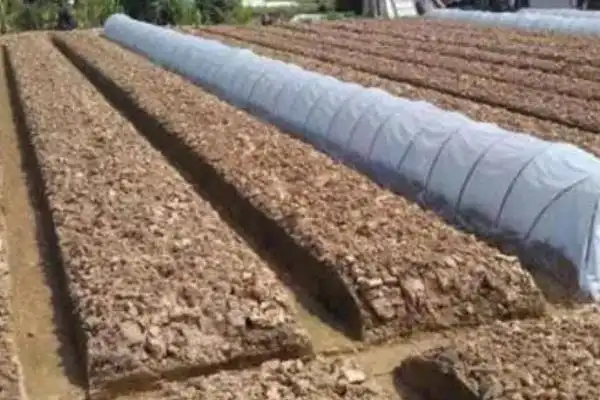
(1) treatment of seedbeds
1 slender beds require soil to be fertile, ventilated and high。
2 per square metre of seedbed soil applied 4-5kg decomposition, 50g ammonium carbon and 40-50g potassium dihydrohydrophosphate。
(2) treatment of seeds
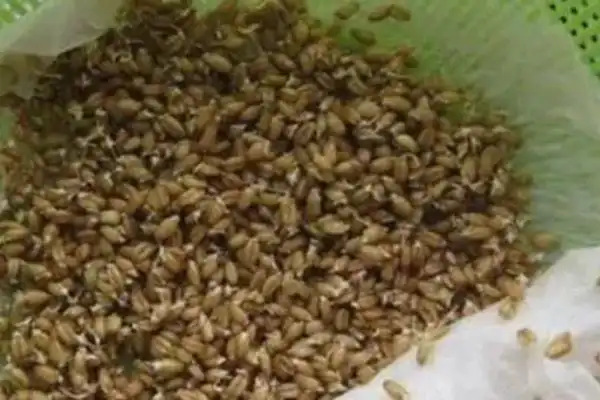
Before seeding, seeds are immersed in water for about four hours, leached and then sprung 3-4 days in a gauze packaged at 15-20°c, with 80 per cent of the seeds to sow when they are exposed。
As a rule, seedlings on an acre will need only 50-70g seeds。
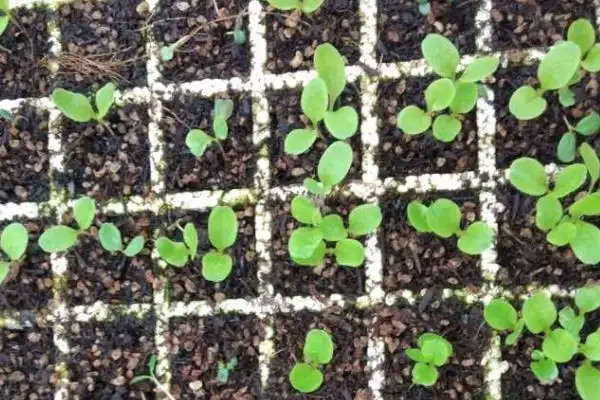
During the birth of a child, one or two suitable breaks can be made。
About 14 days after seeding and before planting, spray can be avoided by using a 1000 times more than 15% irradiable powder。
2. Plantation
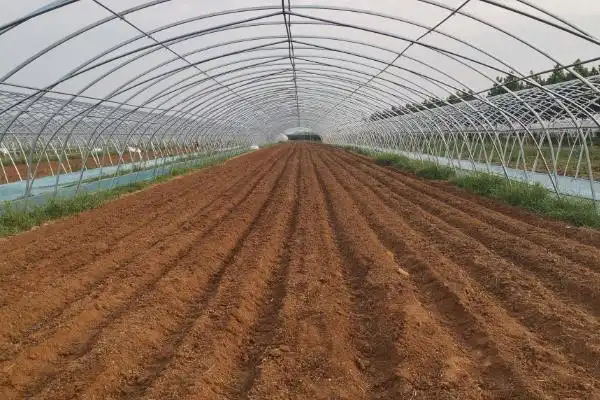
(1) land cleaning
Plantation 1 requires good irrigation and drainage performance, soil estrangement and fertility, strong water fertility protection and microacidity。
2 2500-3000 kg of decomposition chromosomes per acre and 50 kg of compound fat。
3 fertilizer trunks, 15 cm deep and 1. 2-1. 6 m wide。
(2) deplantation
One can be replanted about 25-30 days after the seedlings are born。
At the time of planting, the range of the plant was contained at about 33 x 33 cm, with approximately 5,000 seedlings per acre。
A 3-planted plant is usually carried out in the dark or in the evening. I'll plant it and water it。
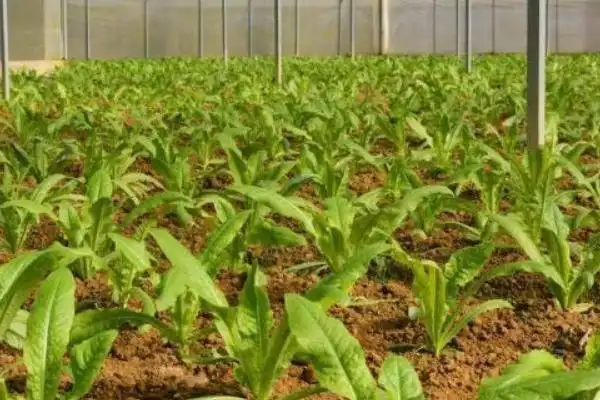
Management
(1) fertilizers
1 once established to live, a thin dung water is imposed。
During the 2-legged period, 20-25-kg compound fertilizer was applied per acre, or 8-10-kg urea。
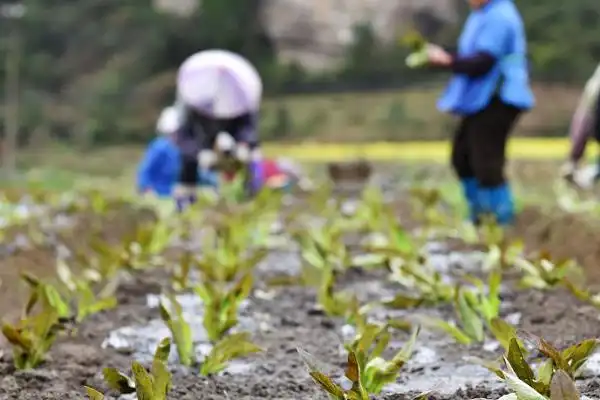
At 3 to 30 cm, 10 kg of urea per acre was pursued。
At the beginning of the expansion of the femur, 35 kg of ammonium carbon, or 15 kg of urea, was seized per acre, while 0. 3% of the potassium phosphate solution was sprayed on the leaves。
The use of nitrogen fertilizer is strictly prohibited。
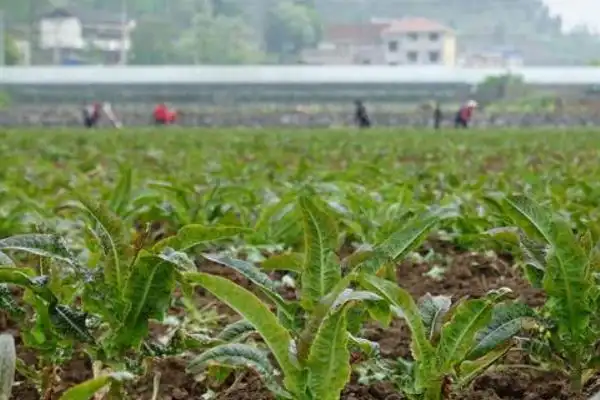
(2) other
One application of 350 ppm of condensant, 20 days after planting and 35 days after planting。
Cropping should take place prior to the application of fertilizing water, and should not occur after the closure。
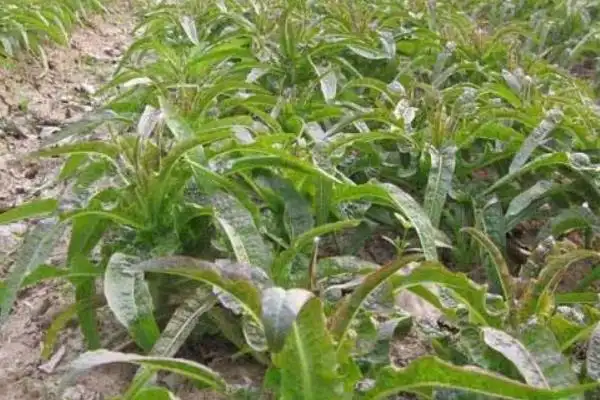
Ii. How to combat frosting
The fight against arsenic should be based on agricultural management measures supported by the necessary medications。
1. Selection of disease resistant species
It is common for roots to carry purple red or dark green varieties that are more resistant to disease, such as red skins, pointy leaves, blue leaves, etc。
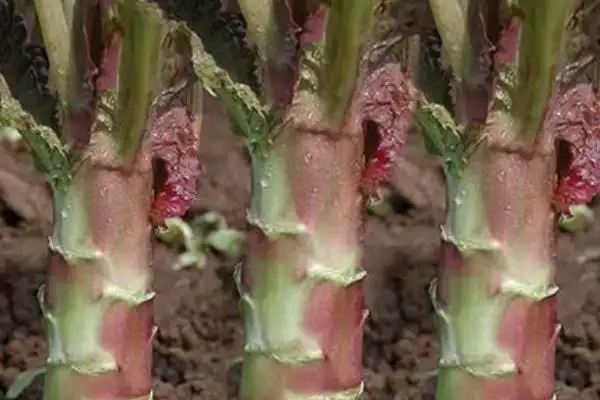
2. Strengthening cultivation management
Cleaning and tanning of gardens, raising of the face to allow drainage, proper thinning, less water irrigation, prohibition of flooding, timely drainage after rain and protection of leaks in the rain; after harvest and before planting, thorough and well-regulated strains of disease are treated, and the next leaves of disease are treated in a timely manner at the beginning of the onset of the disease; and fermentation must pass through high temperatures with appropriate increases in phosphorus fattening。
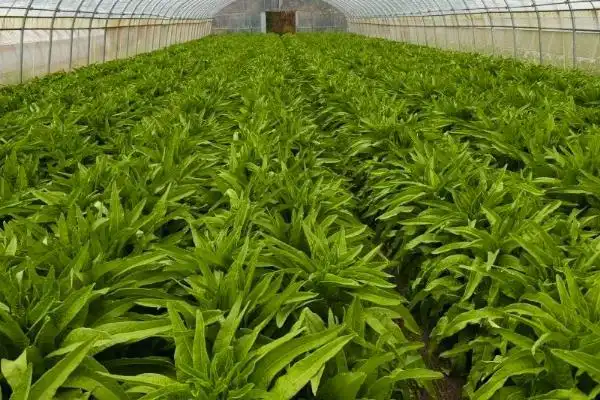
3. Spray control
In the early stages of the onset of the disease, the following drugs can be selected for treatment:
(1) 70 per cent of propzenze (trade name: antxian) wettable powder 400-600 times more liquid。
(2) 68. 75% fluorinated fungus? Froscilware (trade name: silver fluorine) suspension 1000 times more liquid。
(3) 60% manganese zinc? Fluorinated powder 600 times more liquid。
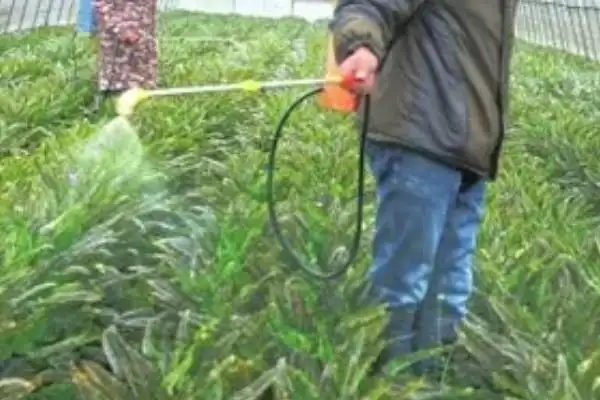
(4) 50% fluorine? Aluminium aluminum (trade name: pounce) wettable powder 600 times liquid。
(5) 75% baccalaureas clean humid powder 500-600 times liquid。
Each of the above-mentioned agents is selected, with one spray spread over a period of 7 to 10 days and two to three successive sprayings, and the pesticide is selected in combination with actual alternate use。
# 100% with goods #