Spring green is just the time. As the main battlefield for combating desertification and the main line of defence against sand and dust storms in our country, the inner mongolia is tasked with 60 per cent of the tasks of the six-phase sanded land management of the national three north project. Over the past few days, afforestation has been carried out in various parts of the country, promoting large-scale land greening。
Technology for sand management
Implementation of air transport equipment
At the site of the ugly salmonin joint control project, 50,000 acres of ostok flag in the city of ordos, operators operated two drones with salves hanging along the pre-established route. Upon arrival in the designated area, and with the cooperation of the staff, the salsa will be dropped quickly。
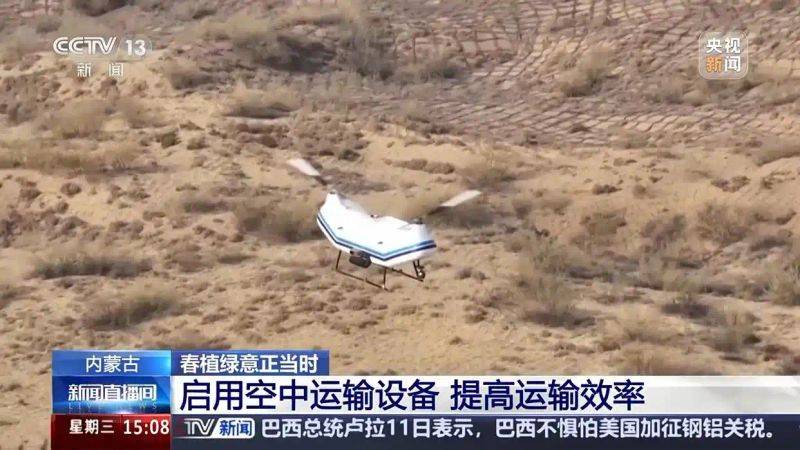
The large-fueled drone hangs on straw, flying 10 kilometres away to the target area of sand, and is fine enough to drop grass. The use of these air transport equipment has not only effectively addressed the challenges of transportation at the sand site, but has also improved transport efficiency。
Robots plus growing cars
At the sand treatment site, unmanned tree-planting robots and semi-autonomous planting vehicles became “solvers”。
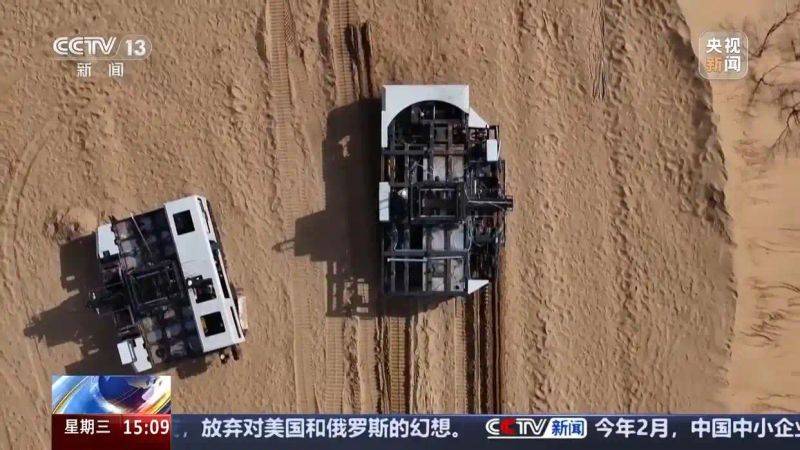
Unmanned tree robots walk in the sand with a fine one-metre-long stellar branch. The mission of salivating an acre of land was successfully completed in just 19 minutes, when the ditches, seedlings and earth cover were edified。
Coincidence to use degradable containers to increase the survival rate of seedlings
Salmons and lemons have many characteristics such as high growth, adaptability and drought resistance. In order to further improve the survival of seedlings, local techniques for degradable container planting have been applied with mechanized seedlings, which can thrive in the sand even if they do not rain for three months。
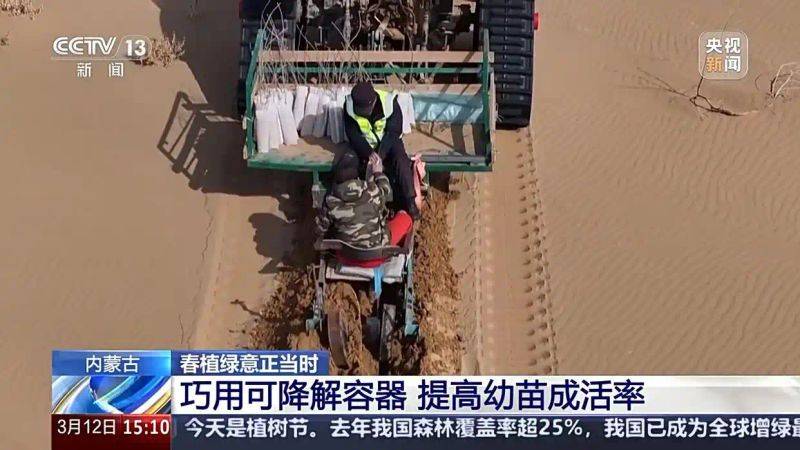
At the planting site, the staff plant the seedlings of the willow and lemon strips into a degradable swirl-free nursery bag, where the water-conserving agent is allocated in scientific proportions and the root powder is mixed into the soil. Water-pumping agents are like sponges that inflate in the rain and slowly release water during drought, providing a continuous water supply for seedlings, while rooting powder stimulates the rapid rooting of seedlings, so that they can take root more firmly in the sand。
"integration of the sky" monitors every inch of the land
In combating desertification, monitoring and assessment is an important element in ensuring the success of the project。

In order to better assess the effectiveness of governance, the forest and grass sector in the city of ordos has introduced the “integration of the sky” monitoring system. On staff handheld computers, satellite imagery, drone monitoring data and real-time ground location are visible. Through these data, staff are able to fine-tune sand management strategies, optimize planting patterns and ensure the most effective governance in every inch of sand。
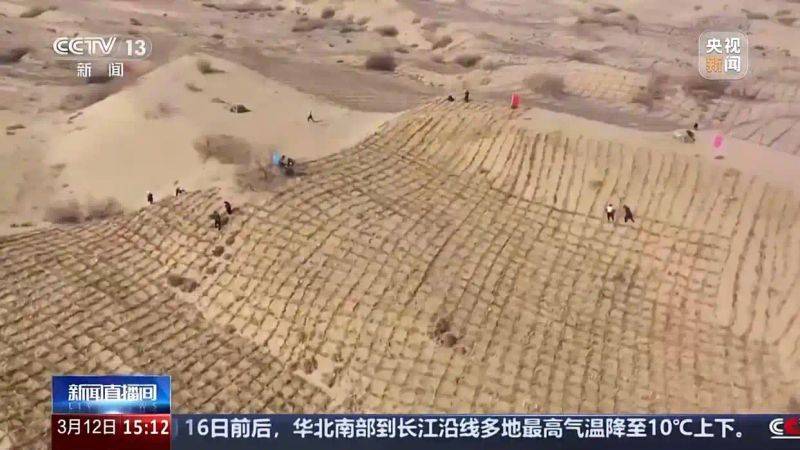
Journalists were informed by the forestry and grassland bureau of the autonomous region of inner mongolia that, in 2024, the country had completed the combat against sand and sand with an ecologically enabling science and technology, with a total of over 43 million compulsory trees. Over 20 million acres are expected to be completed this year。
The sand will grow in the countryside
How can the salhouettes play an important role in combating sand and desertification, as native species
If you want to grow up, you'll have to do it in 3 to 5 years
In the city of ordos, in the interior of the mausuza, in the city of ordos, sumi toumu, pastoralists are now operating a number of equipment, such as a salushi cutlery, transport vehicles, travelling through the salushi bushes and carrying out the salusha in an intense and orderly manner。
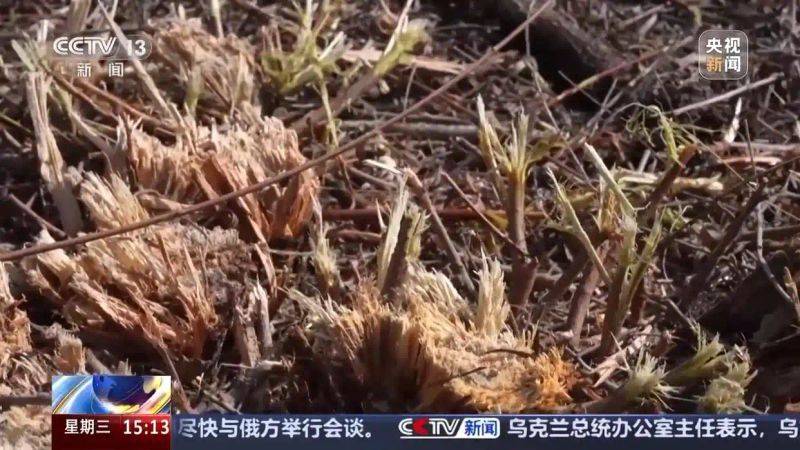
Flatfall is an agro-forest management measure that removes or cuts all parts of the land of plants from near the ground, similar to the “recution”. The aim is to stimulate the re-emergence of new branches from the roots or roots of plants and to promote their renewal and increased longevity。
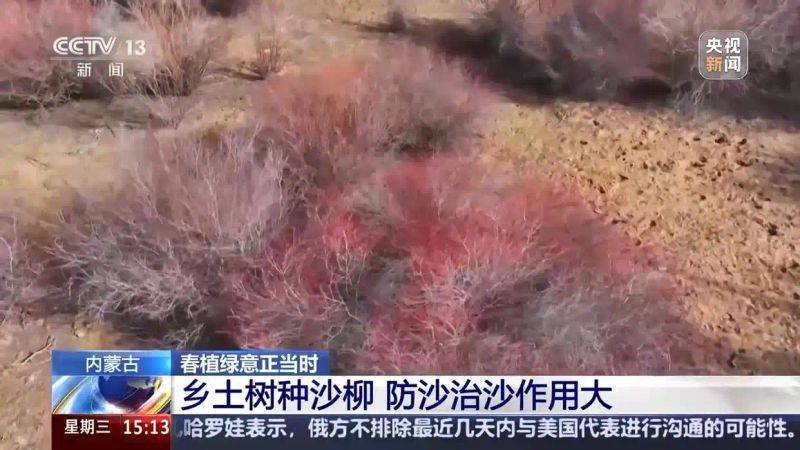
The sand willow is a drought-resistant, lively and sand-resistant shrub, commonly found in the north-west desert of my country and an important sand-fixing plant. Its roots are well developed, and its flatness allows for the rapid emergence of new branches from its roots and faster growth than the growth of unpaved plants. If it does not do so regularly, the saloons will grow slowly, gradually age and even die, the branches of ageing will be broken and the capacity to fix sand will decline. In areas such as the maususha land, flat management is a key technology for the sustainable operation of saloon plantations and is of great importance for combating desertification。
The silhouettes re-use the sand barrier to cure the sand
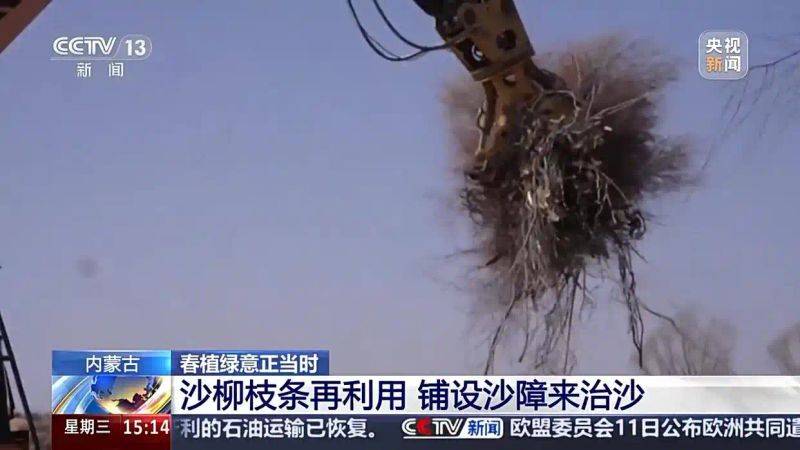
In order to maximize the ecological function of the sand twigs, local materials are collected locally to reduce the costs of sand management. The stifling of the sand willow branches, which are scientifically transported, is used in close proximity to the sand barrier or to the sand, both as a sand control material and as an economic resource。
The land area of desertification in inner mongolia, which covers 889 million acres, is one of the most concentrated and hazardous provinces in the country. It has been tasked with 60 per cent of the country's six-phase sanded land management. In recent years, various parts of inner mongolia have promoted the policy of “food for work” in the context of sand control projects, bringing in low-income people to work in close proximity and promoting the employment of local farmers and pastoralists。
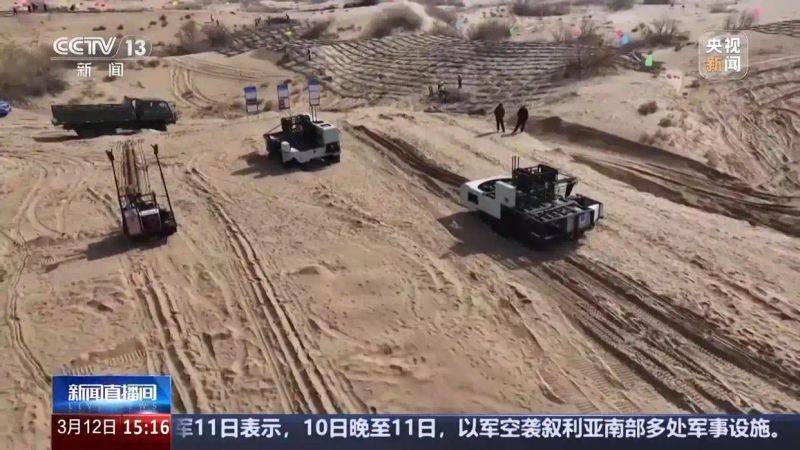
Currently, the total area of seedlings in inner mongolia amounts to 390,000 acres, and the total number of trees needed for the three north project amounts to 2. 1 billion。