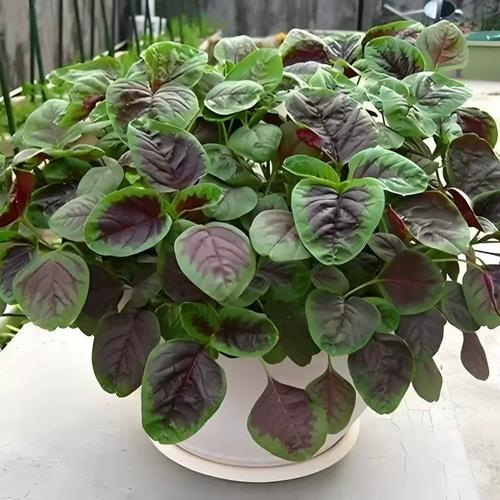
A little red cultivation method, a little red power and effectNchifolia(l.) dc., other (academic) names of sheep and hoof, red backs, reds, red backs, etc., a little chrysanthemum is a year- or years-old grass, mainly in our country's south, central and south-west territories. It's a bit of red chinese medicine that tastes cold, it has thermal detoxification, it has an active blood-smuggling effect. Cyclable diarrhea, acute enteritis, urinary infections, larynitis, swollen pain, scabies, etc. 1. A little red on the ground is not strictly required for its growing soil, and it is better to plant loose, slightly fertile land. Although relatively resistant to infertile conditions, it would be desirable to apply sufficient base fattening, with 667 square metres of decomposed organic fertilized manure 1500-2000kg, to be a large, 1. 5 m (garbage) high lumber, with attention to flattening. Seed reproduction is generally used for a little red. Due to its relatively small size, seed individuals can be mixed with fine sand and sow in windless weather. In spring and summer, seedlings are planted with fully decomposed organic fertilizers (1,500-2000kg per 667 square metres) in their beds. During nursery periods, care is taken to get plenty of water and to keep their beds wet. Covering the sunnets helps to keep them wet. Shrimp periods are appropriately followed up with fertilizers depending on growth. When the seedlings are planted, the leaves range 3-5. 3. Plantation of 15-20 cm x 20 cm and flow of water. Live 2-3 saplings with the same spacing as those planted. 4. The proper pursuit of fertilizers during field management growth and the application of consumable organic fertilizers, while paying attention to increasing the amount of water and keeping the fields humid, can improve yields and quality. One fat catch per harvest, 5-10 kg urea per 667 square metres, water showers to promote new occurrences and increase production. 5. The pick-up of vegetables may be made in the form of a five-to-six leaf in due course, leaving sprouts in the base armpits and new beaks in the form of four-to-five leaves. Timely harvesting increases production, over-age harvesting, increased fibres and lower quality. In guangdong, growing throughout the year, the market continues to pick up fresh ground, with 667 square metres producing 1,500-2500 kg。