


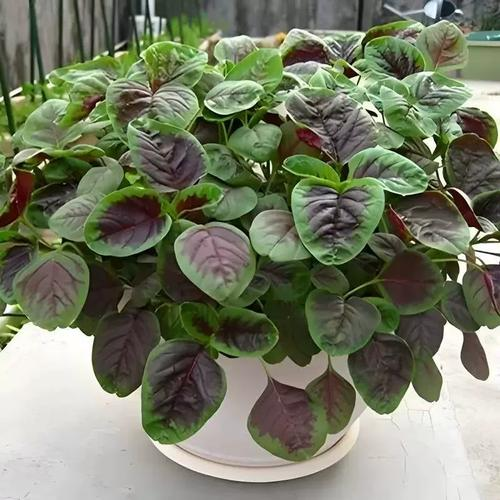
A little red emiliasoNchifolia(l.) dc., other (academic) names of sheep and hoof, red backs, reds, red backs, etc., a little chrysanthemum is a year- or years-old grass, mainly in our country's south, central and south-west territories. It's a bit of red chinese medicine that tastes cold, it has thermal detoxification, it has an active blood-smuggling effect. Cyclable diarrhea, acute enteritis, urinary infections, larynitis, swollen pain, scabies, etc。
And a little red picks for food, and then boils the water, and is roasted with garlic, and makes soup. Tastes soft, sweet。
I. Characterization
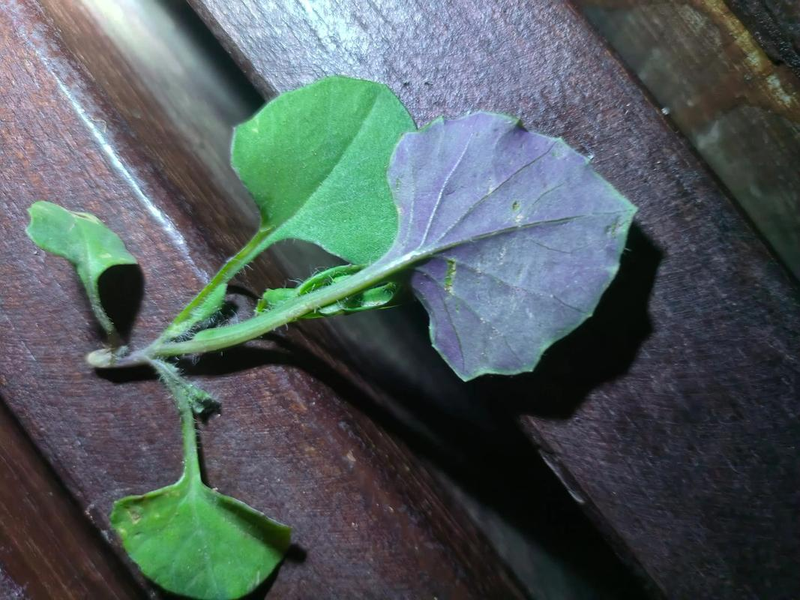
A little red is usually 10-40cm tall. The roots are shallow, the sides are more. They are standing up or near, bald or defunct, pink and green, and they have many branches. Single leaf, slightly fleshy, born in the ovary shape of the lower leaf, ceremonial split or sawn teeth, 5-10 cm long; small upper leaf, all-rounded, unwieldy, capped, green on the leaves and blue on the backs. Heading, with a long handle, usually 2-3 branches, total green, cylindrical, purple. The fruit is thin, narrow rectangular, elastic, white crown hair. Seeds are small, pin-shaped, light brown, with vertical stripes on the surface. A little red-hot feature is warmer in a cool, wet environment. Born of shade and dampness, but more resistant to drought and infertile to the dry slopes。
Ii. A few elements of a red culture technique
1. Fertilizing the whole area
A little red is less stringent for their growing soil, and it is better to plant loosely and slightly fertile land. Although relatively resistant to infertile conditions, it would be desirable to apply sufficient base fattening, with 667 square metres of decomposed organic fertilized manure 1500-2000kg, to be a large, 1. 5 m (garbage) high lumber, with attention to flattening。
Two, a little red
A little red normally uses seed breeding. Due to its relatively small size, seed individuals can be mixed with fine sand and sow in windless weather. In spring and summer, seedlings are planted with fully decomposed organic fertilizers (1,500-2000kg per 667 square metres) in their beds. During nursery periods, care is taken to get plenty of water and to keep their beds wet. Covering the sunnets helps to keep them wet. Shrimp periods are appropriately followed up with fertilizers depending on growth. When the seedlings are planted, the leaves range 3-5。
Three
The plant is set at a range of 15-20 cm x 20 cm and takes the root water. Live 2-3 saplings with the same spacing as those planted。
4. Field management
Properly followed up during growth, fertilizer can be used for consumable organic fertilizers, while attention is paid to improving the production and quality of water by enhancing water showers and keeping the fields wet. One fat catch per harvest, 5-10 kg urea per 667 square metres, water showers to promote new occurrences and increase production。
5. Collection in due time
Precipice can be picked from the 5-6 leaf, leaving the base abdomen sprouts from the pick, and the new 4-5 leaf from the top. Timely harvesting increases production, over-age harvesting, increased fibres and lower quality. In guangdong, growing throughout the year, the market continues to pick up fresh ground, with 667 square metres producing 1,500-2500 kg。



