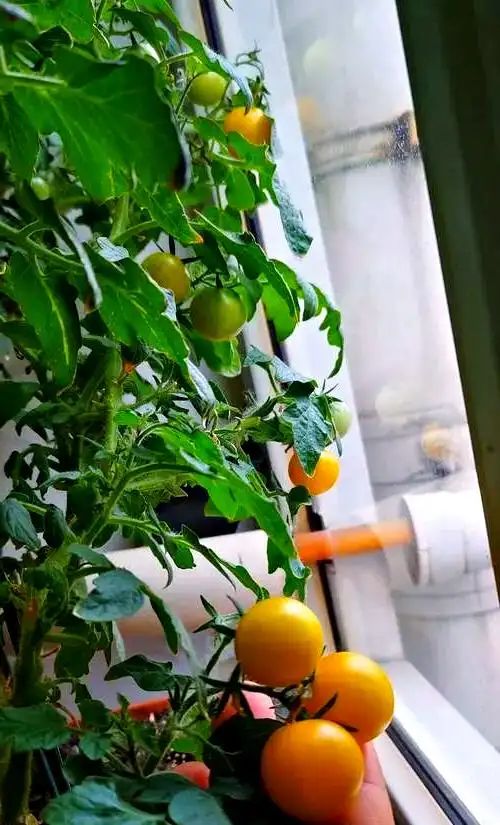
On that living land, tomatoes are like a little red lantern carrying the hopes and joy of farmers. As a farmer with extensive experience in the field of agriculture, i am well aware of the importance of tomato-growing methods and techniques to reap fruitful fruits. Today i share these valuable experiences with a view to helping more people grow delicious tomatoes。
I. Selection of varieties
The variety of tomatoes is numerous, and local climatic conditions, soil conditions and market needs need to be taken into account when selecting varieties. If you live in warm areas, you can choose heat-resistant varieties; in cold areas, you should choose cold-resistant varieties. In addition, the use of tomatoes for fresh food, processing or marketing needs to be considered。
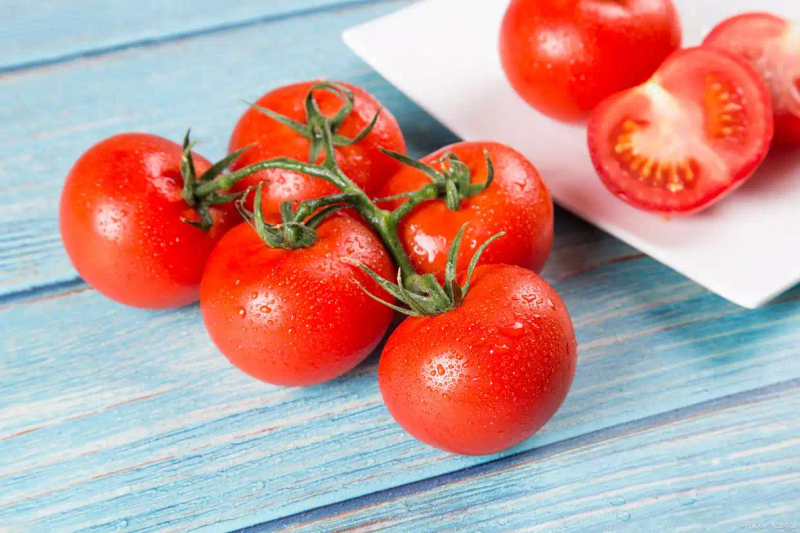
For family farming, a variety of tastes, medium-sized fruits, such as sanctuaries, cherry tomatoes, etc. Can be selected. For large-scale farmers, high-yielding and high-quality varieties need to be selected according to market demand。
Soil preparation
Location
Tomato likes a place where there's plenty of sunlight and good drainage. Therefore, when selecting planting sites, it is important to ensure sufficient sunlight and soil does not accumulate water. In the case of planting in a flower pot, the option is to place it in a sun-rich place such as a balcony or yard。
Soil improvement
Tomatoes have a higher demand for soil and prefer fertile, defusing and ventilated soils. Soil can be improved before planting. First, the soil is reploughed at a depth of about 20-30 cm to increase its aerobicity. Appropriate amounts of organic fertilizer, such as rotting chicken dung, cow dung, etc., are then added to improve soil fertility. In addition, some sand or pearl rock could be added to improve soil drainage。
Iii. Cultivation
Seed time
The planting time of tomatoes varies according to region and climate. In general, seeding can take place when spring temperatures are above 15°c. In the case of planting in greenhouses, planting time may be done well in advance。
Seed processing
In order to increase seed growth, seeds can be treated before seeding. Put seeds into warm water for 4-6 hours and then extract the leachate. Seeds are then placed on wet gauze or paper towels, and in warm places for seeding. Seeds can be sowed when white sprouts appear。
Sowing method
The option is either to sow in a nursery or directly in the soil. In the case of seedlings, an appropriate amount of seedling soil is added to the nursery, then the seeds are spread evenly over the seedlings, and a thin seedling layer is covered. In the case of seeding in the soil, small pits are dug in the soil and 2-3 seed seeds are placed in each of the pits, which then cover a layer of soil. After seeding, the soil is kept humid and can be sprayed with pots to avoid heavy water。
Iv. Shrimp management
Temperature control
The temperature is higher for tomatoes. The temperature is to be maintained at 25-30°c before seeding occurs in order to promote seed sprouts. When seedlings are produced, the temperature is properly reduced, and the temperature is kept between 20 and 25°c during the day and between 15 and 18°c at night. If the temperature is too high or too low, it affects the growth and development of tomatoes。
There is a need for adequate light for tomatoes during the period. If planted in greenhouses, the light can be increased by the use of recharge lamps. In the case of outdoor cultivation, ensure that tomatoes receive sufficient sunlight。
Water management
There is less demand for moisture for tomatoes during the shrunk season, but soil moist. Water can be poured in due course, depending on the damp conditions of the soil. Water should be watered in such a way as to avoid heavy flooding and to avoid the creation of soil slabs。
Fertilizer management
Some thin nitrogen fertilizers can be applied appropriately to promote the growth of seedlings during the tomato season. Be careful not to be too high in fertilization to burn the seedlings。
V. Mobilization
Time of planting
When tomatoes grow to 10-15 centimetres high and have four to five real leaves, they can be replanted。
Replanting methods
First, pits are established at the planting site, the size of which is determined by the root line of the tomato seed. The tomatoes are then removed from the seedlings, gently placed in a defined pit, to help the seedlings, then filled into the soil, with light pressure. After planting, the seedlings will be given water once in order to survive。
Vi. Field management
I'll take the chicken
Tomatoes are chicken plants that need to be set up. Materials such as bamboo poles and wooden sticks can be chosen to build a shelf, leading tomatoes' vines to the shelf to increase ventilation and reduce the incidence of disease and pests。
The whole thing
As tomatoes grow, they grow branches. In order to ensure the growth of the main chicken and the production of the fruits, the whole branch needs to be ploughed in time. In general, either a single or a double branch may be used. The single branch shall be kept only for the main chicken, and the whole branch shall be removed from the side, and the two branches shall be preserved for the main chicken and a side branch, and the other side branches shall be removed from the whole。
Water and fertilizer
Tomatoes require sufficient moisture and nutrients during their growth. In the case of watering, water should be humid, in accordance with the damp and weather conditions of the soil, and the soil should be humid, but not watered. In the case of fertilization, proper fertilization can be carried out in accordance with the growth phase of tomatoes. In the early stages of growth, some nitrogen fertilizers can be applied to promote plant growth, and some phosphate potassium fertilizers can be applied to improve the yield and quality of fruit during flowering。
Pest control
Tomatoes are vulnerable to pests and diseases during their growth. Common pests are dusty, asymptomatic, aphid, red spider, etc. To combat pests and diseases, the following measures can be taken:
(1) strengthen field management, maintain ventilation and timely removal of leaves, fruit and weeds。
(2) biological control methods such as the release of natural enemies, the use of biological pesticides, etc。
(3) the timely use of chemical pesticides for the prevention and control of diseases and pests at an early stage. However, care is taken to select low-toxic, efficient pesticides and use them as required by the instructions。
Harvest and storage
Harvest time
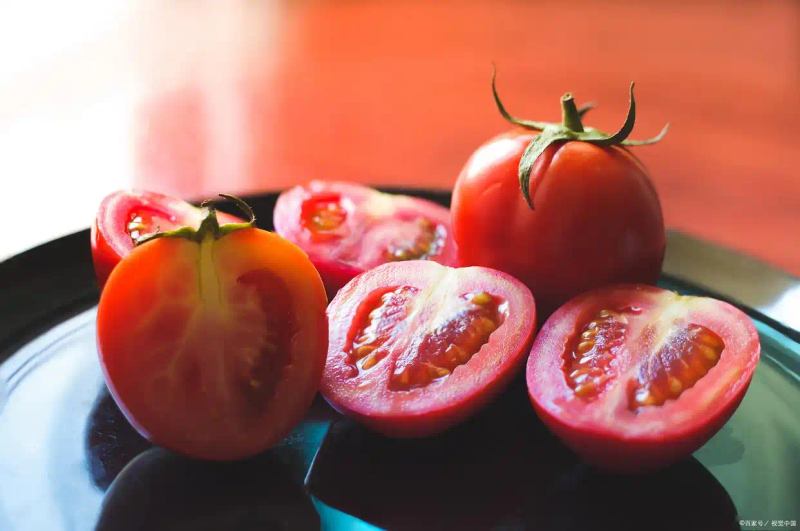
The harvest time for tomatoes varies according to species and uses. Generally, when the fruit colour of tomatoes becomes red and soft, the harvest is possible. If used for fresh food, the harvest can take place when the fruit matures to the point where it matures eight times; if used for processing, the harvest can take place when the fruit is fully mature。
Harvest methods
When you harvest tomatoes, you take it lightly and you avoid damage to the fruit. Scissors can be used to cut the fruit from the handle and not to pull the fruit with your hand in order not to damage the plant。
Storage methods
Post-harvest tomatoes can be stored in cold, ventilated areas. If long storage is required, tomatoes can be placed in the freezer room of the refrigerator, but care is taken not to put them together with other fruits and vegetables in order to avoid interaction。
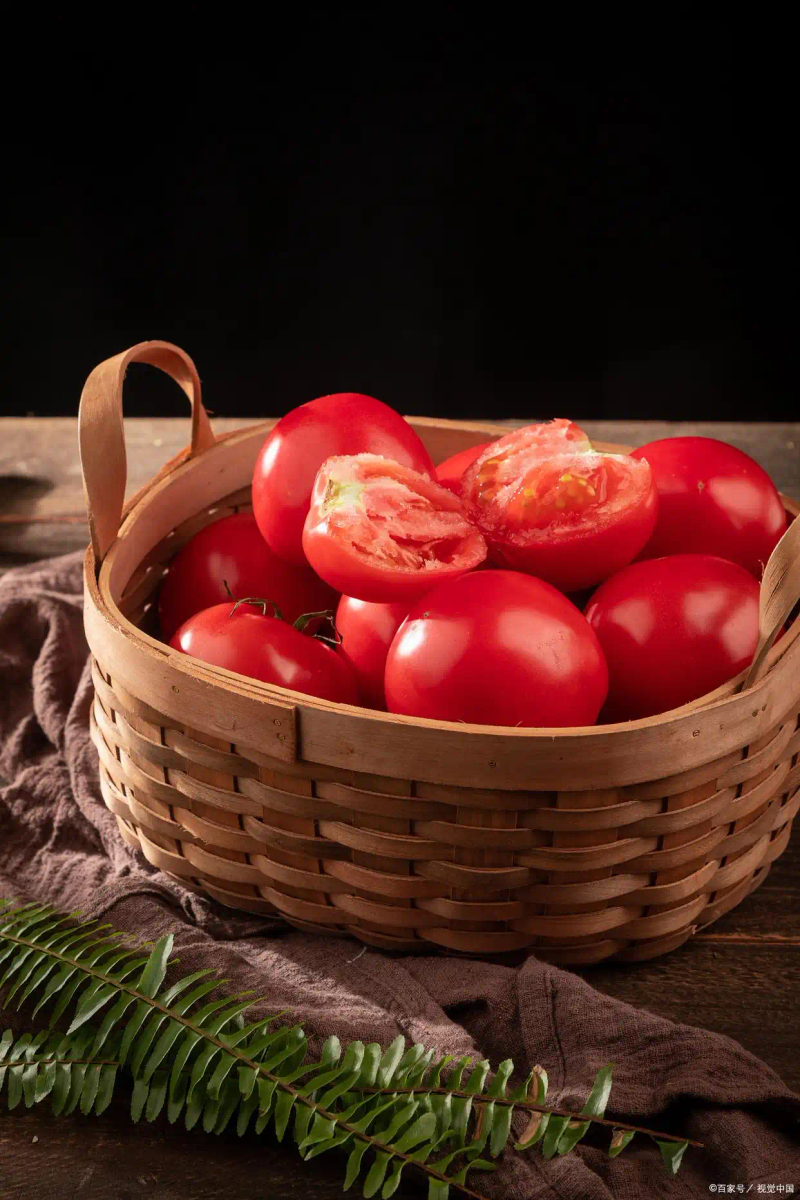
Planting tomatoes is a challenging and fun thing. In this process, we need to work hard and wait patiently to reap the fruit of that red thread. As an experienced grower, i love this land and these lovely tomatoes. Through my sharing, i hope that we will be able to increase awareness of the methods and techniques of tomato cultivation and that together we will grow more hope and beauty on this land。