Friends who love tomatoes, as the weather gets warmer, it's time to grow tomatoes at home. The recent emergence of the blue demons'seeded tomatoes and giant tomatoes has stimulated enthusiasm to share tomato cultivation and management techniques. Let's go on a journey to plant tomatoes. Although this is a little long, patient reading will help you to be free
Choice of tomato varieties, 01
As the weather warms, it is now a good time to start tomato cultivation. But before we start growing, the first question we have to face is: how do we choose the varieties that fit our own? How can we select varieties that are both suitable for their home environment and delicious? Next, we will explore together the answer to this question。
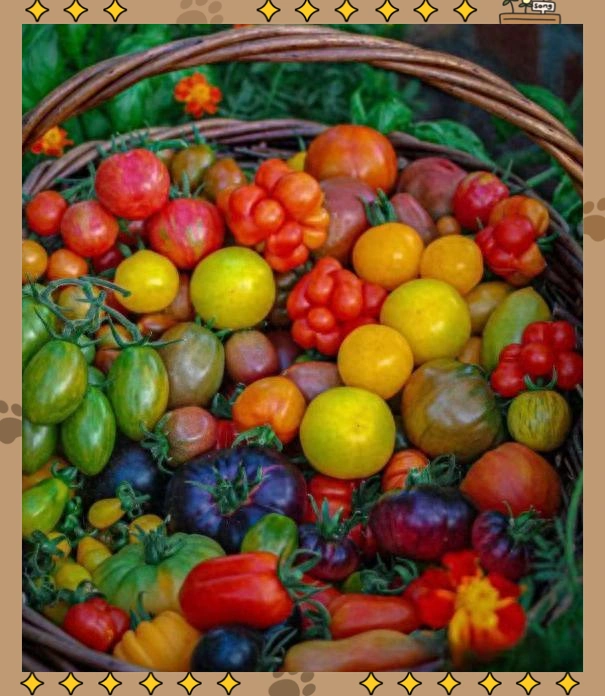
How can you choose for yourself a variety of tomatoes? Indeed, it is easy to make informed choices with two key points。
> 1. Fruit size and selection
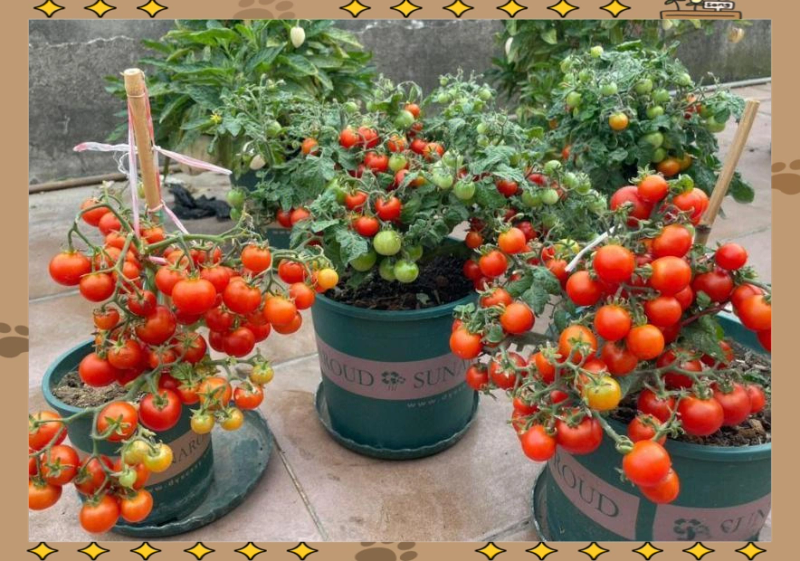
Tomatoes are divided between tomatoes and tomatoes. Tomatoes are often used as vegetables, and although some varieties have a good taste, they are relatively small and, after all, larger. The small tomatoes, on the other hand, are mostly used as fruits, with a large variety of varieties, and some of them are extremely productive. When selecting, you need to identify your own demand for a large tomato or a little tomato, and then refer to a variety or select a fruit with a higher appearance, so that you can achieve both beautiful and delicious harvests。
> 2. Matching of growth conditions
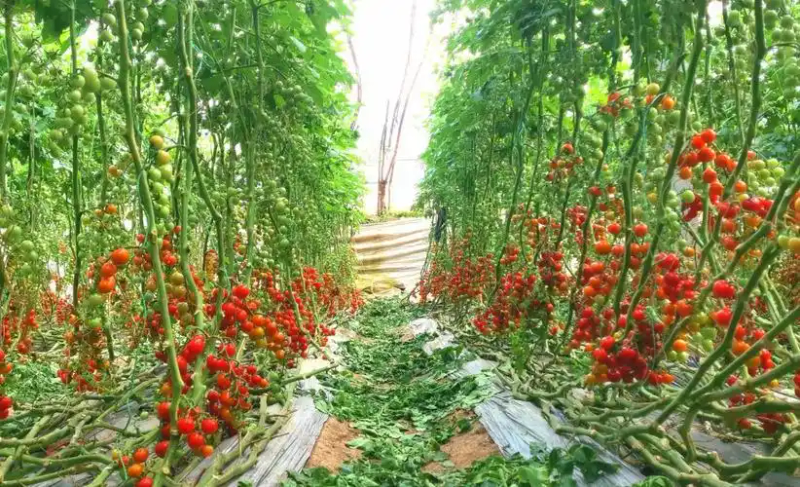
Growing conditions are one of the key factors determining the size of tomato fruit. Different varieties of tomatoes have different requirements for growth conditions, and therefore a detailed understanding of the growth habits of the selected species is needed before planting to ensure that they are provided with an appropriate growth environment. At the same time, rational fertilization, watering and pest control are important components in ensuring that tomatoes grow healthy and produce the desired fruit. Tomatoes can be divided into limited and unlimited growth types. Limited-growing tomatoes, which are dwarfed, cease to grow at a certain height and are well suited for growing in small spaces such as balcony. However, it has a much smaller permafrost than an unlimited-growth tomato. On the other hand, infinity tomatoes can grow and produce continuously, and they can produce consistently as long as conditions permit. As a result, the production of tomatoes of this type is extremely high and the duration of the sheath is very long. Of course, they also need more space to grow. You can choose from your own planting space. If space is limited, short, limited growth tomatoes are the preferred option; if space is abundant, unlimited growth tomatoes are undoubtedly more attractive。
Tomato cultivation techniques
> 1. Drumbing and seeding
The seedling and seeding of tomato seeds are key steps in the process. By mastering the right skills, seed growth rates and the growth quality of seedlings can be improved. We will then describe in detail the seeding and planting methods of tomato seeds。
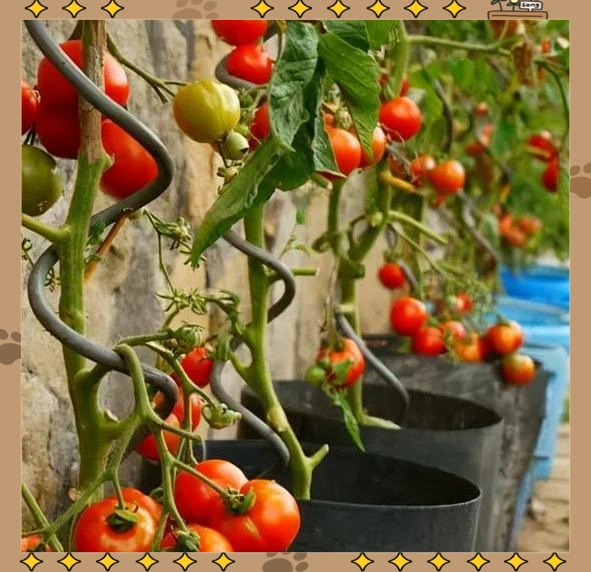
People are recommended to buy their own seeds to sow, which is not only more economical, but also more diverse. However, attention needs to be paid to the purchase of seedlings, since the choice of seedlings in the market may have problems with impurity or pairing. In contrast, self-planting is more secure because tomato seeds are resilient and the breeding process is relatively simple. And then we'll give you some details about the seeding method。
Temperatures are still low in the early spring and it may take up to six months for the seed to be planted directly. However, seed sprouts are usually available within a week. The following are the specific ways in which this can be done:
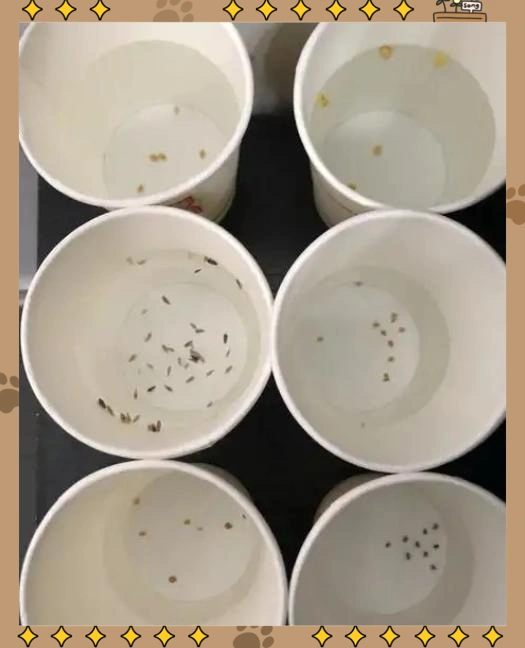
Seed impregnation
Before seeding, tomato seeds need to be immersed. This step is intended to allow the seeds to fully absorb moisture and thereby contribute to their growth. The seed is immersed in clean water for approximately 6-8 hours, during which it can be easily mixed to ensure that the seed is equally watered。
Maintain appropriate temperature and humidity
Packed seeds in plastic bags and ensure that the bags are closed to maintain the proper humidity required for the seeds. At the same time, in order to further promote seed sprouts, they can be placed in a warm environment, such as indoor proximity to the heater or heater, to ensure that the seed germinates at suitable temperatures。
In addition, the method of loading seeds into the bags of clothes and carrying them with them for seeding was suggested as a way of facilitating seed germishing quickly. Friends interested in this approach may wish to try。
Timely check seed sprouts and sow them in due course
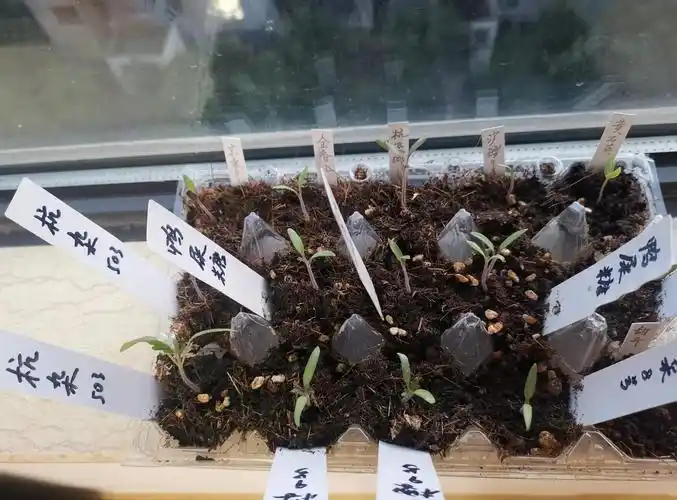
In the process of seeding, regular daily examination of seed gerontology is required. Once seeds are discovered, they should be sowed immediately to ensure their smooth growth. If the seed continues to be placed in a seedbox, its “white leg” may grow rapidly in half a day, resulting in a break-up during seeding. So, when you see the seeds white, you can start to plant them。
> 2. Post-breed seeding
When tomato seeds are observed to be white, they are immediately followed by seeding. At this point, you can start to prepare for the careful transfer of the seed that sprouts into fertile soil. Note that seeding requires appropriate humidity and temperature to ensure the smooth growth of seeds。
Once seeded tomatoes are white, they should begin planting immediately. During seeding, several key points require special attention。
Select the sowing soil to defusing air
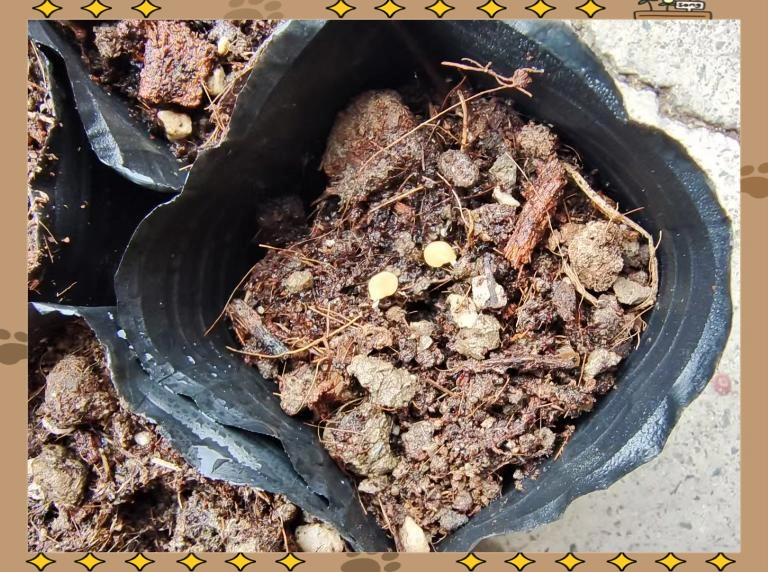
Soils designed for seedlings are recommended, which is more conducive to tomato seed growth. Without access to dedicated soil, the use of generic soil is also a good option, but it is necessary to avoid the use of adhesive soils, which can lead to soil slabing and discourage seed germ。
Select suitable nursery containers
The size of the nursery is not conducive to tomato growth. It is recommended that 50 cave plates, or a single cup, 8 cm of nutrients, be used for seed breeding and that only one seed be placed in each container. This makes it easier to manage and move seeds after they have sprouts。
You have to be careful with the seed
When seeding tomatoes, care must be taken to ensure that the seeds are intact. Breaks affect seed growth rates and, in turn, tomato growth. Therefore, planting should be done lightly to avoid unnecessary damage to seeds。
The management of this phase is equally important when seeding is completed and before the seeds are released. During this period, soil moisture needs to be maintained to ensure that seeds can successfully absorb the moisture needed to develop. At the same time, care must be taken to avoid over-watering, which could lead to the decay of seeds as a result of over-wetting。
> 3. Premium management
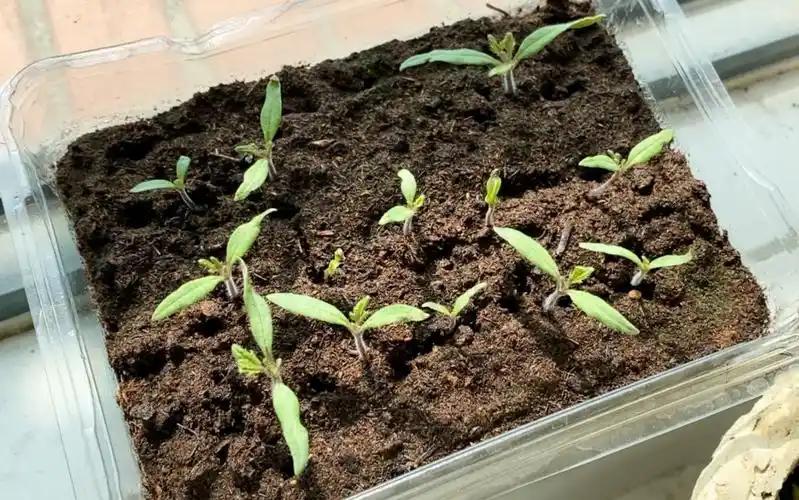
The management of seedlings of tomatoes becomes particularly important when seeds are soiled. At this point in time, we need to pay close attention to the growth of seedlings to ensure that they can grow healthy and flourish。
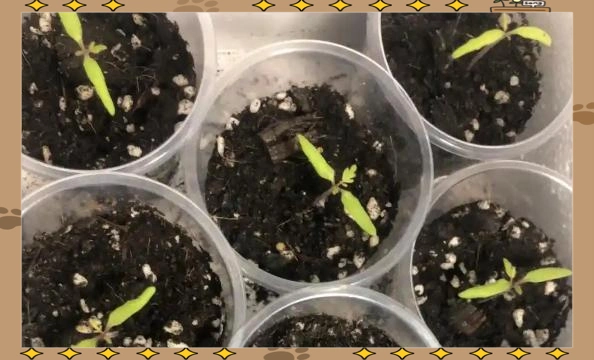
In the early springs, temperature changes are great and the sun is bright during the day, but at night it can drop sharply. As a result, after the tomato seedlings, while there is a need for detoxification during the day, it will be necessary to keep warm sooner or later. In case of cooling weather, an extra layer of membrane or used clothing is required to protect an outdoor seedling, the best option being to move to the interior。
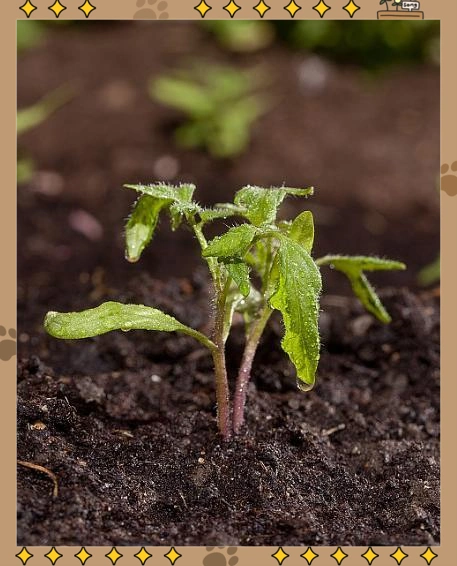
The management of seedlings is mainly based on temperature, with attention to water-water control. And when water is poured, it shall be measured in proportion to the growth of the roots. When surface soil is seen dry, water can be poured. With the growth of seedlings, when real leaves grow, the pursuit of thin potassium phosphate fertilizer can begin in order to promote the further development of the root system and the strength of the plant. It is important to note that, because tomatoes are prone to growing up, the use of nitrogen fertilizer should be reduced in the early stages, with a greater emphasis on root and backbone development。
We will provide detailed information in the follow-up articles on plant management and high-yielding techniques for tomatoes。